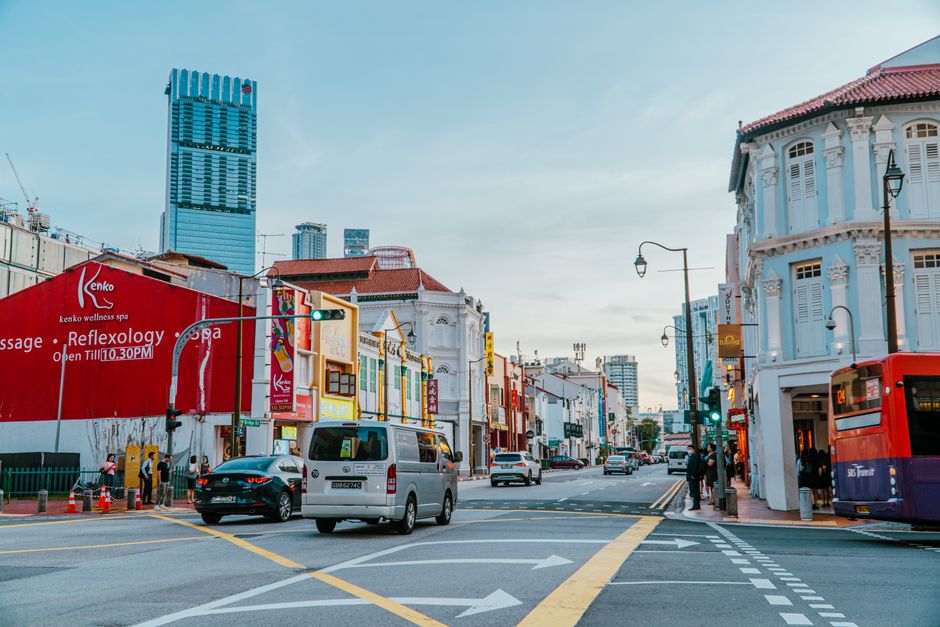
Singapore's digital infrastructure has a growing blind spot. Across public-facing government portals, HDB resale listing platforms and commercial property databases, duplicate and algorithmically recycled images have proliferated to the point where regulators and platform operators can no longer ignore the verification gap. The question now is not whether the problem exists — it does — but what the next moves look like, and who owns the decisions.
The timing matters. Singapore is positioning itself as a regional AI and data governance hub, with the Infocomm Media Development Authority's AI Verify framework already in use by companies testing their AI systems for transparency. Allowing image duplication and synthetic visual content to quietly undermine the credibility of digital records would cut directly against that positioning. The National Library Board's Digital Preservation Office and the Government Technology Agency, known as GovTech, are both understood to be reviewing internal guidelines on digital asset authenticity, though neither has announced a formal policy update as of July 2026.
This is not a trivial cosmetic issue. HDB resale flat prices crossed a median of S$600,000 island-wide in recent transaction data, meaning buyers are making six-figure commitments partly on the basis of visual representations that may be fabricated or misattributed. The Council for Estate Agencies, which licenses property agents in Singapore, has existing disclosure requirements under the Estate Agents Act, but those rules predate the current generation of AI image tools and do not specifically address synthetic or duplicate visual content.
Beyond property, the issue touches public health communications, educational materials distributed by the Ministry of Education, and heritage digitisation projects at institutions like the Asian Civilisations Museum along the Singapore River. A duplicated or misattributed archival photograph in a school textbook or a public exhibition carries its own category of harm — quieter, but corrosive to institutional credibility over time.
What the Decisions Ahead Actually Look Like
Three forks in the road are coming, likely within the next 12 months. First, GovTech must decide whether to mandate a provenance tagging standard — something akin to the Coalition for Content Provenance and Authenticity's C2PA specification — for all images published on .gov.sg domains. A pilot on a limited set of portals would be a logical first step, but it requires cross-agency coordination that has historically moved slowly in Singapore's bureaucratic structure.
Second, the Council for Estate Agencies faces pressure to update its practice circulars to explicitly require that listing photographs correspond to the actual unit being sold or rented, with agents liable for image misrepresentation under the same framework that governs misleading property descriptions. The agency last updated its key guidelines on listing accuracy in 2022.
Third, private platforms — PropertyGuru in particular, which is headquartered on Anson Road in the CBD — will need to decide whether to invest in automated image fingerprinting tools that flag duplicates before a listing goes live. Competitors in markets like South Korea and Japan have already deployed such systems. Singapore is not there yet.
For ordinary residents, the practical advice is straightforward: request a physical viewing of any property before committing to a deposit, cross-check listing photographs against Street Directory or Google Street View where exterior shots are concerned, and report suspected image misrepresentation to the Council for Estate Agencies via its online feedback portal. For the agencies and platforms, the calendar is running. The longer the verification gap stays open, the harder it becomes to close without a public failure prompting the closure.