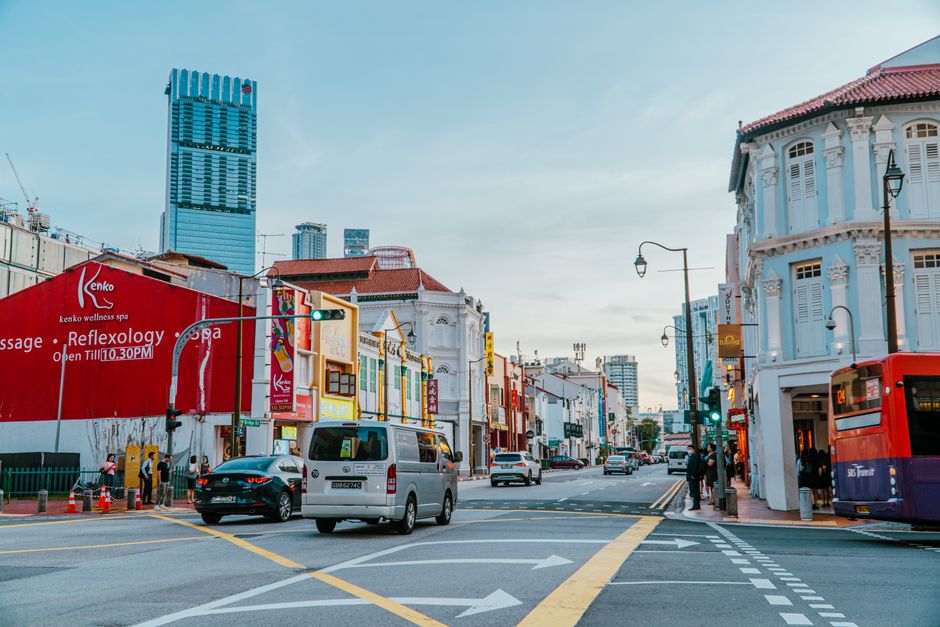
A quiet but consequential reckoning is under way across Singapore's property listing ecosystem. Duplicate images — the same photograph of a Tampines four-room HDB flat appearing across a dozen different listings, or a stock photo of Orchard Road shopfronts recycled to misrepresent a Toa Payoh retail space — have become a recognised friction point in one of the most scrutinised property markets in Asia. The question now is not whether the problem exists, but who fixes it, how fast, and at whose cost.
The timing matters. Singapore's Housing and Development Board resale flat prices rose for a fourteenth consecutive quarter in the first three months of 2026, according to HDB's own flash estimates. In that environment, every misleading image carries real financial stakes. A buyer who makes an offer based on a recycled or misattributed photograph of a unit in Queenstown or Bishan is not just inconvenienced — they may have committed tens of thousands of dollars to a decision built on false visual information.
The Platforms and Agencies Now Under Pressure
PropertyGuru and 99.co, the two dominant residential listing portals in Singapore, both operate automated moderation systems, but neither has publicly committed to a binding timeline for eliminating duplicate image entries across their databases. The Council for Estate Agencies, which licenses property agents under the Estate Agents Act, has conduct rules requiring accurate representation of properties — rules that already cover misleading photography in principle, even where enforcement has been uneven.
The more immediate pressure point is the HDB's own resale portal, which processes tens of thousands of transactions each year and sits at the centre of the public housing market. HDB has previously flagged misleading listings as a compliance issue under its framework for authorised resale procedures, but a specific policy targeting image duplication at the database level has not yet been formalised in any public-facing guidance document as of July 2026.
At the commercial end, the Urban Redevelopment Authority's REALIS platform, which tracks private residential and commercial transactions, does not host consumer-facing images — but the agencies and developers who feed listings into platforms like EdgeProp and SRX operate without a single technical standard for image authentication. That gap is where duplicate content thrives.
What the Next Few Months Must Decide
Three decisions will define how this plays out. First: whether the Council for Estate Agencies issues explicit guidance — or amends the Estate Agents (Estate Agency Work) Regulations — to make duplicate or misrepresented listing images a specific disciplinary trigger, rather than a subset of broader misrepresentation rules. Second: whether PropertyGuru and 99.co adopt a shared hashing or image-fingerprinting standard that can flag identical photographs across competing listings, a technical fix that similar portals in Hong Kong and Tokyo have piloted with measurable reductions in duplicates. Third: whether HDB's resale portal, which serves the majority of Singaporeans buying their first home, builds image-verification into the submission workflow before a listing goes live — a step that would shift the burden from consumers to the system itself.
The practical cost is not trivial. Retrofitting image authentication across a platform the size of PropertyGuru's Singapore database, which carried well over 100,000 active listings at peak in 2025, requires engineering investment that smaller agencies cannot absorb independently. An industry-wide mandate without accompanying technical support could push smaller estate agencies operating out of offices in Jurong East or Bedok toward non-compliance simply by default.
For buyers and renters navigating the market right now, the advice from consumer advocacy groups such as the Consumers Association of Singapore has been consistent: cross-reference listing images against Google Street View where possible, request live video walkthroughs before committing to viewings, and report suspicious listings directly to CEA using its online complaints portal. None of that is a structural fix. It is, at best, a workaround while the institutions that govern this market decide whether to move. The decisions are coming. The question is whether they arrive before the next round of price data does.