A quiet but consequential problem is building inside Singapore's digital infrastructure. Duplicate images — identical or near-identical photographs circulating across multiple platforms with conflicting ownership records, wrong metadata, or no attribution at all — are clogging government databases, creating legal headaches for media companies, and exposing ordinary consumers to misinformation. The question now is not whether Singapore needs a coordinated response, but what shape that response will take and who will be held responsible when things go wrong.
The timing matters. Singapore is mid-stride through its Smart Nation 2.0 push, with the Infocomm Media Development Authority overseeing a sweeping expansion of AI-powered content tools across both public-sector agencies and private platforms. The more images that flow through automated pipelines, the more duplicates propagate — and the harder it becomes to untangle which version of an image is authentic, licensed, or safe to publish. With the government's Digital Connectivity Blueprint already committed to making Singapore a regional data hub by 2030, the infrastructure for managing image provenance needs to be settled soon, or the problem compounds.
What the Duplication Crisis Actually Looks Like on the Ground
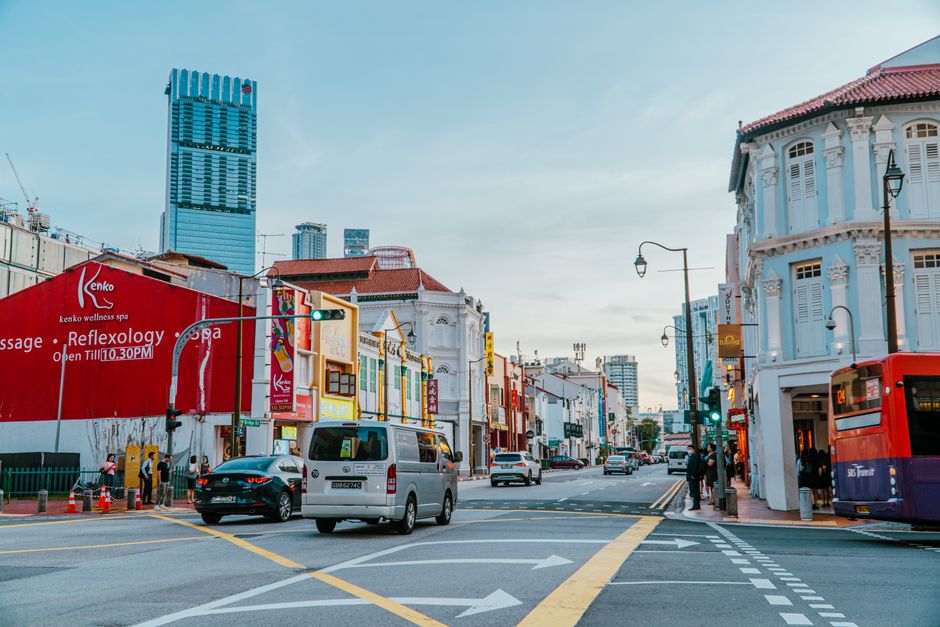
The practical consequences show up in specific places. At the National Library Board's digital archive at Victoria Street, librarians have flagged recurring instances where historical photographs of sites like Chinatown's Smith Street and the old National Stadium appear in multiple entries with contradictory datestamps and photographer credits. The issue is not unique to the public sector. Media organisations operating out of one-north's Mediapolis — including broadcast and digital newsrooms — face similar friction when licensing images through international wire services, because the same photograph can arrive via multiple feeds tagged with different rights restrictions.
The Intellectual Property Office of Singapore, which sits under the Ministry of Law, has existing frameworks for copyright disputes, but they were not designed with AI-assisted bulk duplication in mind. A single automated publishing workflow can generate hundreds of derivative image records in minutes. Resolving each one through current dispute mechanisms is neither fast nor cheap. The fee structure for formal IP dispute mediation starts at several hundred dollars per case — a workable number for a corporation, a prohibitive one for a freelance photographer or small news outlet trying to recover a misattributed credit.
Meanwhile, platforms operating under the Electronics Industry Solution Centre's digital content accreditation pilot, which launched its expanded phase in early 2025, are trialling metadata watermarking as a first line of defence. The technology embeds provenance data directly into image files so duplication events leave a traceable trail. Early results from the pilot, which involves a cohort of local media and e-commerce partners, suggest the approach reduces unresolved duplication incidents — but it only works if every platform in the chain adopts the same standard, and that coordination has not yet happened.
The Decisions That Cannot Wait Much Longer
Three choices are now pressing. First, the IMDA needs to decide whether the metadata watermarking standard piloted under the accreditation scheme becomes mandatory for platforms above a certain traffic threshold, or whether it stays voluntary. Voluntary adoption historically produces uneven uptake, which defeats the purpose of a provenance trail.
Second, there is a liability question. When a duplicated image causes reputational or commercial harm — a misidentified person, a wrongly attributed photograph used in advertising — who is responsible? The platform that republished it, the AI tool that generated the duplicate record, or the original uploader? Singapore's Personal Data Protection Act covers certain data misuse scenarios, but image-specific liability in AI pipelines remains a grey zone that the Ministry of Digital Development and Information has not yet formally addressed.
Third, the government must determine whether redress mechanisms need to be faster and cheaper for individual creators. A streamlined small-claims-style track for image attribution disputes, potentially administered through the Community Mediation Centre, would lower the barrier for freelancers and small publishers who currently absorb the cost of duplicate image errors rather than fight them.
None of these decisions are technically complex. They are politically and financially complex — questions of who bears the cost of better standards. The longer those questions go unanswered, the more the duplicate image backlog grows inside the very databases that Singapore's AI ambitions depend on.