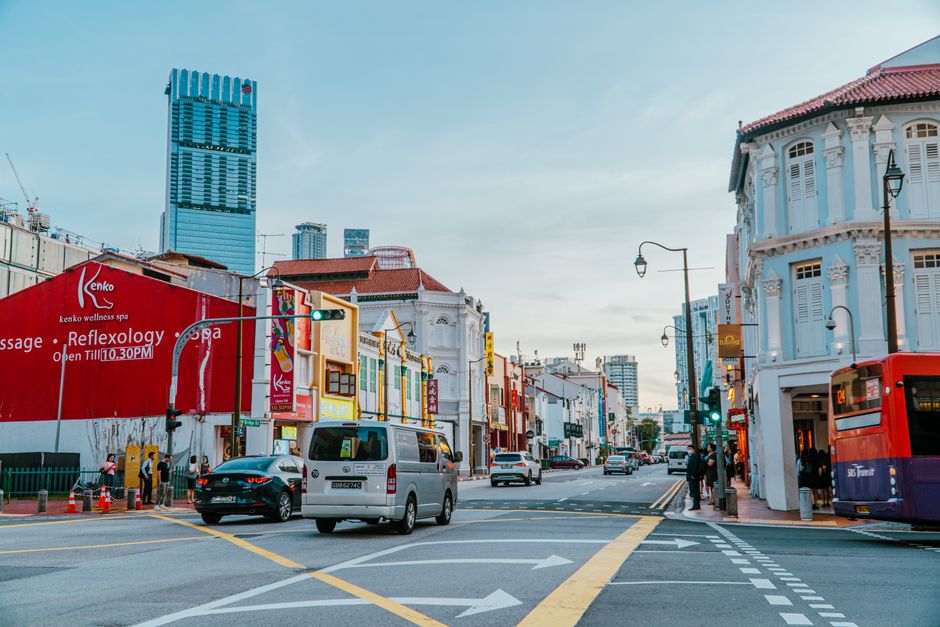
Singapore's Infocomm Media Development Authority flagged a measurable spike in duplicate image complaints across licensed digital platforms in the first quarter of 2026, pushing the issue from a background technical nuisance to a front-page regulatory concern. The problem is not unique to this island — cities from London to Seoul are wrestling with the same digital clutter — but Singapore's density of e-commerce, public housing listings and AI-generated content has made the situation sharper here than almost anywhere else in the region.
The stakes are higher than they look. Duplicate images distort search results, inflate property listing databases, and undermine the credibility of official government portals. With Singapore positioning itself as a regional AI hub — the government committed S$1 billion to its National AI Strategy 2.0, launched in December 2023 — the integrity of image data underpins everything from smart city planning to the training datasets that local startups are building commercial products on. Junk data in, junk intelligence out.
What Singapore Is Actually Doing
The Housing and Development Board, which manages more than 1 million flats across estates from Tampines to Buona Vista, introduced automated image deduplication checks on its HDB Resale Portal in January 2026. Sellers submitting flat photographs are now screened against a hash-matching database before listings go live, blocking images that have been copied from other listings or pulled from stock photo libraries. The system, developed in partnership with GovTech, reportedly cut duplicate listing images by roughly a third within two months of launch, according to internal figures GovTech presented at a March 2026 public sector technology briefing.
The Consumers Association of Singapore has separately been tracking duplicate product images on local e-commerce platforms, particularly on Shopee and Lazada storefronts operated out of the Mapletree Business City cluster in Pasir Panjang. When the same image appears under dozens of different seller accounts at different prices, consumers lose the ability to make accurate comparisons. The association issued guidance in April 2026 urging platforms to adopt perceptual hashing standards — a technique that detects near-identical images even when they have been slightly cropped or colour-shifted.
Compare that with how other cities are approaching this. Seoul's Korea Communications Commission introduced mandatory deduplication audits for major online marketplaces in 2025, imposing fines of up to 3 percent of local revenue for platforms that fail quarterly thresholds. London's Competition and Markets Authority has raised duplicate imagery as a misleading practices concern under the UK's Digital Markets Act framework, but enforcement actions remain slow. Tokyo has relied largely on platform self-regulation, which critics there say has produced uneven results. Singapore sits somewhere between Seoul's harder regulatory line and London's deliberate pace — moving faster than most Western cities but not yet matching the financial penalties that South Korea has built into statute.
The AI Wrinkle
The complication nobody had fully priced in two years ago is generative AI. Tools widely available since 2023 allow sellers, property agents and even government contractors to produce near-infinite variations of a single base image — changing lighting, backgrounds and object placement just enough to evade simple hash checks. The IMDA acknowledged this challenge in its Digital Content Regulation Review published in February 2026, noting that traditional deduplication tools catch pixel-level copies but struggle with semantically identical images that have been synthetically varied.
GovTech is piloting a deeper computer-vision layer that analyses image content rather than just pixel fingerprints, testing it first on the OneService municipal feedback app, where duplicate pothole and drain reports submitted with recycled photographs have long skewed resource allocation data in towns like Ang Mo Kio and Sengkang.
For ordinary Singaporeans, the practical advice is straightforward. When buying or renting through any digital portal, reverse-image-search any listing photograph before committing to a viewing appointment — it takes under thirty seconds and frequently surfaces whether an image has been lifted from another listing or a stock library. For businesses operating on local platforms, adopting IMDA's voluntary content authenticity guidelines before they become mandatory is a safer path than waiting for enforcement. The regulatory window for self-correction is open, but given how fast Seoul moved from guidelines to fines, it may not stay open long.