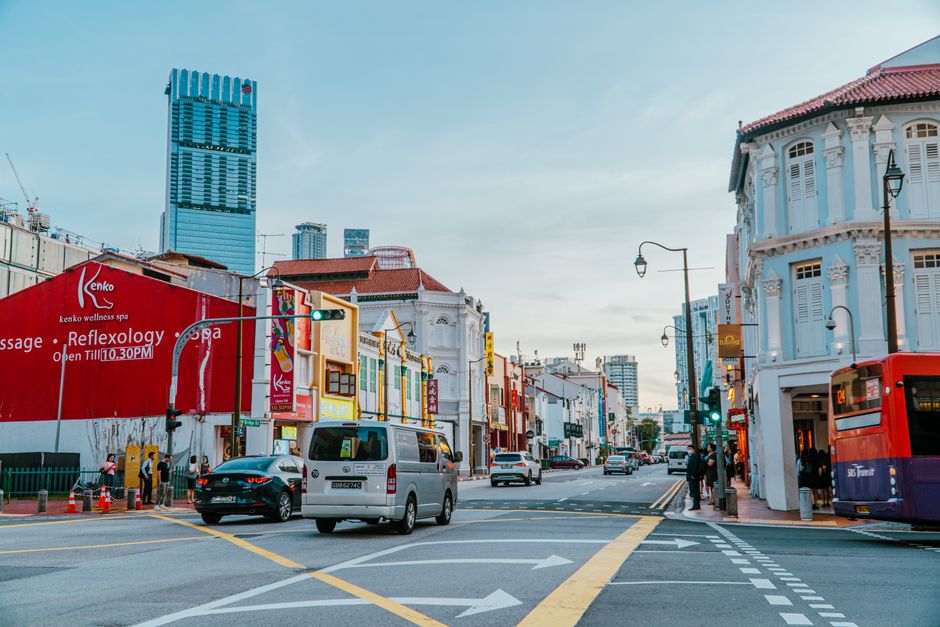
Thousands of property listings, government-linked digital records and community notice boards across Singapore carry the same photographs recycled across multiple entries — a problem that housing researchers and consumer advocates say is no longer a minor inconvenience but a genuine threat to informed decision-making for flat buyers and renters navigating one of the world's most expensive property markets.
The issue surfaces most visibly on the HDB Flat Portal, the primary government platform through which Singaporeans browse resale and Build-To-Order units. Duplicate images — the same interior shot attached to different unit listings in Tampines, Toa Payoh or Bukit Merah — mislead prospective buyers about the actual condition of a flat they may be bidding on. In a market where resale HDB flats in mature estates regularly transact above S$700,000, the stakes of a misinformed decision are significant.
Why the Problem Has Worsened in 2026
The proliferation of duplicate images tracks closely with the explosive growth of third-party property aggregator platforms, which pull listings from multiple sources simultaneously. Sites like PropertyGuru and 99.co, both headquartered in Singapore, aggregate tens of thousands of listings at any given time. When sellers or agents upload the same set of photographs to several platforms at once, deduplication systems — where they exist at all — frequently fail to catch matches across different listing IDs or property categories. The result is that a buyer searching for a four-room flat in Woodlands may encounter the identical kitchen photograph appearing under three different addresses.
The Consumers Association of Singapore (CASE) logged a rise in property-related image misrepresentation complaints in its 2025 annual report, noting that disputes over whether advertised property conditions matched actual unit states had grown to become one of its top five housing complaint categories. The Council for Estate Agencies (CEA), which licenses and regulates property agents in Singapore, maintains a Public Register that is meant to provide a single source of truth for agent credentials and transaction records — but does not currently cross-check photographic content across listings for duplication.
For residents in ageing HDB towns like Queenstown and Kallang, where en-bloc redevelopment discussions are active and flat values shift quickly, an inaccurate or duplicated listing image can mean the difference between a well-priced offer and a costly overpayment. The Urban Redevelopment Authority's (URA) Real Estate Information System, known as REALIS, provides transactional data but does not surface image-level metadata that would flag duplicates to end users.
What Residents and Buyers Can Do Right Now
Consumer advocates recommend a straightforward checklist before committing to any viewing or offer. Buyers should reverse-image-search every photograph in a listing using Google Images or TinEye — a process that takes under two minutes per photo and can instantly reveal whether the image appears on dozens of other unrelated listings. The CEA's Salesperson Public Register allows anyone to verify an agent's licence number before engaging them; cross-referencing the agent's listed past transactions against the images they are currently using can surface patterns of recycled photography.
The HDB itself advises buyers to request a physical flat inspection before exercising any Option to Purchase, a step that remains the single most reliable safeguard against image misrepresentation. For rental seekers in tighter budget brackets — rooms in Jurong East and Sembawang have been advertised at S$900 to S$1,100 per month through mid-2026 — in-person viewings before any deposit payment are especially critical given that duplicate images in rental listings are even harder to police than in sales listings.
Technology offers a longer-term fix. The Smart Nation and Digital Government Office (SNDGO) has been pushing for greater data integrity across government-linked digital services since its Digital Government Blueprint update in 2023. Advocates say the logical next step is mandating image-hash verification — a standard tool that assigns a unique digital fingerprint to each photograph — across all government-linked property platforms by a fixed deadline. Until that standard is in force, the burden of verification falls squarely on buyers and renters themselves.