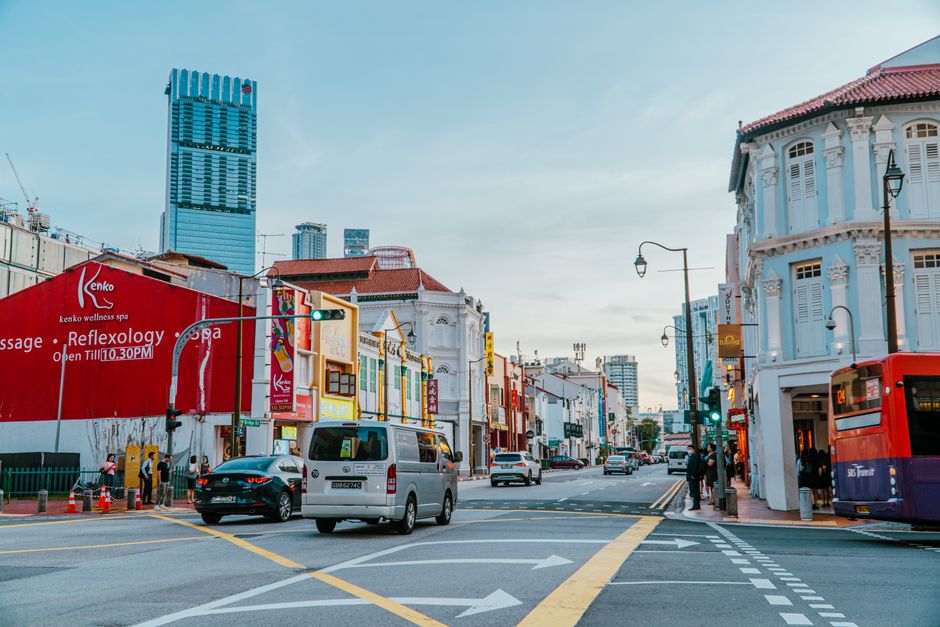
Wong Mei Ling had lived in her Tampines Street 86 flat for 22 years when she decided to sell. She uploaded a dozen photographs of the interior — including a shot of her family gathered around the dining table for Chinese New Year — to a property listing site. Two weeks later, a friend sent her a screenshot. The family portrait was gone. In its place sat a generic stock image of an unfamiliar living room.
Wong is not alone. Across Singapore's hyperactive resale HDB market, homeowners and their agents are reporting a pattern that has quietly unsettled the property listing ecosystem: original photographs uploaded to major portals are being replaced, cropped, or displaced by duplicate or stock images, sometimes before the listing has even attracted its first viewing request.
Why This Is Surfacing Now
The timing is not coincidental. Singapore's resale HDB market hit a record median cash-over-valuation figure of S$80,000 for four-room flats in mature estates during the first quarter of 2026, according to data published by the Housing and Development Board. Competition among sellers to present the most compelling listing is fierce, and platform algorithms that auto-optimise images for click-through rates have created an environment where original uploads can be demoted, compressed, or swapped out entirely by backend image-management systems.
PropertyGuru and 99.co — Singapore's two dominant residential listing platforms — both use automated image-processing pipelines to standardise photographs for display across desktop and mobile formats. Neither has publicly confirmed whether their systems can substitute a user-uploaded image with a catalogued stock alternative, but community feedback threads on the HardwareZone forums and the r/askSingapore subreddit have accumulated dozens of similar complaints since January 2026.
A Queenstown resident who listed her three-room flat on Stirling Road in March described discovering that a photograph of her recently renovated kitchen — which she says was a key selling point — had been replaced by an image that appeared to belong to a different property entirely. She raised the issue with her property agent from ERA Realty, who escalated the complaint. The listing was corrected within 48 hours, but by then the flat had already been live for nine days with the wrong image visible to prospective buyers.
The Cost of a Wrong Image
For sellers, the stakes extend beyond aesthetics. A flat in Bishan Street 22 sat on the market for six weeks before its owner realised that the primary thumbnail image shown in search results was a stock photograph of a beige, carpeted interior — nothing like the parquet flooring and open-concept layout she had paid a renovation contractor in Ang Mo Kio S$34,000 to install in 2024. She believes the mismatch cost her at least two serious enquiries.
The consumer protection dimension is also real. Under the Estate Agents Act administered by the Council for Estate Agencies, property advertisements must not be false or misleading. Whether an algorithmically substituted image constitutes a misleading advertisement under that framework has not, to date, been tested in any formal disciplinary proceeding that CEA has made public.
Agents at Huttons Asia and OrangeTee & Tie have reportedly begun advising clients to watermark original photographs with unit block numbers before uploading — a workaround that forces any substitution to become visually obvious. Some sellers are also keeping timestamped local copies of every image submitted to listing portals.
Homeowners who suspect their listing images have been altered should take a dated screenshot immediately and file a written complaint directly with the portal's agent support team, citing the specific listing ID number. If the platform does not respond within five business days, a formal feedback submission to CEA — which oversees licensed estate agents but also receives complaints about listings — creates a paper trail. The agency's office is at Maxwell Road. For those whose sales may have been materially affected, the Small Claims Tribunals, which handle disputes up to S$20,000, are an option worth discussing with a lawyer before pursuing.