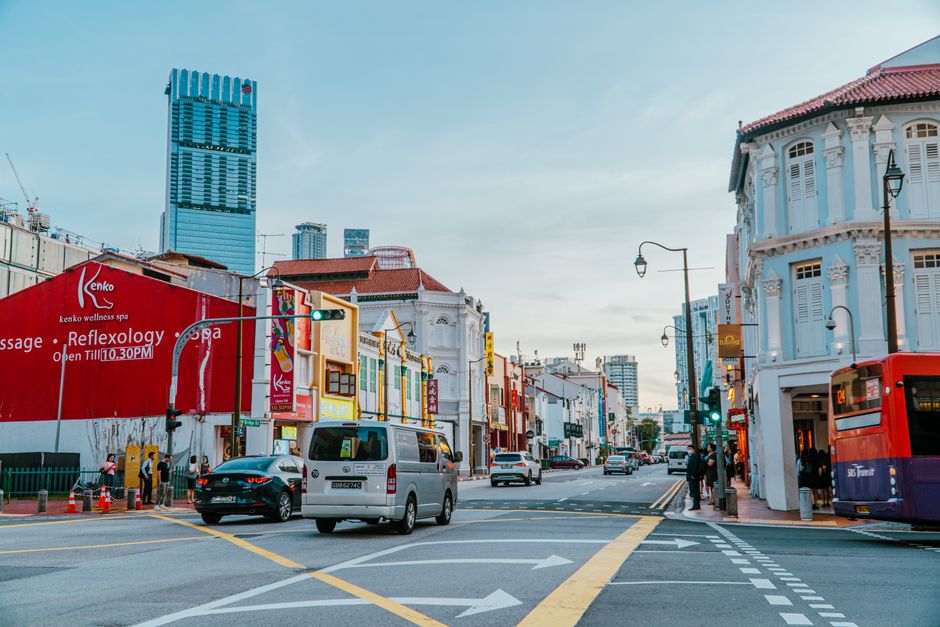
They noticed it in different ways. A Toa Payoh mother searching for her daughter's school portrait found the same image selling skincare on a Chinese e-commerce platform. A freelance photographer based in Bugis discovered his HDB estate shots, taken for a local architecture blog, had been scraped and reposted across dozens of sites with new metadata attached. A retiree in Tampines found a family photograph — taken at a void deck during a relative's funeral — repurposed as stock imagery.
The problem of duplicate image replication, once considered a fringe concern of professional photographers, has moved squarely into everyday Singaporean life. The trigger is largely technological: the rapid expansion of AI-driven image scraping tools and reverse-image aggregation services has made the mass reproduction of personal and professional photographs cheaper and faster than at any point in the internet's history. For many residents here, 2025 was the year they first encountered it. By mid-2026, it has become a recurring complaint in community forums, HDB town council feedback sessions, and the inboxes of digital rights advocacy groups.
A problem without a clear address
Singapore does not have a standalone image rights law. The Personal Data Protection Act 2012, administered by the Personal Data Protection Commission, covers the handling of personal data, and photographs of identifiable individuals can fall under its scope. But enforcement is complex when the infringing platforms are hosted overseas. The Intellectual Property Office of Singapore handles copyright complaints, and photographs taken by Singaporeans are automatically protected under the Copyright Act 2021, which was overhauled and came into force on 21 November 2021. What residents consistently say, however, is that knowing their rights exist and being able to exercise them are two very different things.
Community members who spoke generally about their experiences — gathered through online forums including HardwareZone and the r/singapore subreddit, as well as a public feedback session held by the Digital Access Society at *SCAPE along Orchard Road in May 2026 — described a process of reporting and waiting. Platforms require counter-notices. Response times stretch across weeks. Several said they filed takedown requests to Google's copyright removal tool and received automated responses pointing back to the original hosting site, which itself was unresponsive.
One recurring theme was the particular vulnerability of images posted to neighbourhood Facebook groups — closed communities serving areas like Bedok North, Jurong West, and Sembawang — where residents share photos of lost pets, renovation work, and community events without considering that group privacy settings do not prevent scraping by third-party tools operating before a group closes or changes settings.
What residents are actually doing about it
Practical responses vary widely. Some have stopped posting photographs to social media entirely. Others have adopted watermarking, using tools such as Adobe Lightroom's export watermark function or the free online service Watermarkly. A number of residents who attended the *SCAPE session said they had begun using reverse image searches — through Google Images or TinEye — on a monthly basis to monitor their own photographs, a practice that felt alien a year ago but now feels routine.
The Digital Access Society, a Singapore-based non-profit that runs digital literacy workshops across community centres including Geylang Serai Community Club and Woodlands Civic Centre, has incorporated a module on image rights into its standard curriculum for 2026. The organisation's sessions are typically attended by residents aged 45 and above, though organisers have noted growing attendance from younger parents concerned about photos of their children.
The PDPC published updated guidance on images and personal data in March 2025, clarifying that organisations which use scraped images of identifiable individuals for commercial purposes without consent may be in breach of the PDPA's data protection obligations. For private individuals whose photos are taken without commercial intent, the legal pathway remains less defined.
For those discovering their images have been duplicated, the most immediate step remains filing a copyright takedown notice under the Digital Millennium Copyright Act with the hosting platform — even for Singaporeans, this US-derived mechanism is the most widely recognised removal pathway. Keeping the original file with intact metadata, including the date and device stamp, is the clearest proof of authorship. The IPOS website lists Singapore-specific guidance at ipos.gov.sg, and the PDPC's Personal Data Protection Guide for Individuals is available at pdpc.gov.sg.