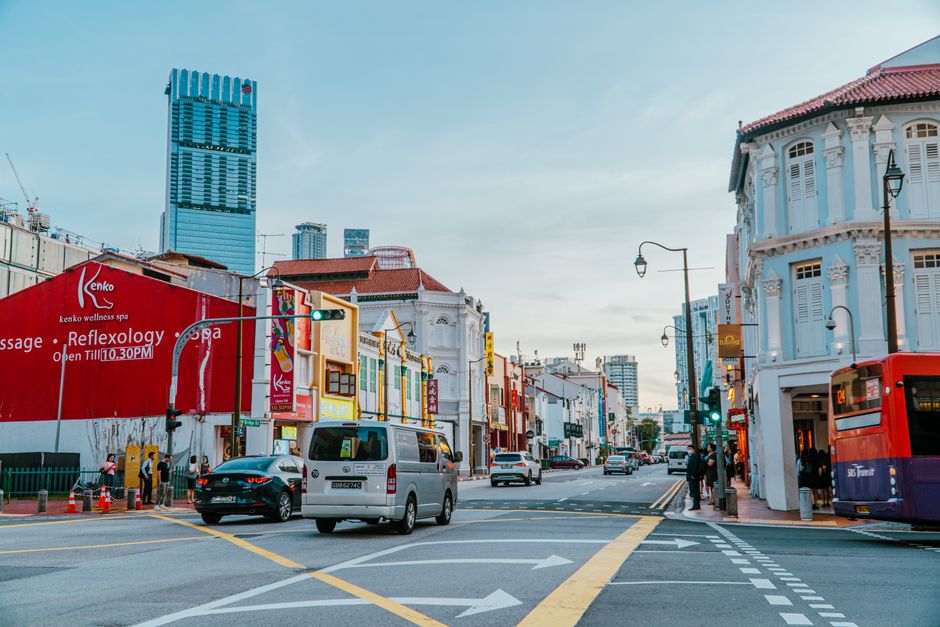
Singapore's property platforms are sitting on a problem that has quietly grown for years: duplicate and reused images appearing across multiple listings, in some cases misrepresenting units that no longer exist in their photographed form or never matched the photos at all. The Council for Estate Agencies (CEA), which licenses the roughly 32,000 property salespersons active in Singapore as of mid-2026, confirmed in June that it is reviewing guidelines on digital listing integrity, including how platforms handle image verification.
The issue matters now because the volume of transactions is too large to ignore. HDB resale flat prices rose 9.6 percent in 2025, pushing median five-room flat prices in mature estates like Bishan and Queenstown past $800,000. At those values, a buyer making decisions partly on listing photographs carries real financial risk if those images are pulled from an earlier sale, a show flat, or an entirely different unit. PropertyGuru, which dominates the Singapore market with more than 30,000 active residential listings at any given time, has said it is piloting automated duplicate-image detection across its platform. 99.co has implemented similar back-end screening. Neither has disclosed the scale of what that screening is finding.
What the Technology Can and Cannot Do
Reverse-image search and perceptual hashing — the dominant tools for catching recycled photos — are effective when images are used without modification. The problem becomes harder when salespersons crop, filter, or slightly rotate a photograph before reposting it. The Infocomm Media Development Authority (IMDA) has been working with local AI developers under its National AI Strategy 2.0 framework, launched in late 2023, to build more robust content-authentication pipelines. Some of that work is now filtering into commercial property technology applications built at Mapletree Business City and the one-north cluster in Buona Vista, where several proptech startups are based.
HDB's own resale portal, through which buyers and sellers transact directly for public housing, does not currently require salesperson-uploaded images to be verified against any central database. HDB declined to comment on a timeline for any such requirement. That gap matters because HDB resale transactions numbered 26,735 in 2025 — a significant portion of the market where listing photos remain a primary decision-making tool for buyers who may never visit a flat before placing an Option to Purchase.
The Decisions That Will Shape What Comes Next
Three specific choices now sit with regulators and platform operators. First, CEA must decide whether to make image authentication a licensing condition — meaning salespersons who post duplicate images could face disciplinary action rather than just platform removal. Second, PropertyGuru and 99.co must decide how transparent to be about detection results: publishing aggregate data on how many listings were pulled for image violations would create accountability but also expose the scale of a problem that reflects on their own moderation records. Third, HDB must decide whether to integrate with any shared image registry that private platforms develop, or to build its own.
For buyers, the practical guidance from consumer advocacy group CASE — the Consumers Association of Singapore — remains unchanged: request a physical viewing before signing any document, and cross-check listing images against street-level views on Google Maps and the URA Space portal, which carries floor plan records for private developments. For HDB flats, buyers can request the actual flat photograph history through the resale portal's transaction records, which show the date and sale price but not listing images from prior transactions.
The CEA is expected to publish revised listing guidelines before the end of the third quarter of 2026. Whether those guidelines carry enforcement teeth, or remain advisory, will tell the market a great deal about how seriously Singapore's property ecosystem treats the integrity of its digital storefronts.