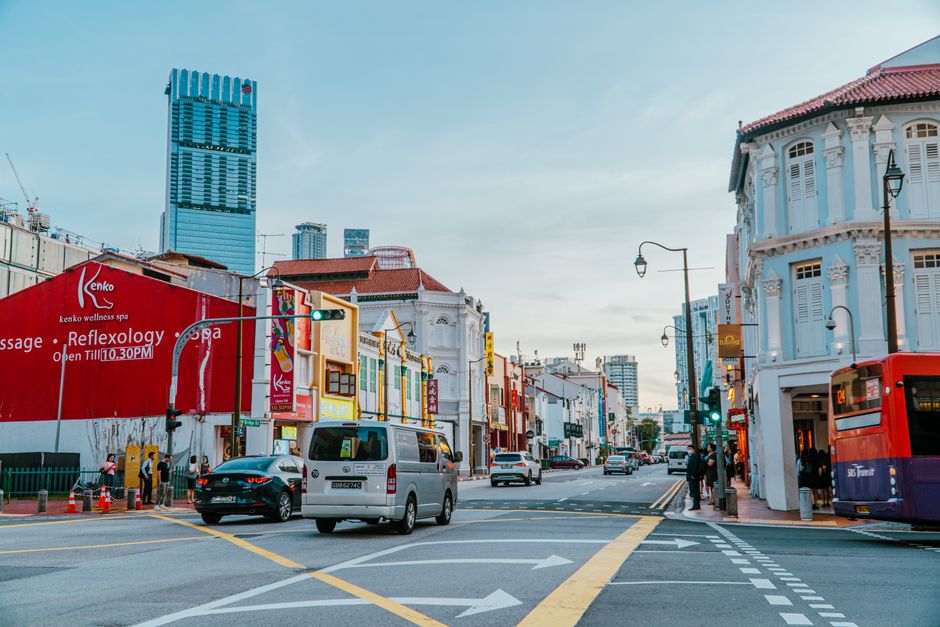
Housing hunters in Toa Payoh and Tampines are running into the same problem: they spend evenings clicking through property listings online, only to find the same flat photographed from different angles, posted under multiple agents at different prices, or illustrated with stock images bearing no resemblance to the actual unit. The issue is not cosmetic. Duplicate and replacement images in property listings inflate apparent supply, muddy price signals, and waste the time of buyers already stretched thin in one of the world's most expensive housing markets.
The Council for Estate Agencies (CEA), which regulates Singapore's property industry, has in recent years tightened its Professional Practice Guidelines to address misleading listings. But enforcement remains patchy, and the rise of AI-generated interior renders — sometimes swapped in to replace blurry or unflattering originals — has added a new dimension to the problem that existing rules were not designed to catch. With HDB resale flat prices rising for much of the post-pandemic period, the stakes for ordinary buyers getting accurate visual information have never been higher.
Why Doctored and Duplicated Images Distort Real Decisions
A three-room HDB flat in Bukit Merah listed with professionally staged renders looks nothing like a unit that has not been renovated since 2004. When buyers eventually tour the property — sometimes after travelling across the island from Punggol or Woodlands — the gap between expectation and reality can be wide enough to collapse a deal. Estate agents who spoke generally to industry observers have described the practice as widespread on platforms including PropertyGuru and 99.co, Singapore's two dominant property search sites.
The broader harm is structural. When duplicate listings artificially inflate the visible inventory on a platform, buyers may incorrectly conclude the market is softer than it is, delaying decisions. Sellers, meanwhile, may accept lower bids based on skewed comparable data. For a resale HDB market where the median price of a five-room flat in mature estates like Queenstown crossed S$900,000 in 2024, misinformation embedded in listing images is not a trivial inconvenience.
CEA's guidelines require that all marketing materials, including photographs, accurately represent the property being sold. Using images from a different unit — even in the same block on the same street — is a breach. The CEA can and does impose fines and suspension orders on agents found in violation, though the regulator has not published aggregate enforcement figures specifically broken down by image-related breaches.
What Platforms and Residents Can Do Right Now
PropertyGuru introduced a verified listing badge scheme in 2022 intended to signal that an agent had confirmed the accuracy of a listing's core details. The scheme does not, however, extend to automated image verification. Technology to cross-check whether a listing photograph matches the registered address — using metadata, geolocation tags, or reverse-image detection — exists in commercial form but has not been mandated by any Singapore regulatory body as of July 2026.
Community impact is sharpest in estates undergoing rapid turnover. In Bidadari, where Housing Board flats under the Alkaff Oasis and Woodleigh Hillside projects have entered the resale market in volume over the past two years, buyers navigating listings for relatively unfamiliar blocks are especially vulnerable to image substitution. Without a prior visit or a trusted network in the neighbourhood, they have little independent basis to spot discrepancies.
Residents and buyers have practical options available now. The SingPass-linked HDB Flat Portal, launched in 2023, displays official flat details and layout types that can be cross-checked against listing photos. The CEA's public register allows buyers to verify whether an agent is licensed and whether any disciplinary record exists. Complaints about misleading listings can be filed directly with CEA through its online feedback portal at cea.gov.sg.
The harder fix requires platform-level action. Mandating EXIF metadata retention, prohibiting AI-generated renders without explicit labelling, and building automated duplicate-detection into listing submission workflows would each reduce the problem materially. Whether CEA moves to formalise these requirements in its next guidelines review — scheduled for consultation later in 2026 — will determine whether Singapore's property search experience finally catches up with the accuracy its buyers deserve.