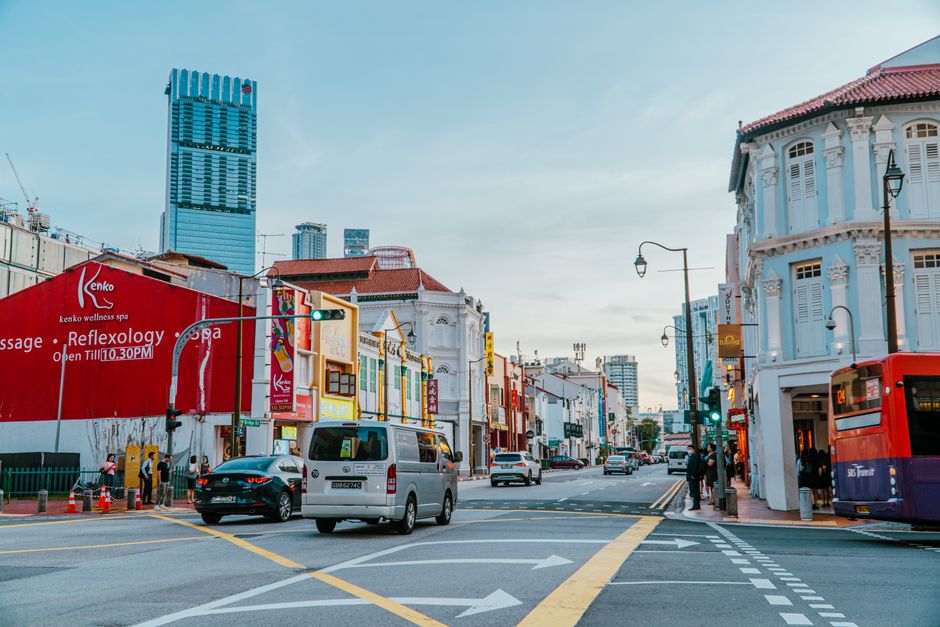
Singapore's authorities and platform operators are confronting a problem years in the making: the mass circulation of duplicate, manipulated and AI-generated images used to spread misinformation across local digital channels. The Infocomm Media Development Authority confirmed earlier this year that image-based falsehoods now account for a growing share of the cases it monitors under the Protection from Online Falsehoods and Manipulation Act, known as POFMA, which has been in force since October 2019.
The timing matters. With Singapore positioning itself as a regional AI hub — anchored by investments at one-north in Buona Vista and the expansion of data centre capacity in Jurong — the country faces a contradictory pressure. The same generative AI tools that power its economic ambitions have made convincing duplicate and synthetic images cheaper and faster to produce than at any previous point. What once required a graphic design studio can now be done on a mobile phone in under a minute.
A Problem That Predates AI
The roots of the duplicate-image problem in Singapore go back at least a decade, well before large language models or image generators entered the mainstream. Community groups and hawker centre operators first flagged the issue around 2014, when old photographs of food stalls — some taken years apart, some from entirely different locations — were being recycled on social media to falsely attribute food poisoning incidents or hygiene violations. The Singapore Food Agency's predecessor, the Agri-Food and Veterinary Authority, handled a string of such cases between 2015 and 2018.
The situation escalated during the COVID-19 pandemic. Between 2020 and 2022, the Ministry of Health issued more than a dozen POFMA correction directions tied to images — including doctored screenshots of purported hospital queue data and recycled photographs from overseas ICUs presented as scenes from Singapore General Hospital on Outram Road. None of those directions led to criminal charges, but they established a pattern that regulators have since cited when making the case for stronger platform accountability.
The National Library Board's S.U.R.E. (Source, Understand, Research, Evaluate) programme, running since 2013, has trained tens of thousands of Singaporeans in basic media literacy, including how to perform reverse image searches. Despite that effort, the volume of flagged cases continued to climb. In its 2024 Digital News Report findings for Singapore, the Reuters Institute at Oxford recorded that more than half of respondents here said they were worried about their ability to tell real images from fake ones — one of the higher rates among the 47 countries surveyed that year.
What Changes Now
The Online Safety Act, which took effect in phases from early 2024, gave the IMDA new powers to compel platforms to remove or label harmful content, including manipulated imagery, within tighter timeframes than POFMA alone allowed. Meta's operations in Singapore, run out of its Asia-Pacific headquarters at Marina One in the Marina Bay district, and Google's regional office at Mapletree Business City in Pasir Panjang are both subject to those obligations as designated social media services.
The government's Digital Connectivity Blueprint, released in June 2023, had already flagged synthetic media authentication as a national infrastructure priority. Work is underway at the Smart Nation Group within the Prime Minister's Office to evaluate content provenance standards — technical watermarking frameworks that would allow platforms and users to verify an image's origin before it spreads.
For ordinary residents, the practical guidance from the IMDA remains consistent: use Google Reverse Image Search or TinEye before sharing photographs tied to news claims, check whether the S.U.R.E. programme's resources at the National Library on Victoria Street address your specific question, and report suspicious content through the SGSecure app. Platforms are legally required to acknowledge such reports within 24 hours under current Online Safety Act provisions.
The legislative architecture is now largely in place. The harder question — whether enforcement keeps pace with the speed at which AI image tools are improving — will define the next chapter of this fight.