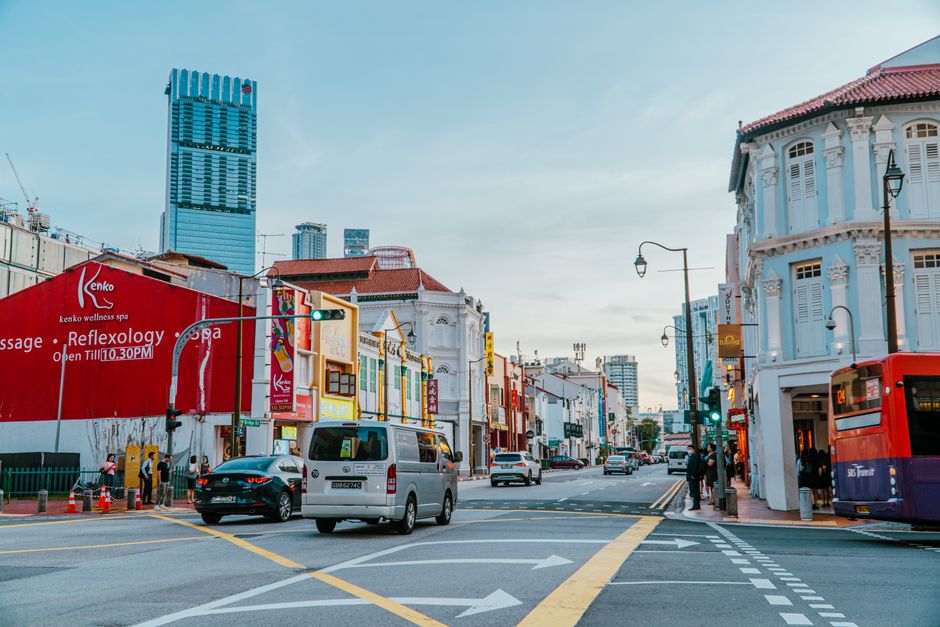
Singapore's housing and urban planning agencies are facing a decision point that has been building quietly for months. Duplicate images — the same photographs appearing across multiple HDB flat listings, Urban Redevelopment Authority property records, and OneMap portal entries — have been flagged in growing numbers by PropTech firms using automated image-recognition tools. The issue touches everything from the integrity of property valuations to the accuracy of resale flat listings on the HDB Resale Portal, which processed more than 27,000 transactions in 2024 alone.
The problem matters now because Singapore is deepening its push to become a data-clean smart city. The Smart Nation and Digital Government Office has made interoperability and data quality cornerstones of its 2025–2030 Digital Government Blueprint. Duplicate or misattributed images sitting inside public-facing databases are not a cosmetic flaw — they undermine automated valuation models, confuse buyers comparing flats in Tampines versus Tengah, and create legal grey areas around misrepresentation in property transactions.
Where the Duplicates Are Showing Up
The concentration of problem records is highest in older estate listings. Blocks in Toa Payoh and Queenstown — estates with decades of resale history and multiple rounds of renovation — show the densest overlap, according to PropTech operators who have spoken publicly at industry forums hosted by the Singapore Business Federation. A single photograph of a three-room kitchen in Toa Payoh Central has reportedly appeared tagged to at least four different unit addresses at different points in the HDB Resale Portal's history. The Council for Estate Agencies, which licenses property agents, has existing guidelines requiring agents to submit accurate listing photographs, but enforcement has historically relied on complaint-driven reports rather than systematic scanning.
The National Library Board's ArchivesSG platform and the Singapore Land Authority's INLIS cadastral system face a parallel but distinct version of the challenge: scanned heritage documents and land parcel maps that were digitised in multiple batches now contain duplicate image files, inflating storage costs and slowing down public search tools. The SLA has not publicly quantified the scale, but storage costs for government digital repositories have risen sharply alongside data volumes that the Infocomm Media Development Authority pegged at double-digit annual growth in its 2024 Digital Economy Report.
What Happens Next
Three decisions will define the next 12 months. First, HDB must determine whether it mandates a portal-wide deduplication audit — a technically straightforward but politically sensitive move, since any correction to historical listings touches valuations that buyers used to make million-dollar decisions. A four-room flat in Queenstown currently lists at around S$750,000 to S$900,000 on the resale market; even the perception that past listings were inaccurate could prompt retrospective disputes.
Second, the Council for Estate Agencies faces a call on whether to tighten listing-photo verification requirements before submission, essentially shifting the compliance burden onto the roughly 32,000 licensed salespersons operating in Singapore. Industry groups are lobbying for a phased approach, arguing that small agencies in Geylang and Bedok North lack the technical infrastructure for automated image checks.
Third — and perhaps most consequential — is whether the Smart Nation and Digital Government Office will require all statutory boards to adopt a shared image-fingerprinting standard by a fixed date. If it does, agencies including the Building and Construction Authority and JTC Corporation, which manages industrial estate listings across Jurong and Tuas, would need to retrofit existing content management systems within a procurement cycle that typically runs 18 to 24 months.
For homeowners and buyers, the practical advice is straightforward: cross-check listing photographs against in-person viewings and request that agents confirm image provenance in writing before signing any Option to Purchase. The Consumers Association of Singapore has a standing advisory on property transaction documentation that covers this. Buyers in high-turnover estates like Sengkang and Punggol, where new MOP-cleared flats flood the resale market in waves, are most exposed to listings that recycle photographs from previous transactions in the same block. The fix exists. The timeline is the fight.