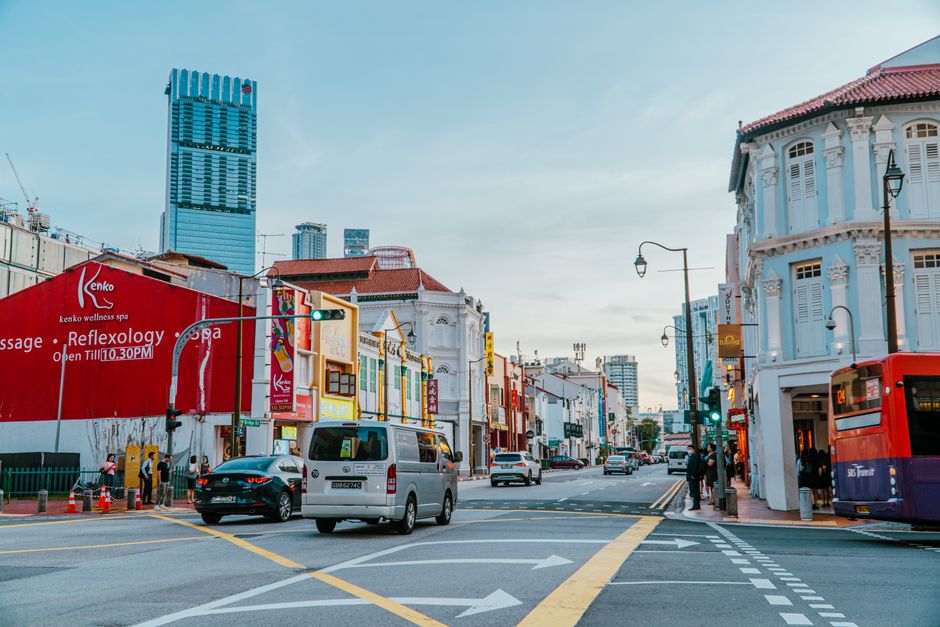
A Toa Payoh flat listed on two separate portals at different prices, using identical photographs taken three years apart. A Jurong East condominium unit shown with furniture that no longer exists. These are not edge cases — property agents and consumer advocates say duplicated and recycled listing images have become a persistent problem on Singapore's major real estate platforms, and the fallout lands squarely on residents trying to rent or buy in one of the world's most expensive housing markets.
The timing matters. Resale HDB flat prices hit a record median of S$578,000 in the first quarter of 2026, according to HDB's quarterly flash data. Rental demand remains elevated after the post-pandemic supply crunch of 2022 and 2023. Every wasted viewing, every misleading photograph, every duplicated listing adds friction to a market where a single month's delay can cost a prospective tenant an extra S$300 to S$500 in rent as prices tick upward. Duplicate images — whether lifted from old listings, copied across platforms without disclosure, or reused from previous tenancies — distort the decision-making process before a buyer or renter even steps through the door.
What Duplicate Images Actually Cost Residents
The mechanics are straightforward and the damage is real. An agent re-uploads photographs from a unit's previous tenancy cycle, when it was freshly painted and furnished. The current unit is not. A buyer shows up to a Clementi Avenue 3 address expecting a renovated kitchen; they find laminate peeling at the edges. The viewing is wasted. The agent's time is wasted. The buyer, who may have taken half a day's leave from an office in the Central Business District, goes home no closer to a purchase decision.
Consumer Association of Singapore (CASE) has documented complaints relating to misleading property listings in prior years, and the Council for Estate Agencies (CEA) — the statutory body under the Ministry of National Development that licenses property agents — maintains a public register and handles disciplinary cases involving misrepresentation. CEA's Professional Competency Framework, updated in 2024, explicitly requires agents to ensure listing information is accurate and current. Duplicate or outdated images that misrepresent a property's condition can, in principle, constitute a breach of the framework's conduct standards. Penalties range from fines to suspension of a practitioner's licence.
PropertyGuru and 99.co, the two dominant portals serving Singapore's roughly 1.4 million HDB households alongside the private residential market, both operate image verification and deduplication systems. Neither platform has publicly disclosed the volume of flagged listings removed each quarter. What is clear is that automated systems catch some duplicates and miss others, particularly when images are slightly cropped, colour-adjusted, or re-uploaded from a different device — small manipulations that defeat basic hash-matching algorithms.
What Residents Can Do Right Now
The practical burden currently falls on the person with the least leverage: the renter or buyer. A few steps reduce exposure significantly. Running a reverse image search on Google Images or TinEye before booking a viewing takes under two minutes and can reveal whether a photo has appeared in listings going back years. Requesting a live video walkthrough — a practice that became standard during the COVID-19 circuit breaker period in 2020 and has since remained common — forces agents to show the actual current state of a unit.
Buyers using HDB's own flat listing portal, HDB Flat Portal, which was relaunched in 2023 as a direct resale transaction platform, benefit from a layer of institutional accountability that third-party portals do not provide. Sellers on the HDB Flat Portal must transact through verified HDB systems, which links listing information to official records. That does not eliminate the problem of inaccurate images, but it reduces the anonymity that makes recycled photographs easier to deploy.
CEA is expected to release updated guidelines on digital listing standards later in 2026, according to its published workplan. Residents who encounter a listing they believe uses recycled or deceptive images can file a complaint directly with CEA through its online portal or call its hotline at 1800-643-2555. Documenting the listing URL and the date of access before filing strengthens any complaint considerably.