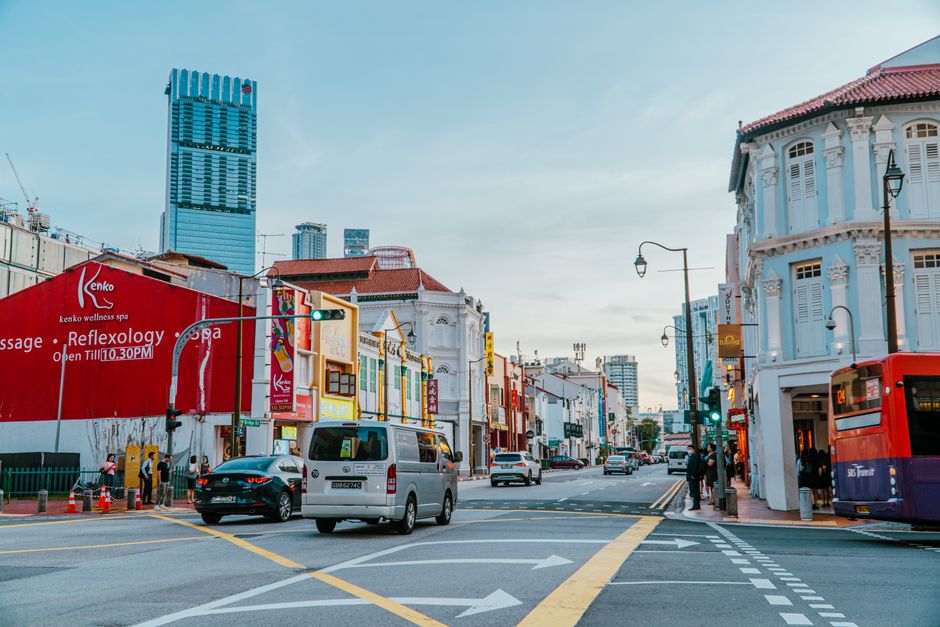
Walk into any HEC service centre or scroll through HDB's resale listing portal on a Saturday morning and the problem is hard to miss. Photographs of a four-room flat in Tampines appear identical to one listed in Clementi. A community notice pinned on the SingPost e-service board carries an image of Bishan's Block 283 when the text describes an event in Jurong West. The duplication is not accidental — it is systemic, and it is starting to affect how residents in Singapore make housing, civic and commercial decisions.
The issue has sharpened in 2026 as digital transaction volumes across Singapore's property and public service platforms have climbed sharply. The Housing and Development Board processed more than 29,000 resale flat applications in 2024, according to HDB's annual statistics release, and that pipeline has continued to grow through the first half of this year. Each application generates a cluster of photographs, floor-plan scans and location images. Without robust duplicate-detection software built into the upload flow, the same image file — sometimes pulled from old listings, sometimes copied from third-party portals like PropertyGuru or 99.co — ends up attached to entirely different units in different towns.
Why It Matters Beyond a Minor Annoyance
The stakes are higher than mismatched pictures suggest. A prospective buyer viewing a resale flat in Queenstown who bases part of their decision on photographs that actually show a renovated kitchen in Bukit Merah is making a financial commitment that could exceed S$500,000 without accurate visual information. HDB flat resale prices in mature estates averaged around S$620,000 in early 2026, according to transaction data tracked by the Urban Redevelopment Authority. That is not a sum most families can afford to gamble on a listing error.
Beyond property, duplicate and misplaced images are appearing on the OneService app — the Municipal Services Office platform that lets residents report and track neighbourhood issues — and on ActiveSG event pages tied to venues like Our Tampines Hub and the Jurong Lake Gardens recreation cluster. When the photograph accompanying a community health screening notice at Toa Payoh HDB Hub shows a different facility entirely, residents who are elderly or less digitally fluent can end up at the wrong location. Singapore's resident population aged 65 and above crossed 18 percent in 2025, a figure the National Population and Talent Division tracks closely, meaning a larger share of platform users are precisely those most vulnerable to this kind of visual misinformation.
What Residents and Agencies Can Do Now
The immediate practical step for any resident browsing a resale listing on the HDB Flat Portal is to cross-reference photographs against the street address using Google Street View or the Singapore Land Authority's OneMap, which provides georeferenced imagery updated to 2024. If the exteriors do not match, flag the listing using the portal's built-in report function before committing to a viewing fee or option exercise.
For civic platforms, the Municipal Services Office has a feedback channel at the OneService app that allows users to tag image inconsistencies directly against a case number. The Housing Board has also indicated, in parliamentary replies tabled in March 2026, that it is piloting AI-assisted image-verification tools as part of its broader Digital Services Blueprint — a program that targets full deployment across HDB's transactional platforms by the end of 2027.
The longer fix requires the agencies involved — HDB, URA, MSO and the Infocomm Media Development Authority — to align on a shared image-hash registry that flags duplicates at the point of upload rather than after a listing goes live. Several municipal platforms in Tokyo and Amsterdam have implemented similar back-end checks at relatively low infrastructure cost. Singapore, which has committed S$1 billion to its Smart Nation 2.0 initiative through 2030, has both the budget and the technical architecture to close this gap faster than the current timeline suggests. Residents should not be left doing manual cross-checks on half-million-dollar decisions.