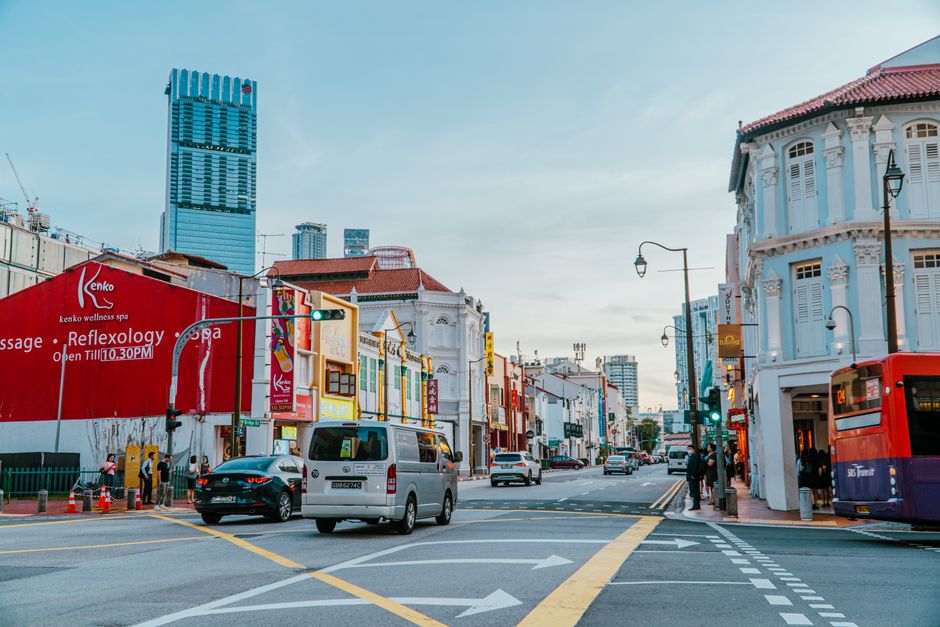
A single photograph of the wrong block facade has, in at least a handful of documented cases flagged by residents on the HDB e-Service feedback portal this year, led flat buyers to inspect the wrong unit, travel to the incorrect address and, in one case, lodge a renovation permit application against a neighbouring property. The issue is duplicate image replacement — or rather, the failure to do it properly across Singapore's dense web of public-facing digital systems.
The problem has sharpened in 2026 because the Housing and Development Board completed a major database migration in the first quarter of the year, consolidating records from the legacy HDB InfoWEB system into the newer MyHDBPage platform. Large-scale data migrations of that kind routinely orphan old image files, leaving duplicate or mismatched photographs attached to updated property records. For a city-state where more than 80 percent of the resident population lives in HDB flats — roughly 1.1 million units as of the most recent published housing data — the downstream effects of stale imagery ripple quickly into daily life.
Where the Confusion Lands Hardest
Toa Payoh Hub and Clementi Town Centre are two community nodes where the mismatch has been most visible. Both estates have seen significant block upgrading under the Home Improvement Programme in the past three years, changing facade colours, void deck layouts and letter box positions. Photographs that pre-date the upgrades remain indexed on several property listing aggregator sites that pull metadata directly from government APIs, meaning a buyer searching for a resale flat in Toa Payoh Lorong 6 may see a photograph of the block as it looked in 2021, not 2025.
The People's Association, which administers community club bookings and grassroots event notices through its ActiveSG and PA e-Services portals, has separately acknowledged that image libraries shared across its network of 108 Community Clubs sometimes contain duplicate entries generated each time a staff member re-uploads an event flyer instead of updating the existing record. The practical result: search results return multiple versions of the same flyer, with conflicting dates and venue details, for events at places like Geylang Serai Community Club or Bishan Community Club.
For older residents navigating these portals — and Singapore's resident population aged 65 and above crossed 600,000 for the first time in 2025, according to the Department of Statistics — this is not a minor inconvenience. Arriving at the wrong community club for a Silver Generation Office appointment, or submitting a form against an incorrect block number because the accompanying photograph showed the wrong building, carries real administrative cost: rebooking fees, repeated bus or MRT trips, and time lost to correction paperwork.
What Responsible Image Management Actually Requires
Digital asset management is not exotic. The Government Technology Agency, better known as GovTech, published its Digital Service Standards in 2023, which include guidelines requiring that content on government-linked portals be reviewed for accuracy at defined intervals and that superseded images be explicitly retired rather than simply hidden. The gap between that standard and current practice is what produces the duplicate problem.
The fix is procedural more than technical. Agencies need a single canonical image record per asset — per block, per community club, per notice — with version control that flags when a new photograph is uploaded so that all downstream systems pulling from that record are refreshed simultaneously. GovTech's Whole-of-Government Application Analytics platform already tracks user drop-off rates on portal pages; broken or mismatched images correlate with abandonment at the point of form submission, which is measurable and actionable data.
Residents who suspect they have been affected by a duplicate or incorrect image on an HDB or town council portal can file a correction request through the SingPass-linked MyHDBPage feedback function, or write to their relevant Town Council directly — all 17 Town Councils in Singapore maintain public email addresses for estate management queries. The more useful step is to cross-check any address or block number shown on a portal photograph against the official postal code on OneMap, the Singapore Land Authority's authoritative mapping service, before acting on it. Until agencies complete a systematic audit of their image libraries, that extra step is the most reliable safeguard residents have.