News
Singapore Platforms Tighten Rules on Duplicate Image Listings This Week
A crackdown on recycled and misleading property photos is reshaping how HDB resale flats and private units are marketed online.
4 min read
Updated 4 h ago
News
A crackdown on recycled and misleading property photos is reshaping how HDB resale flats and private units are marketed online.
4 min read
Updated 4 h ago
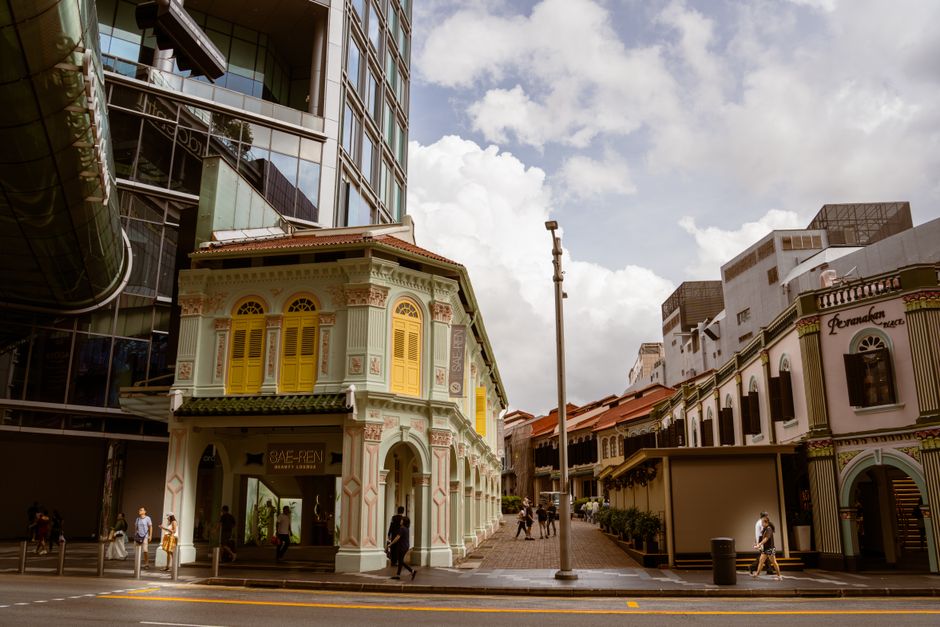
Singapore's property listing ecosystem took a concrete step this week toward cleaner, more reliable visual data, as major portals moved to enforce stricter policies against duplicate image use — the practice of reposting old or borrowed photographs to advertise units that no longer look anything like the pictures shown.
The issue has quietly frustrated buyers and renters for years, but it sharpened into focus following a series of complaints filed with the Consumer Association of Singapore (CASE) in June 2026, in which prospective tenants described arriving at Toa Payoh and Tampines HDB flats only to find conditions materially different from the listing photographs. Some images had been recycled from listings posted as far back as 2021.
PropertyGuru, which operates Singapore's largest residential property portal by active listings, updated its submission guidelines on July 1, introducing automated duplicate-image detection at the point of upload. Listings flagged by the system are placed in a pending queue before going live, giving agents 48 hours to replace recycled images with verified, time-stamped photographs. The portal has not disclosed the exact proportion of listings historically affected, but the new layer adds a concrete friction point that did not exist before July.
99.co, the other major player, confirmed in a platform notice this week that it had been running a beta version of similar image-hash detection since May 2026. Agents on 99.co's platform who repeatedly upload images already indexed in the portal's database now receive an automated warning before submission is completed. The company said it would formally extend the system site-wide by August 1.
The Council for Estate Agencies (CEA), which licenses real estate salespersons in Singapore, has for several years required agents to ensure that listing information is accurate and not misleading under the Estate Agents Act. Duplicate or outdated images fall within that obligation, though enforcement has historically depended on consumer complaints rather than proactive platform-level detection.
The timing matters. HDB resale flat prices have remained elevated through the first half of 2026, with four-room flats in mature estates like Queenstown and Bishan regularly transacting above S$700,000, according to HDB transaction data. At those price points, buyers argue they cannot afford to make decisions based on photographs that may be four or five years old — particularly in older blocks where wear and condition vary enormously from unit to unit.
Private rental prices tell a similar story. According to Urban Redevelopment Authority (URA) rental data released in April 2026, median rents for a two-bedroom condominium in the Central Region held above S$4,200 per month. Foreign professionals relocating to Singapore — a growing cohort given the city-state's push to attract tech and financial sector talent — rely heavily on online listings before committing to viewings, making accurate imagery a practical necessity rather than a courtesy.
The duplicate image problem is not unique to Singapore, but the city's compact geography and high transaction velocity make it more acute here. A unit in Jurong East can change hands or be re-tenanted within weeks, and a fresh coat of paint or a landlord renovation can render a two-year-old photograph genuinely misleading without any intent to deceive.
CASE has not yet published formal guidance specific to image accuracy in property listings, though the organisation has previously advised consumers to request live video walkthroughs or accompanied viewings before signing any tenancy agreement. For buyers of HDB resale flats, the HDB's own resale portal includes unit details but not agent-uploaded photographs, meaning the visual layer of any transaction still runs entirely through private platforms.
For anyone searching for a flat or rental unit right now, the practical advice is straightforward: check the listing date against the photograph metadata where visible, ask the agent directly when the images were taken, and request a video call or in-person visit before committing. The platforms are tightening the rules, but the consumer remains the last line of verification.

News

News
News
News
About this article
Published by The Daily Singapore
Spread the word
Daily brief
Free, in your inbox before 7am. Weekdays.
Before you go
The day's Singapore news in a 2-minute read. Free, weekday mornings.