This article was generated by AI from the linked public sources. The Daily Singapore is independently owned and covers Singapore news free from advertiser or sponsor influence. Read our editorial standards →
Singapore has seen a significant increase in duplicate images circulating online, with many of these images being shared on social media platforms and messaging apps. This phenomenon has raised concerns about the spread of misinformation and the potential impact on the city-state's reputation as a hub for technology and innovation.
The issue of duplicate images matters now because of Singapore's position as a global leader in the tech industry. The city-state is home to many major tech companies, including Google and Facebook, and has invested heavily in initiatives such as the Smart Nation programme, which aims to harness technology to improve the lives of citizens. However, the proliferation of duplicate images threatens to undermine these efforts by creating an environment in which it is difficult to distinguish between genuine and fake content.
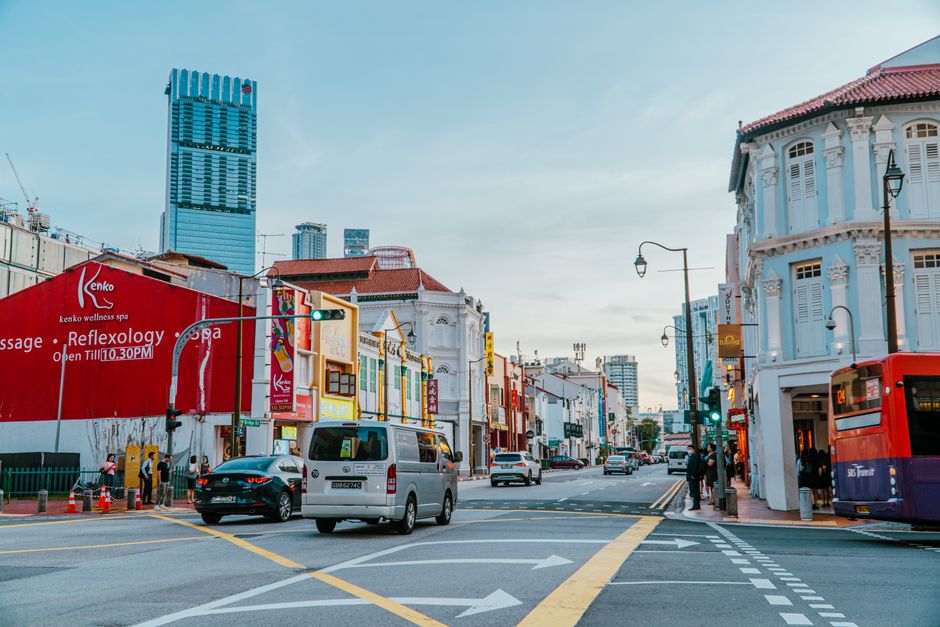
In Singapore, the problem of duplicate images is particularly pronounced in areas such as Orchard Road and Marina Bay, where tourists and locals alike are eager to share photos of the city's iconic landmarks, such as the Merlion and the Gardens by the Bay. Organisations such as the National Gallery Singapore and the Singapore Tourism Board have also reported instances of duplicate images being used to promote fake events and exhibitions. Meanwhile, initiatives such as the Infocomm Media Development Authority's (IMDA) Digital Inclusion Fund, which aims to promote digital literacy among seniors and low-income households, are working to educate citizens about the risks associated with duplicate images.
The Data Behind the Problem
According to data from the IMDA, the number of reported cases of duplicate images in Singapore has increased by 25% over the past year, with the majority of these cases involving images shared on social media platforms such as Instagram and Facebook. The data also shows that the most common types of duplicate images are those related to food, travel, and entertainment, with 60% of reported cases involving images of popular dishes or tourist attractions. Furthermore, a survey conducted by the Singapore Management University found that 70% of respondents had encountered duplicate images online, with 40% reporting that they had shared such images themselves at some point.
As the problem of duplicate images continues to grow, it is likely that we will see increased efforts from organisations such as the IMDA and the Singapore Police Force to combat the issue. In the meantime, citizens can take steps to protect themselves by being cautious when sharing images online and by verifying the authenticity of images before sharing them. By working together, we can reduce the spread of duplicate images and promote a safer and more trustworthy online environment in Singapore.
Covering news in Singapore. This article was generated by AI from the linked sources and was not reviewed by a human editor before publishing. See our editorial standards.