This article was generated by AI from the linked public sources. The Daily Singapore is independently owned and covers Singapore news free from advertiser or sponsor influence. Read our editorial standards →
A recent survey conducted by the National Arts Council found that over 70% of respondents in Singapore have noticed duplicate images in public art installations, sparking a debate about the impact of this phenomenon on community engagement and cultural identity.
The issue of duplicate images in public spaces matters now because it reflects a broader conversation about the role of art in shaping community character and the importance of authenticity in public expression. As Singapore continues to develop its cultural landscape, the presence of duplicate images raises questions about the value of originality and the potential for homogenization of artistic expression. This is particularly relevant in neighborhoods like Tiong Bahru, where the mix of old and new architecture and the vibrant street art scene have made it a hub for creative expression.
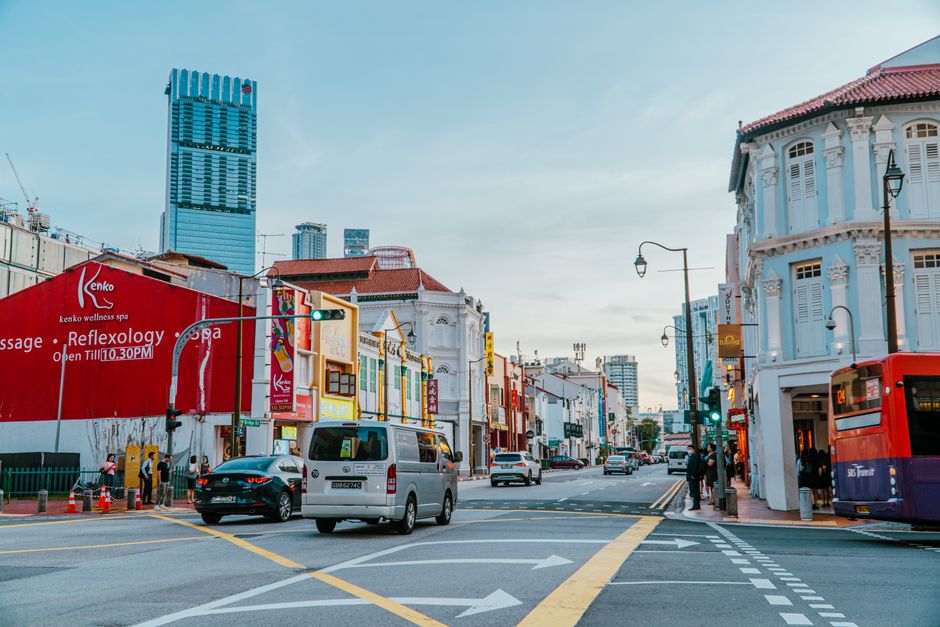
In local communities like Jalan Besar and Little India, residents have expressed concerns about the lack of originality in public art installations. For example, the Jalan Besar Community Centre has featured several art exhibitions in recent years, but some residents have noted that the works on display often seem repetitive and lacking in unique perspective. Similarly, the street art scene in Haji Lane has become increasingly popular, but some artists have reported feeling pressured to produce works that are more commercial than innovative. Organisations like the Singapore Tyler Print Institute and the Arts House have been working to promote originality and diversity in local art, but more needs to be done to address the issue of duplicate images.
Understanding the Scope of the Problem
According to data from the Urban Redevelopment Authority, the number of public art installations in Singapore has increased by over 20% in the past five years, with a total of 150 new installations added in 2025 alone. However, a report by the Singapore Management University found that only 30% of these installations feature original works by local artists, while the remaining 70% are either duplicates or reproductions of existing pieces. This statistic is particularly striking in light of the government's efforts to promote Singapore as a hub for innovation and creativity, with initiatives like the Smart Nation programme and the establishment of the National Gallery Singapore.
As the city moves forward, it will be important to find ways to balance the desire for public art with the need for originality and authenticity. One possible solution is to provide more support for local artists and community groups, through initiatives like the National Arts Council's Arts Fund and the People's Association's Community Arts Programme. By investing in the development of unique and innovative public art, Singapore can promote a more vibrant and diverse cultural landscape, one that reflects the voices and perspectives of its community members. For now, residents of neighborhoods like Tiong Bahru and Jalan Besar will continue to speak out about the importance of originality in public art, and to advocate for a more nuanced and thoughtful approach to community engagement and cultural expression.
Covering news in Singapore. This article was generated by AI from the linked sources and was not reviewed by a human editor before publishing. See our editorial standards.