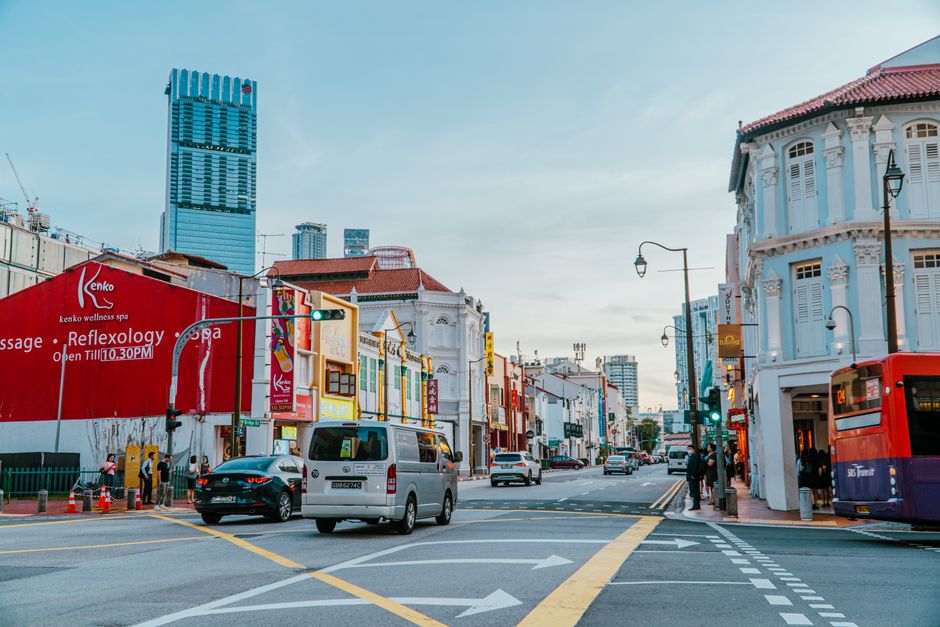
Singaporeans filing resale flat applications, checking community noticeboard listings, or browsing HDB's portal have increasingly flagged a frustrating problem: duplicate images cluttering property and public-service pages, making it harder to verify what they are actually looking at. The issue, long dismissed as a minor backend annoyance, is drawing fresh attention as Singapore pushes to become a regional AI and smart-nation hub — and as the Government Digital Services office works through a broader overhaul of public-facing digital infrastructure.
The stakes are higher than they look. When a Tampines HDB resale listing, for example, carries four copies of the same kitchen photograph and none of the bathroom, a prospective buyer cannot make a properly informed decision. Given that the median resale price for a four-room flat crossed S$600,000 in early 2026, according to HDB's published resale price index, the financial consequences of a poorly informed purchase are not trivial.
Where the Problem Shows Up in Daily Life
The duplication issue surfaces in at least three distinct settings that residents navigate regularly. First, on the HDB Flat Portal — which replaced the older resale e-application system — listings submitted by sellers can propagate the same image file multiple times if the uploader hits submit more than once on a slow connection. Second, on OneService, the Municipal Services Office's community reporting app, duplicate photos attached to the same feedback ticket can delay triage because officers must manually confirm the images are not separate incidents. Third, and less visibly, the Central Provident Fund Board's document-upload tool for housing grant applications has been flagging duplicate file submissions as potential errors, occasionally stalling approvals.
Ang Mo Kio Community Club and Bedok North's Heartbeat@Bedok community centre — both of which host digital literacy workshops for seniors — have added a short segment on image-file hygiene to their tech onboarding sessions precisely because older residents uploading documents for their CPF or SingSaver accounts kept running into rejection notices tied to duplicated files.
The problem is not unique to Singapore, but Singapore's density makes its effects more acute. With roughly 80 percent of the resident population living in HDB flats, according to the Housing Development Board's latest published statistics, the portal is not a niche tool — it is infrastructure as essential as Changi Airport's departure boards.
What the Fix Looks Like — and When It Matters
GovTech, the agency responsible for most national digital platforms, has been rolling out automated deduplication tools as part of its broader Singapore Government Tech Stack refresh. The agency has not published a completion date for full deduplication coverage across all public portals, but internal guidance circulated to municipal service offices earlier this year referenced a phased implementation running through the third quarter of 2026.
For residents, the practical advice is straightforward. Before uploading any image to an HDB, CPF, or OneService portal, rename each file with a unique identifier — a flat block number, a date stamp, or a room label — rather than accepting the default camera filename such as IMG_0047.jpg. That single habit eliminates the most common trigger for accidental duplication. Residents using the MyInfo-integrated upload pathways on Singpass are somewhat better protected because the system cross-checks file hashes before accepting a second copy of an identical image.
The broader signal for residents is this: Singapore's digital government ambitions, anchored in the 2023 Digital Connectivity Blueprint and reinforced in Budget 2026 with continued Smart Nation funding, depend on clean, reliable data at the point of entry. Duplicate images are a small symptom of a larger data-quality discipline that agencies are still building. Until that discipline is fully embedded in every public-facing tool, the burden falls partly on residents to manage their own uploads carefully — and to report anomalies through OneService or the GovTech feedback portal when they spot them. That feedback loop, unglamorous as it is, remains the fastest way to get a broken listing corrected before it costs someone a six-figure decision.