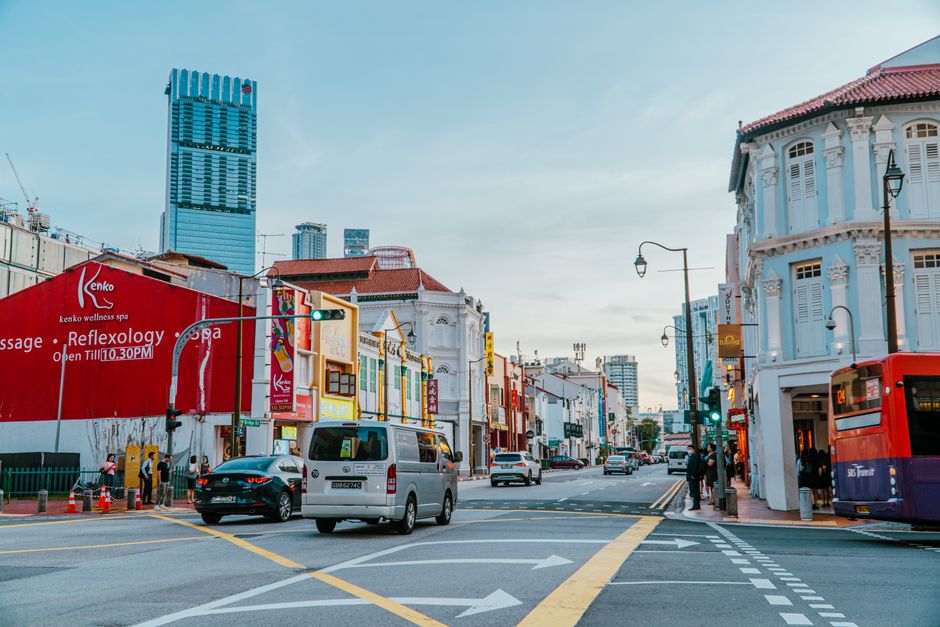
Singapore's push to become a leading AI hub has hit a quietly inconvenient snag: duplicate images embedded across government-linked databases, public housing portals and urban planning systems are degrading the quality of the very datasets the city-state is training its next generation of digital services on. The problem is not new, but a confluence of factors — accelerating HDB flat digitisation, expanded use of AI-assisted property valuation, and a national data governance review currently underway at the Smart Nation Group — has brought the issue to a head in mid-2026.
The stakes are higher than they might appear. Singapore's HDB portal, which lists tens of thousands of resale and Build-to-Order flat images across estates from Punggol to Queenstown, relies on accurate, deduplicated visual data to power its recommendation and valuation tools. When the same image appears under multiple listing IDs — a common occurrence when agents reuse stock photography or upload cached files — automated systems can misread the visual record, producing skewed comparisons and inaccurate price estimates. For buyers navigating a resale market where five-room flats in mature estates like Bishan or Toa Payoh regularly transact above S$900,000, even marginal data errors carry real financial weight.
Where the Decisions Are Being Made
The immediate policy question sits with the Government Technology Agency, or GovTech, which oversees the technical standards underpinning most public-facing digital platforms. GovTech's Data Standards and Architecture team has been working through 2025 and into 2026 on an updated framework that would mandate perceptual hashing — a technique that detects near-identical images even when file names or metadata differ — across all Whole-of-Government digital asset repositories. A decision on whether to mandate the standard, or leave it as a recommended best practice, is expected before the end of the third quarter of 2026.
The Urban Redevelopment Authority also faces a parallel choice. Its SPACE2 system, which stores planning drawings and building facade images for properties across the Central Business District and suburban growth corridors including Tengah, contains layers of historical uploads where duplicates have accumulated over more than a decade of digitisation drives. Cleaning that archive is estimated internally to require significant machine-processing time and human review, though no official figure has been publicly released. The URA has indicated through its published Digital Transformation Roadmap that data quality improvements are a priority for the 2025–2030 planning cycle.
Private platforms are caught in the same current. PropertyGuru, which operates Singapore's largest private property listings site and is headquartered at One George Street in the Raffles Place area, already uses image similarity detection to flag duplicate listings. The company's own data, published in its 2025 annual report, showed that duplicate or near-duplicate listings accounted for a non-trivial share of flagged quality issues in that year's audit cycle, though the firm did not break down the figure by image versus text duplication. How aggressively GovTech's forthcoming standard applies pressure on private platforms to align their own deduplication pipelines remains an open question.
What Happens in the Next Six Months
Three decisions will likely define the trajectory. First, GovTech's choice between mandatory and advisory standards will determine whether public agencies face hard deadlines or are left to self-regulate. Second, the HDB is expected to publish updated technical specifications for agent image uploads before the next major BTO launch cycle, likely in September 2026 — those specifications may or may not include deduplication requirements at the point of submission. Third, the Ministry of Digital Development and Information, which sits above GovTech in the policy hierarchy, is conducting a broader AI data quality review that could absorb the duplicate image question into a wider set of rules covering training datasets used by public agencies.
For everyday Singaporeans, the practical upshot is straightforward. Buyers researching flats in Sengkang or Clementi should cross-reference listing images across multiple platforms rather than relying on portal recommendations alone. And for the agencies involved, the window to set enforceable standards before AI tools become further embedded in housing, planning and urban services is narrowing. Decisions deferred now tend to become technical debt that costs considerably more to unwind later.