Singapore's rental market is entering a pivotal moment. With more than 15 new condominium projects approved or under construction across emerging precincts like Tengah and Jurong, landlords and tenants are recalibrating expectations in ways not seen since the pandemic reshaped work-from-home arrangements.
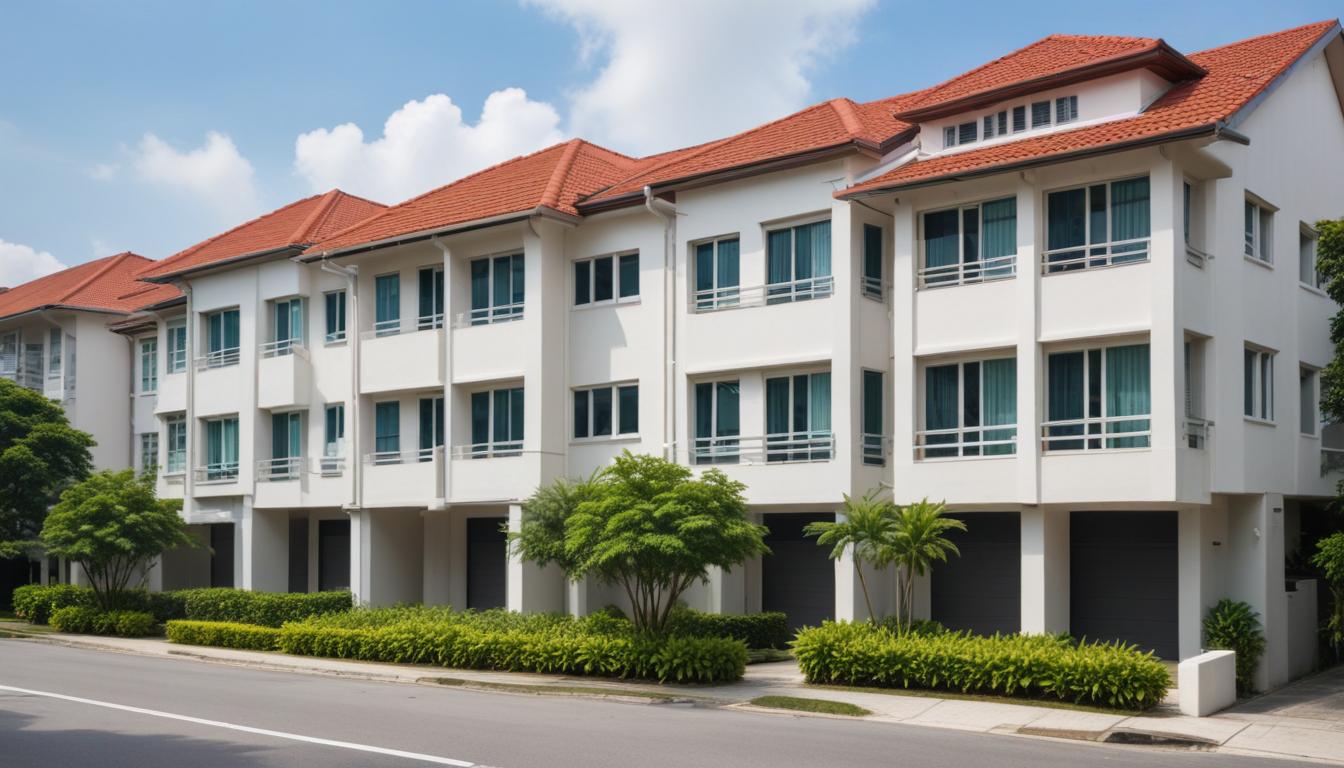
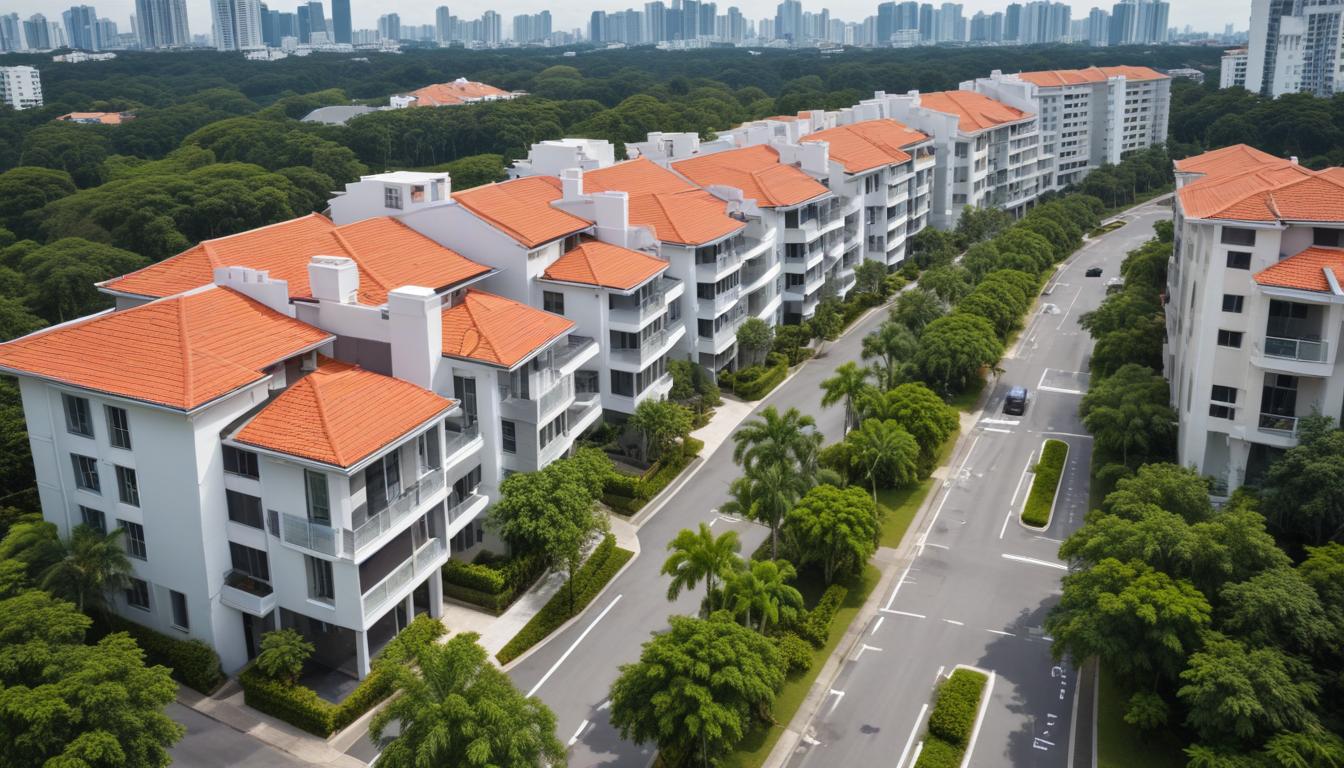
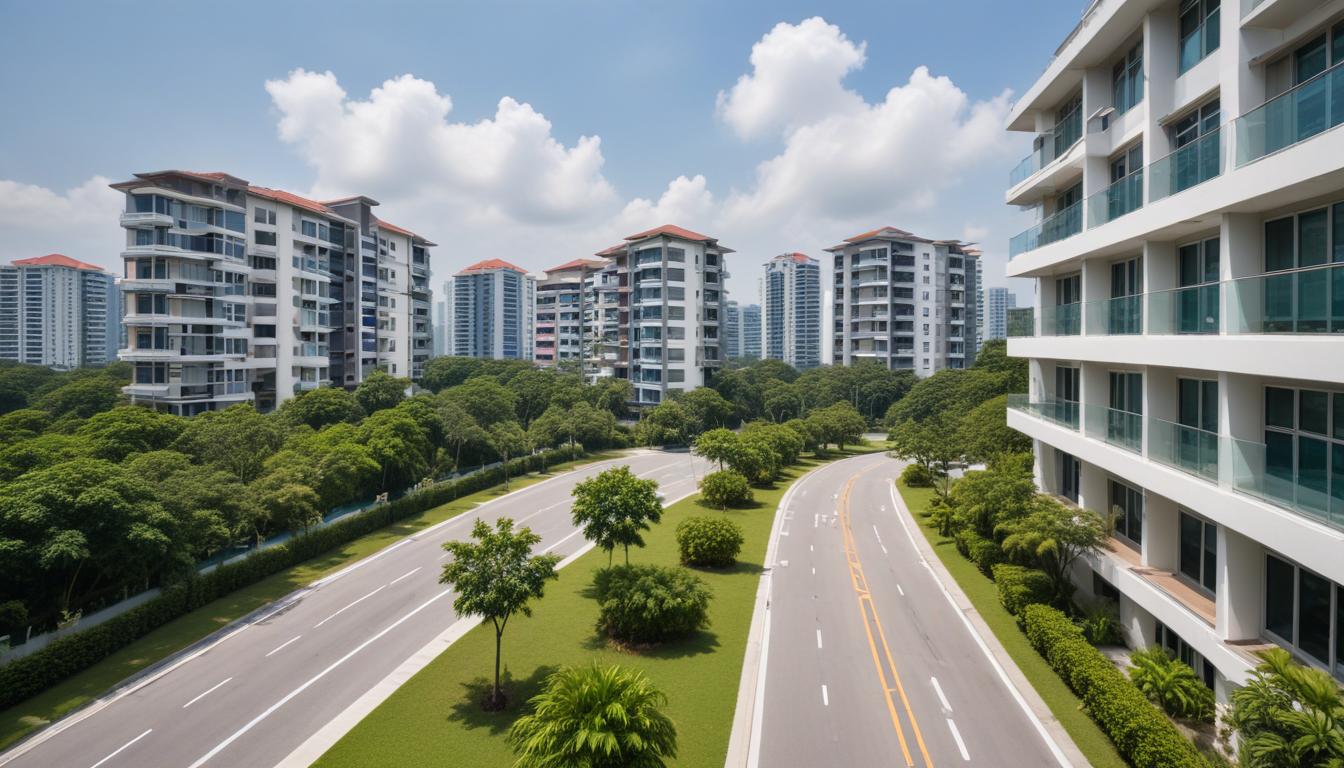
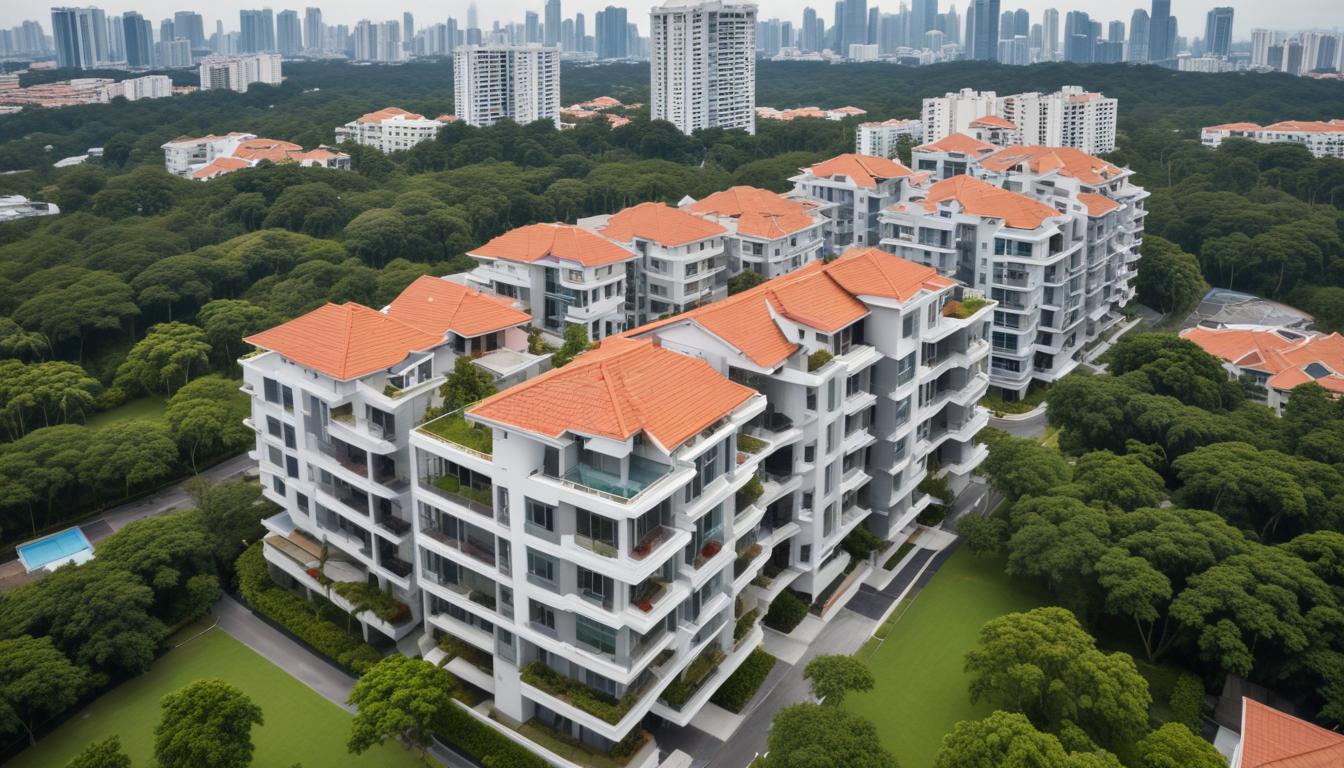
The influx of supply is fundamentally altering negotiating power. New developments such as those along Tengah Garden Walk and Jurong Lake District are attracting both upgraders and young families seeking modern amenities at comparatively accessible price points. Median rental rates in these areas have stabilised around SGD 3,500 to SGD 4,200 monthly for a three-bedroom unit—a notable contrast to established neighbourhoods like District 10, where similar units command SGD 5,500 or higher.
For landlords, the market presents a paradox. While condo resale values remain robust—the median sits near SGD 1.8 million across Singapore—rental yields have compressed. Property owners who purchased during earlier market cycles are now discovering that tenants have options. "We're seeing longer vacancy periods," says property consultancy data consistently, with some units remaining unlet for three to four months in newer estates. Landlords are increasingly absorbing furnishing costs and offering flexible lease terms to remain competitive.
Tenants, conversely, enjoy rare leverage. Young professionals relocating to Singapore or families upgrading from HDB flats are cherry-picking developments with integrated playgrounds, co-working spaces, and enhanced security features. The competitive landscape has naturally capped rental inflation, with many new projects offering locked-in rates for 12-month leases—a landlord concession nearly unthinkable two years ago.
However, not all tenants benefit equally. Those priced out of new condominiums are increasingly turning to resale HDB units and private apartments in mature estates, where landlords remain less flexible. The widening gap between rental costs in prime Districts 9, 10, and 11 versus growth areas underscores an emerging two-tier rental economy.
Urban planners and policymakers are monitoring these dynamics closely. The Housing and Development Board's push to develop Tengah and Jurong as live-work-play hubs reflects an attempt to distribute rental demand more evenly across the island, easing pressure on central locations.
For now, the approval pipeline—with projects in various stages from planning to completion—suggests this rental equilibrium will persist through 2027. Smart landlords are modernising offerings and accepting slimmer margins, while savvy tenants are relocating to newer estates where competition for their lease dollars is keenest.
This article was compiled by AI from the sources linked above and screened before publishing. See our editorial standards.