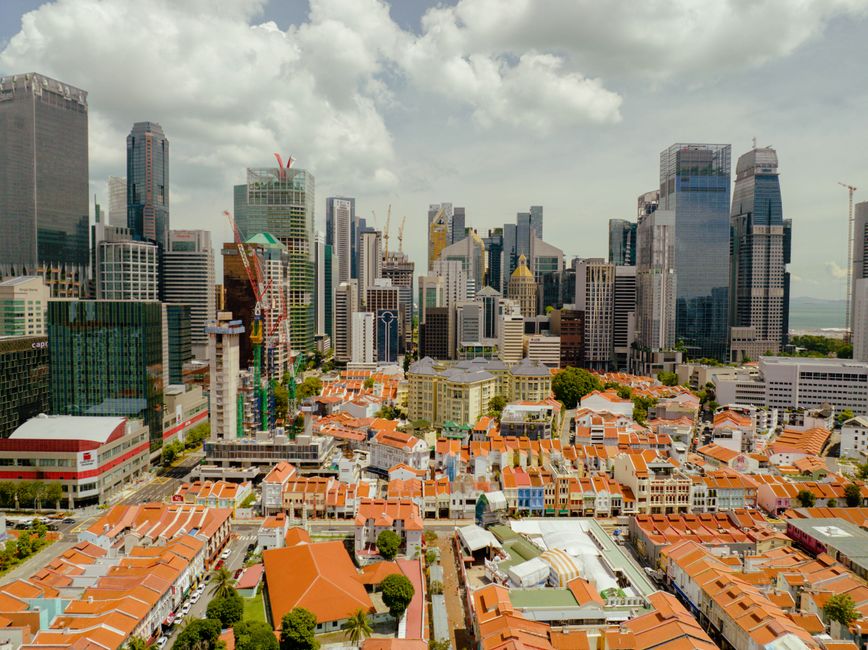
The math used to be simple: buy a condo in District 9, 10, or 11, and you're investing in Singapore's safest real estate bet. But in 2026, that equation is fracturing as regional rental markets offer renters genuine lifestyle value while buyers confront brutal entry prices in prime locations.
A two-bedroom apartment in Orchard or the Botanical Gardens corridor now commands a median asking price near $1.8 million—before stamp duties and legal fees. Monthly rents for comparable units hover around $6,500 to $8,000. For a buyer with $400,000 liquid capital, the leverage maths remain attractive. But for renters? A modest $6,800 monthly outlay suddenly looks rational when down-payment demands require half a million dollars or more.
The regional story tells a different tale. Tengah, Singapore's latest satellite new town, has emerged as a renter's darling. A two-bedroom executive condominium or Housing and Development Board-adjacent private development here rents for $4,200 to $5,100—a 30% discount versus prime central. The same unit to purchase would cost $650,000 to $850,000. For upgraders who already own HDB flats, the equity unlock is modest but achievable. For pure renters? The equation skews decisively toward renting.
Jurong, long dismissed as a bedroom suburb, is experiencing its own revaluation. New MRT connections, the upcoming Jurong Innovation District, and mixed-use developments around Jurong Lake have catalysed modest rent growth—but supply remains elastic. A three-bedroom apartment in Clementi or the Jurong East precinct typically rents for $5,500 to $6,500, versus $1.2 million to $1.5 million to own. The yield spreads here favour renters structurally.
Data from property agencies tracking transaction flows reveals the bifurcation: HDB resale activity remains robust, driven by upgraders moving from older housing estates into five-room flats or ECs in emerging towns. Condo transactions in Districts 9, 10, and 11, by contrast, have plateaued. Fewer first-time buyers are entering the market; more established owners are holding rather than trading.
The rental-versus-buy question, once primarily about life-stage and family planning, has become acutely financial. A couple aged 32 to 38 earning combined household income of $12,000 monthly now faces a genuine strategic choice: lock capital into a $1.6 million Bukit Timah apartment with 25-year mortgages, or rent a comparable quality home and invest excess capital elsewhere. Regional markets have made that second option materially viable in ways the 2015-2020 cycle never permitted.
For renters, the regional arbitrage—Tengah versus the city—now merits serious exploration.
This article was compiled by AI from the sources linked above and screened before publishing. See our editorial standards.