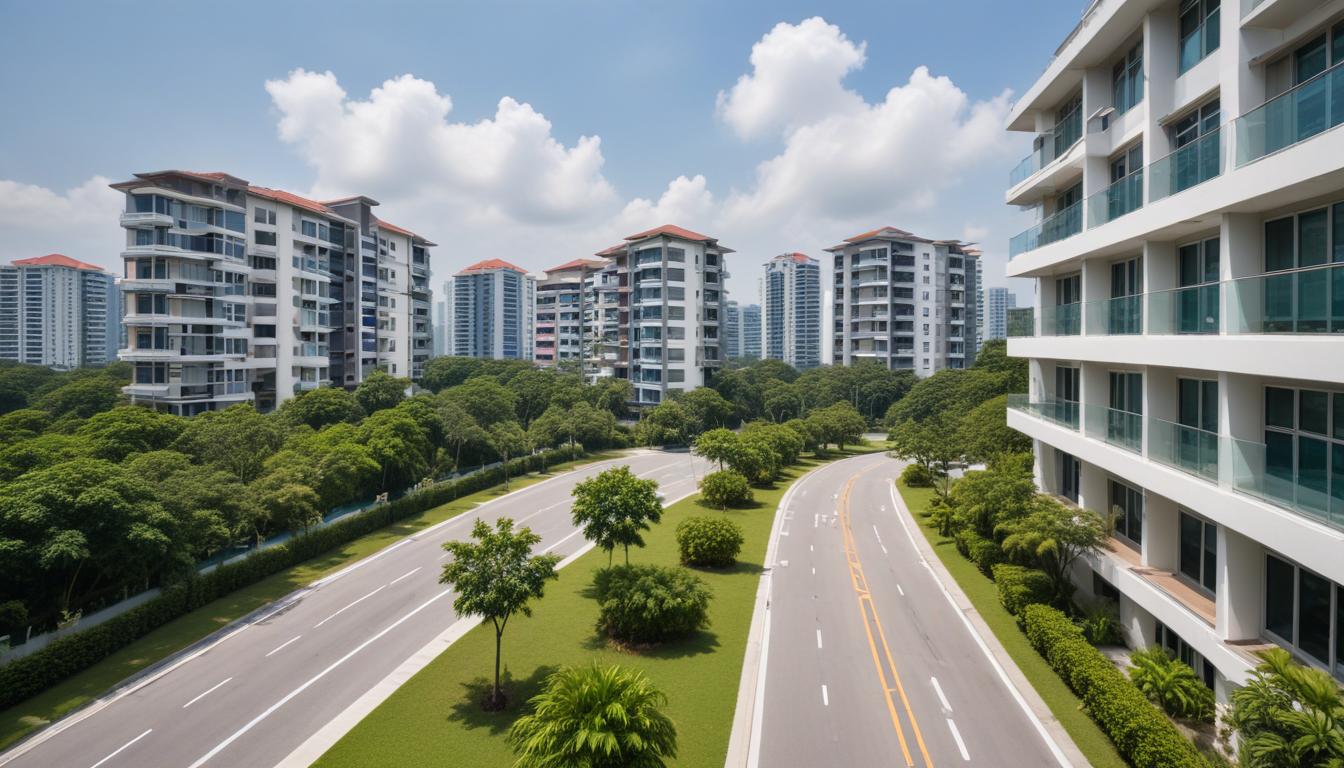
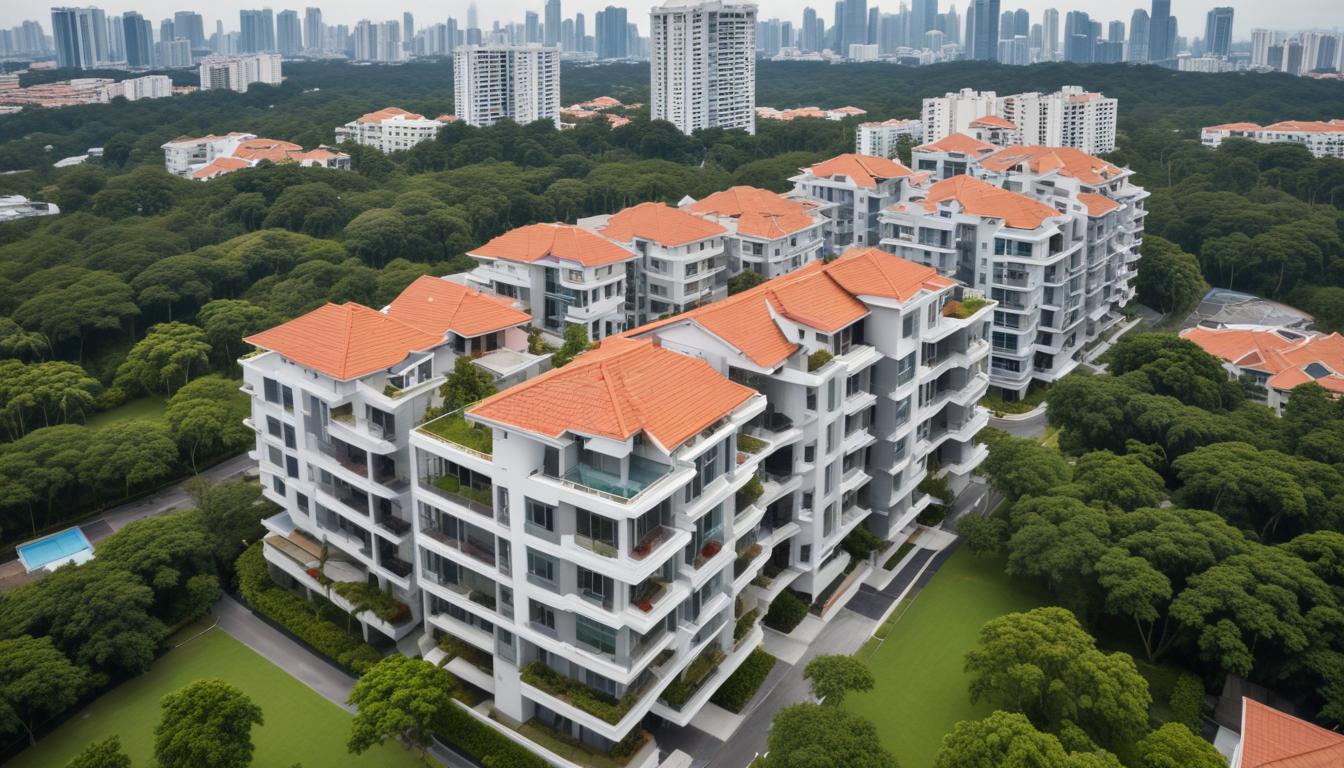
Singapore's property investment landscape has shifted. While the median condo price hovers around SGD 1.8M, first-time landlords are discovering that chasing high yields requires strategy, not just capital.
The reality: gross rental yields across prime districts have compressed to 2.5–3.5%, well below inflation. Yet pockets of opportunity remain for savvy investors willing to look beyond the obvious. Emerging precincts like Tengah and the Jurong Lake District are attracting young professionals and families, offering slightly better yield prospects than established hotspots like Orchard Road or the East Coast.
For first-time buyers considering investment, location strategy matters more than ever. Properties near MRT nodes in evolving neighbourhoods—such as around Bukit Batok or Clementi—tend to attract stable tenant pools of working professionals. The HDB resale market remains robust for budget-conscious investors, offering yields of 3–4% in well-connected areas, though securing a property requires speed and market timing.
Prospective landlords must master the fundamentals. Engage a property agent early to understand market rents in your target area. A two-bedroom unit in Districts 9–11 might command SGD 4,500–6,500 monthly; the same property near Ang Mo Kio could fetch SGD 3,200–4,000. Calculate your true yield: factor in property tax, maintenance fees (often 15–25% of rental income for condominiums), agent commissions, and potential vacancy periods of 4–6 weeks annually.
Financing is critical. Banks typically cap loan-to-value ratios at 75–80% for investment properties, meaning you'll need substantial down payment reserves. Stress-test your numbers: if interest rates rise another 0.5–1%, can you still cover mortgage payments from rental income? Many first-time landlords overlook this.
Tenant screening cannot be rushed. Request references from previous landlords, verify employment with employers, and run credit checks through official channels. Poor tenant selection costs far more than thorough vetting.
The regulatory environment has tightened. Familiarise yourself with the Housing and Development Board's guidelines on subletting, the Urban Redevelopment Authority's planning rules, and tax obligations—rental income is fully taxable under Singapore's progressive system.
Consider partnering with a reputable property management company if you're unwilling to handle maintenance calls, tenant disputes, and administrative duties. Costs typically run SGD 100–200 monthly, but peace of mind often justifies the expense.
Singapore remains a resilient investment market, but the days of effortless returns are gone. Success now demands discipline, local market knowledge, and realistic expectations about yield in a low-interest-rate era gradually shifting upward.
This article was compiled by AI from the sources linked above and screened before publishing. See our editorial standards.