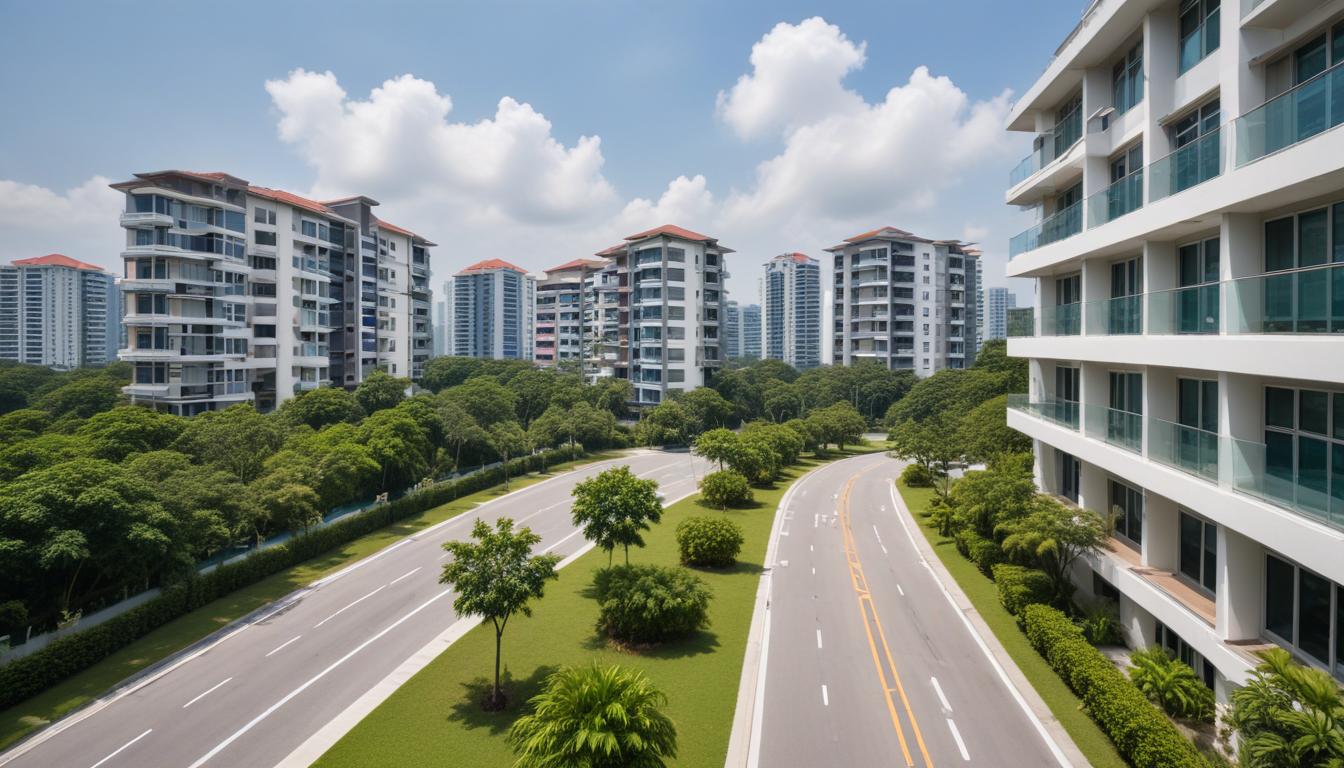
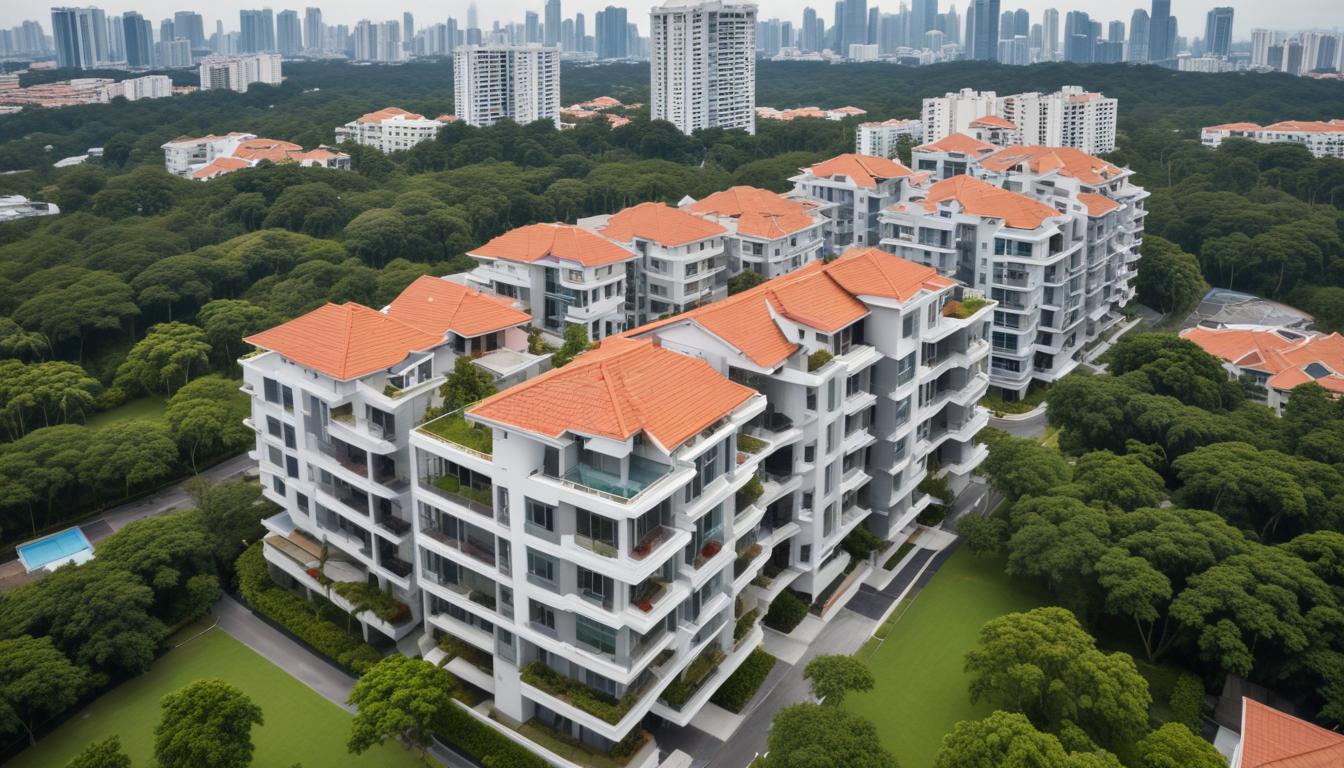
Singapore's property market is at an inflection point. Median condo prices hovering around SGD 1.8 million represent a 12-15% climb over the past 18 months, yet demand shows no signs of cooling. Understanding what's driving this surge isn't just academic—it's essential for anyone considering a purchase in 2026.
The primary culprit is straightforward: supply constraints. New launches across prime Districts 9, 10, and 11 remain historically tight. Projects in established neighbourhoods like Orchard and Marina Bay command premium positioning, with developers carefully staggering releases to maintain price momentum. Meanwhile, emerging hotspots in Jurong and Tengah new towns offer a pressure valve, attracting upgraders and young families seeking larger spaces at more palatable price points. Yet even these developments are moving briskly, suggesting the affordability gap may simply be shifting rather than closing.
Foreign investor appetite has intensified substantially. Asian wealth from Malaysia, China, and India continues viewing Singapore property as a stable, liquid asset class. This external demand absorbs a significant portion of supply that might otherwise remain available for local owner-occupiers. Simultaneously, upgraders moving from HDB resale market into executive condominiums (ECs) and private condos are competing more aggressively, pushing entry-level prices northward.
Interest rate policy remains a wildcard. While the Monetary Authority of Singapore has maintained measured approaches, even marginal rate increases could reshape affordability calculations for mortgage-dependent buyers. Prudential mortgage stress-testing now assumes rates could climb to 4-5%, yet many first-time buyers haven't factored this scenario into their planning.
The HDB resale market offers revealing signals. Mature estates in accessible MRT corridors are seeing brisk transactions, suggesting homeowners recognise capital appreciation windows may be closing. This urgency feeds into the private property market, where FOMO—fear of missing out—increasingly influences buyer psychology.
What should buyers know? First, affordability is increasingly bifurcated. Budget-conscious purchasers should examine EC developments and Growth Areas like Tengah before chasing prime districts. Second, mortgage serviceability standards are tightening; lenders scrutinise income documentation more rigorously. Third, avoid treating property purchase decisions through a pure speculation lens. Market cycles turn, and overleveraged buyers face genuine risk if economic headwinds emerge.
The market isn't broken, but it's definitely less forgiving. Success demands realistic budgeting, wider geographic consideration, and honest assessment of long-term holding capacity. The days of passive appreciation delivering outsized returns are fading. Smart buyers today are those acting with clarity rather than haste.
This article was compiled by AI from the sources linked above and screened before publishing. See our editorial standards.