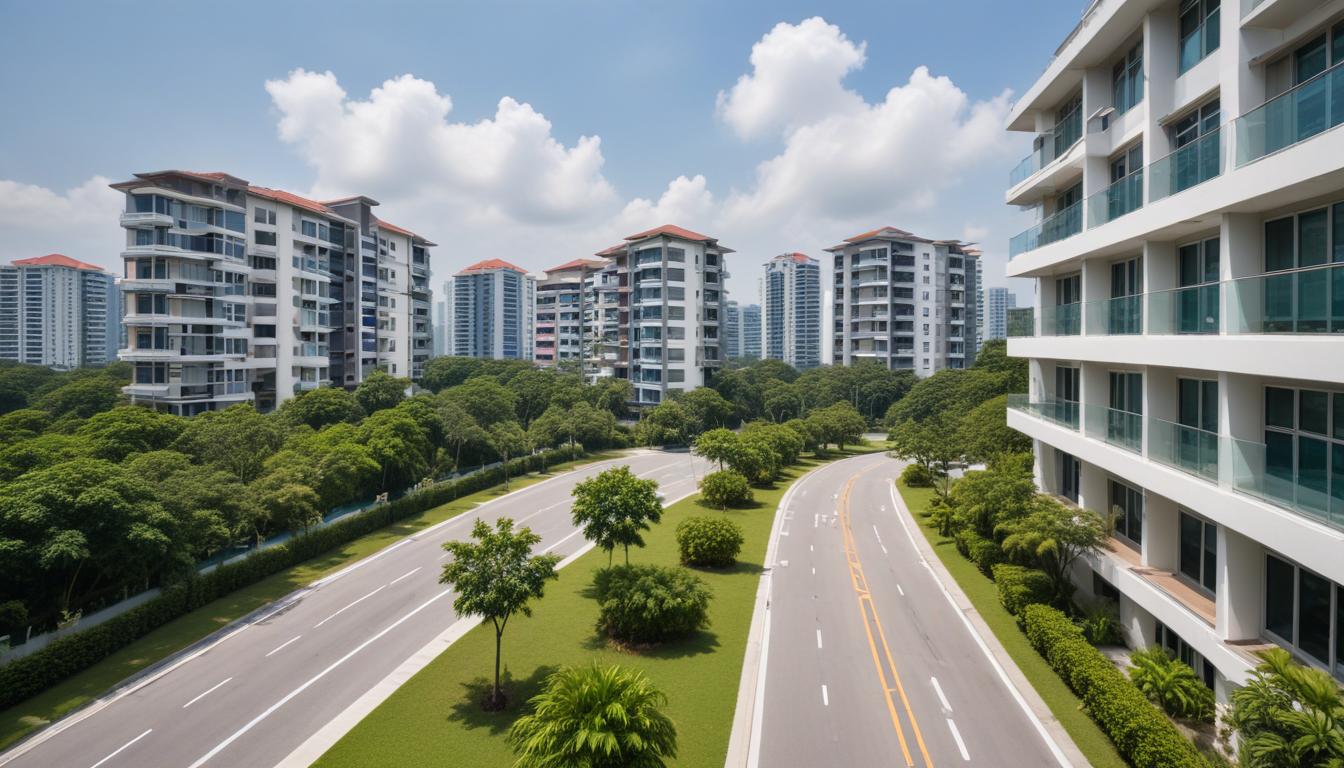
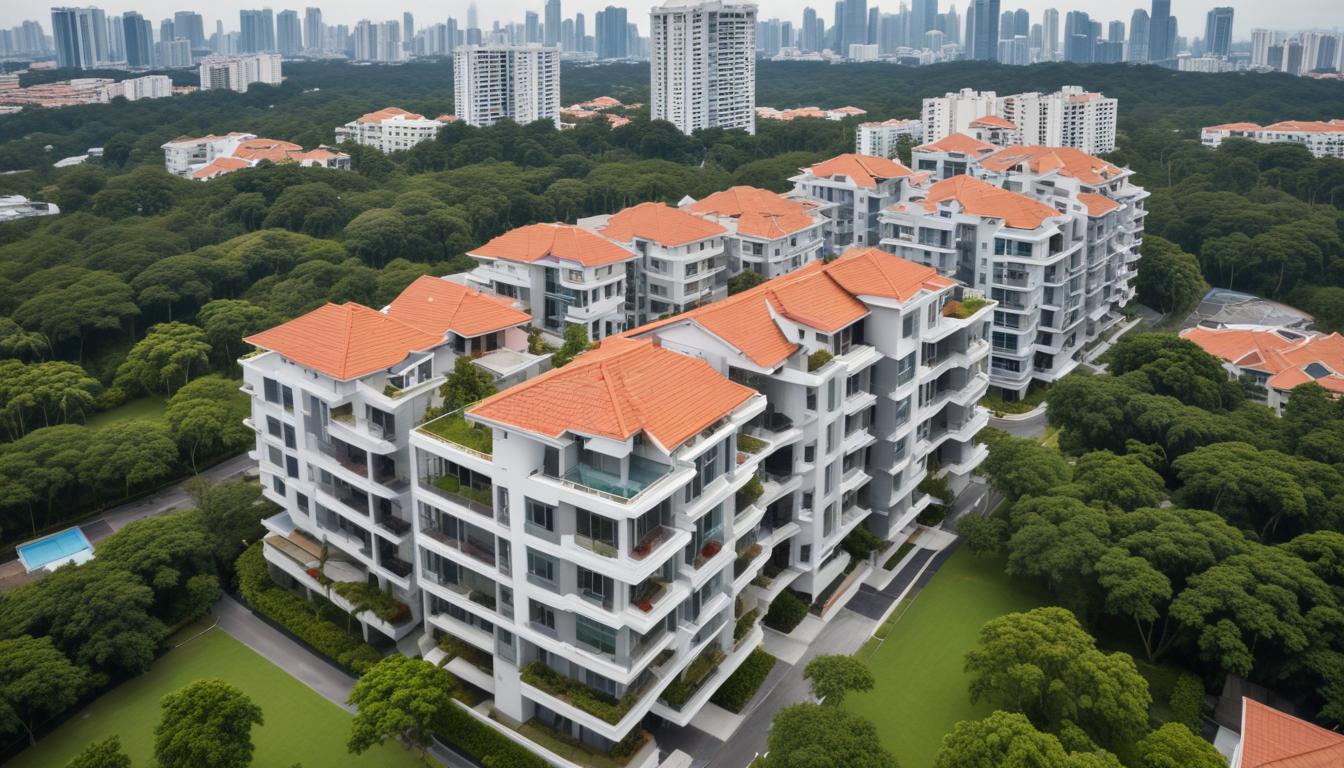
Singapore's property market is entering a defining phase. As the Urban Redevelopment Authority (URA) continues to fast-track approvals for major residential and mixed-use developments, entire neighbourhoods are being reimagined—and property values are shifting accordingly.
The most visible transformation is unfolding in the Tengah precinct, where the first wave of Build-To-Order (BTO) flats and executive condominium (EC) units are nearing completion. This sprawling new town, designed with sustainability at its core, promises car-free zones, extensive greenery, and digital infrastructure that appeals to younger families and tech-savvy upgraders. Early sales data suggests strong demand; median prices for new ECs in Tengah are tracking around SGD 650,000–750,000, positioning them as an attractive midpoint between HDB resale (median SGD 520,000) and prime condo territory (Districts 9–11 average SGD 1.8M).
Jurong, long considered a secondary location, is experiencing its own revival. Approved mixed-use developments along Jurong Lake District are introducing new retail, hospitality, and residential clusters, anchored by improved MRT connectivity and upcoming commercial hubs. Property agents report that nearby HDB resale prices in Boon Lay and Jurong West have appreciated 8–12 per cent year-on-year, driven by investor confidence in the area's long-term trajectory.
The approvals pipeline also extends to the East. Developments near Tampines and Pasir Ris are attracting upgraders seeking more space without the District 9–11 price premium. These neighbourhoods benefit from established amenities—shopping malls, hawker centres, schools—making them practical for families prioritising functionality over exclusivity.
What these projects reveal is a conscious effort to decentralise demand. Rather than concentrating growth in prime districts, authorities and developers are distributing new supply strategically, making upgrading more accessible to the broader middle market. For buyers, this means timing matters: early-stage projects often command lower entry prices, but completion timelines (typically 4–6 years for BTO, 3–4 years for private projects) require patience.
Market observers note that approved developments also signal URA's medium-term vision for land use and population distribution. Each neighbourhood's receiving a new project is essentially receiving a vote of confidence—and with it, infrastructure upgrades, transport links, and commercial ecosystem development that compound over years.
For property hunters in 2026, the lesson is clear: the next wave of growth isn't confined to established enclaves. Watch the approval notices, monitor completion timelines, and consider emerging areas where infrastructure and supply alignment are just beginning. That's where real value often emerges.
This article was compiled by AI from the sources linked above and screened before publishing. See our editorial standards.