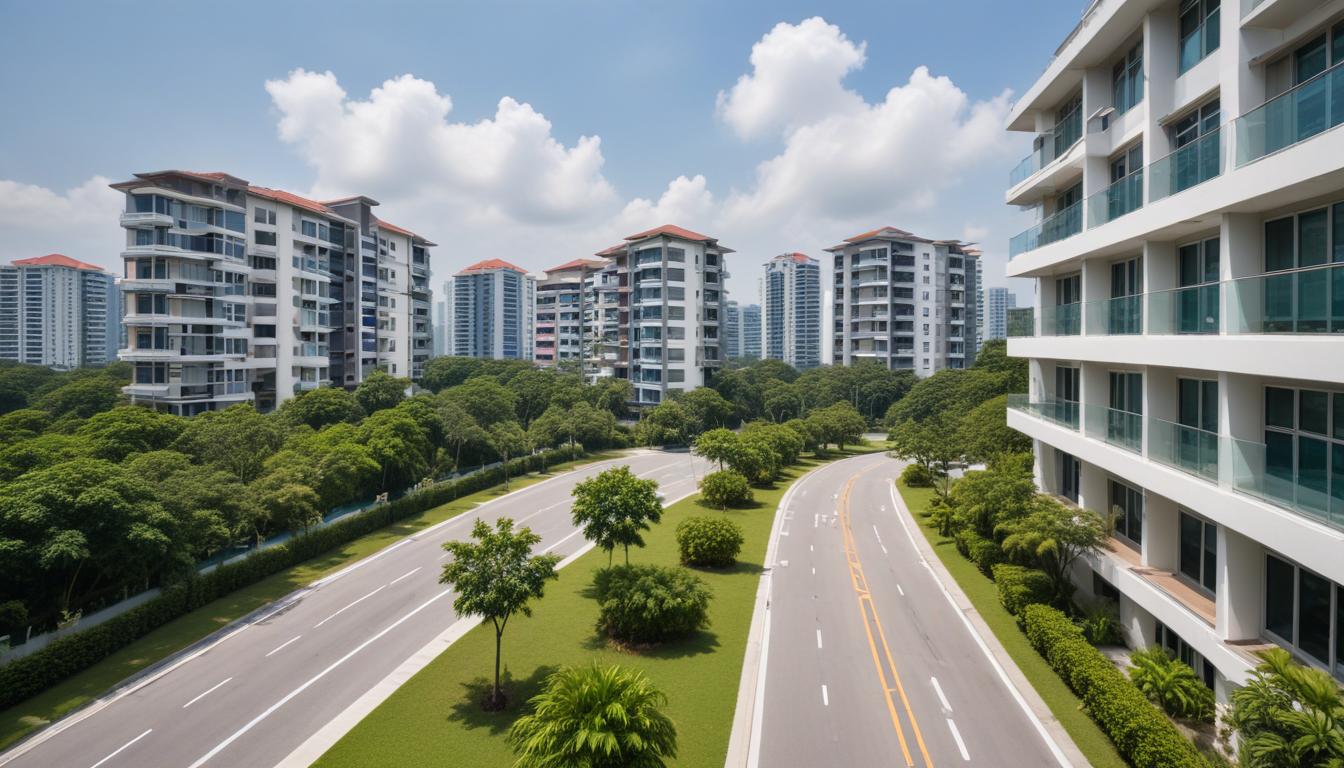
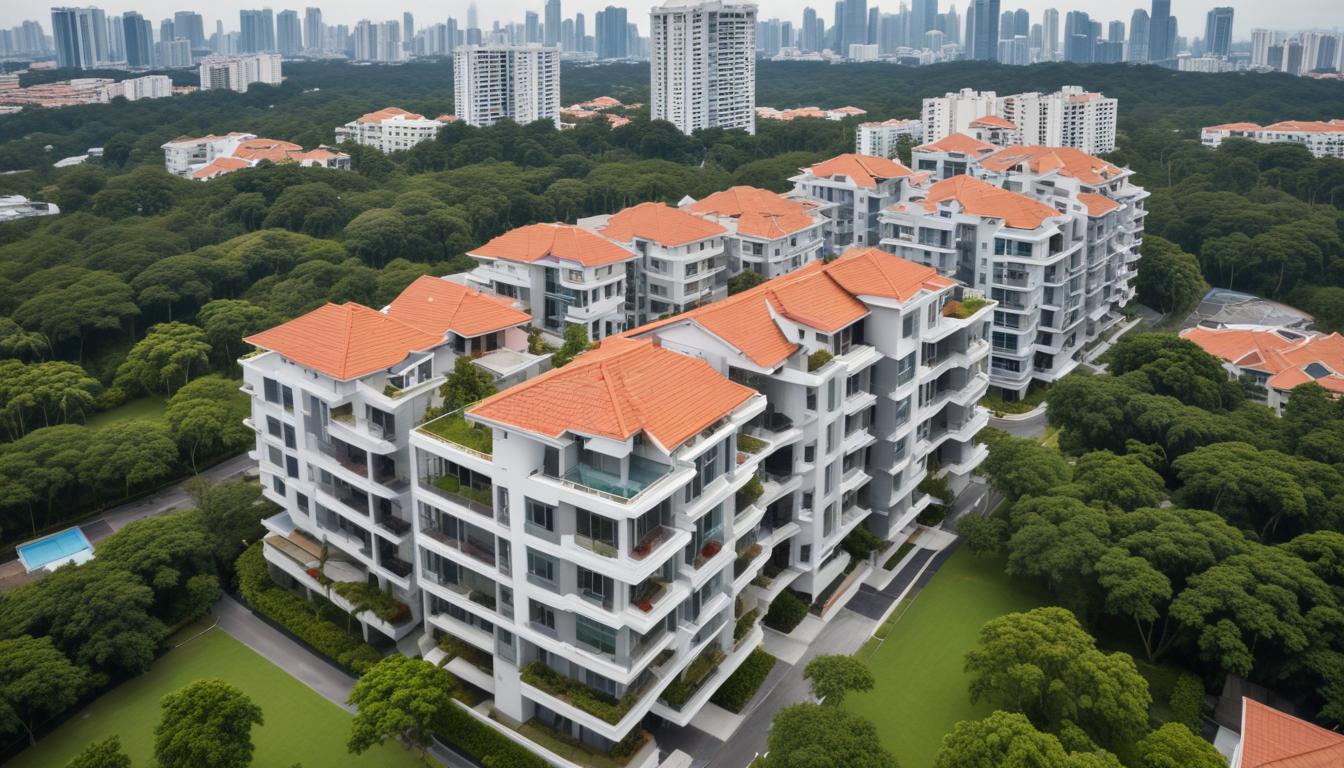
Singapore's rental market is sending a clear message to tenants: leverage exists, but timing matters. Fresh data from property portals tracking Orchard, Novena, and District 10 condominiums reveals a widening gap between asking rents and actual transaction prices—a shift that fundamentally alters the tenant's bargaining position after years of landlord-favourable conditions.
Over the past eighteen months, median asking rents for three-bedroom units in prime central locations like The Pinnacle@Duxton and Marina Bay Residences have drifted downward by 3 to 5 percent, while vacancy periods have stretched from 2–3 weeks to 4–6 weeks. This deceleration mirrors cooling signals in the HDB resale market and new executive condominium launches in Tengah, where purchase prices have stabilised after rapid appreciation. When home buyers pause, rental demand softens—a pattern repeating across Singapore's premium segments.
The data speaks louder than sentiment. Auction results from recent en bloc sales and collective sales—particularly in mature estates along Bukit Timah and Holland Road—show developers and investors proceeding with caution. Lower clearing prices and extended negotiation timelines suggest confidence has tempered. For renters, this caution upstream translates into landlord flexibility downstream.
Tenants searching in Jurong and Tengah's newer precincts are witnessing even sharper adjustments. As first-time upgraders shift focus away from renting and toward purchasing ECs and HDB resale flats, landlords competing for a shrinking tenant pool are offering rental concessions: waived agent fees, flexibility on lease length, or furnished-versus-unfurnished options once non-negotiable.
What should prospective renters do now? Market timing remains imperfect, but the fundamentals favour deliberation over urgency. Request recent comparable rental data from agents; ask for references from outgoing tenants; negotiate lease terms proactively, especially for longer commitments. In Orchard and Novena, where premium rents remain stubborn, this may yield limited savings. In Novena's second-tier buildings or District 14 suburbs, the margin for negotiation has widened measurably.
One caveat: this window reflects cyclical softness, not structural oversupply. Singapore's population growth, expatriate inflows, and limited residential land mean rental markets historically recover swiftly. Tenants who delay decisions betting on deeper falls risk a rapid reversal, particularly if interest rates decline or offshore investment in Singapore property accelerates. The signal is not a collapse—it is permission to ask better questions.
This article was compiled by AI from the sources linked above and screened before publishing. See our editorial standards.