Tengah's rental renaissance: Why savvy investors are betting on Singapore's newest town
As vacancy rates tighten across prime districts, the Tengah estate is emerging as an unexpected goldmine for landlords seeking stable returns and growing tenant demand.
This article was generated by AI from the linked public sources. The Daily Singapore is independently owned and covers Singapore news free from advertiser or sponsor influence. Read our editorial standards →
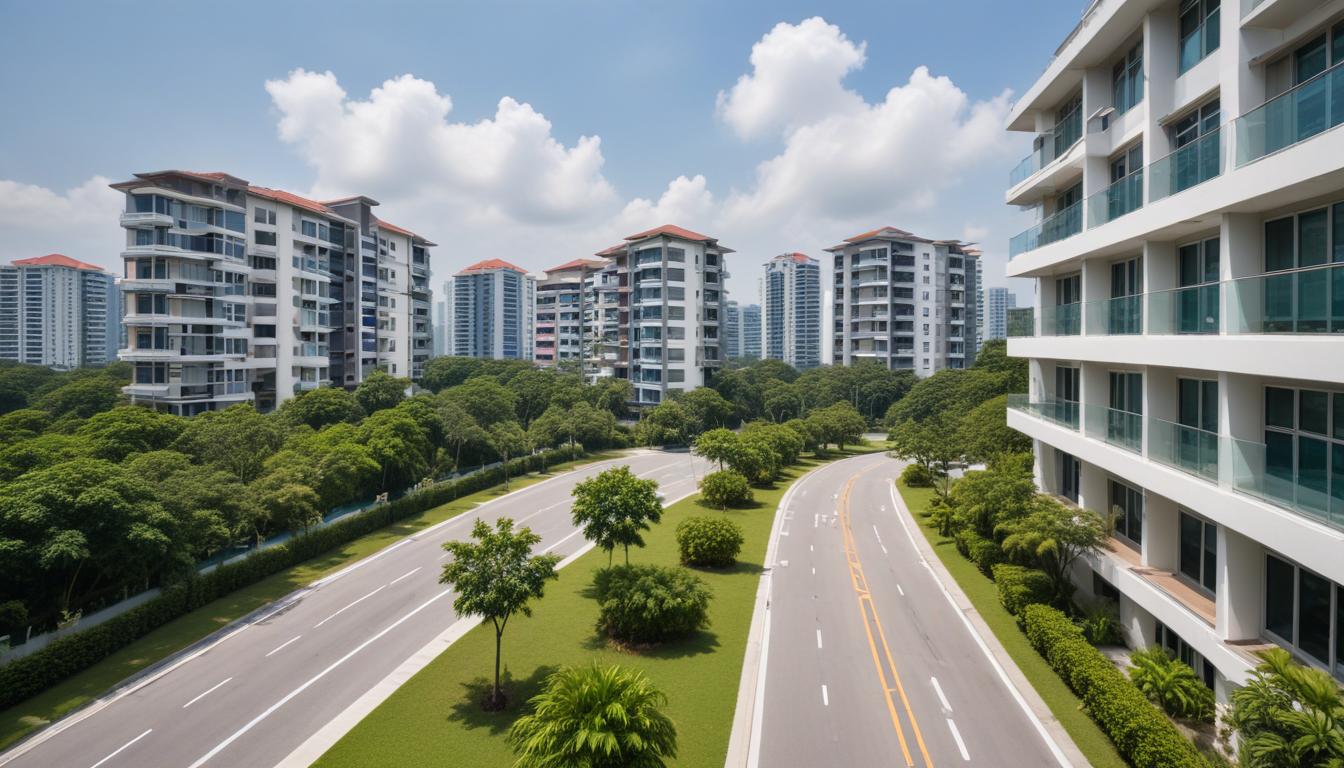
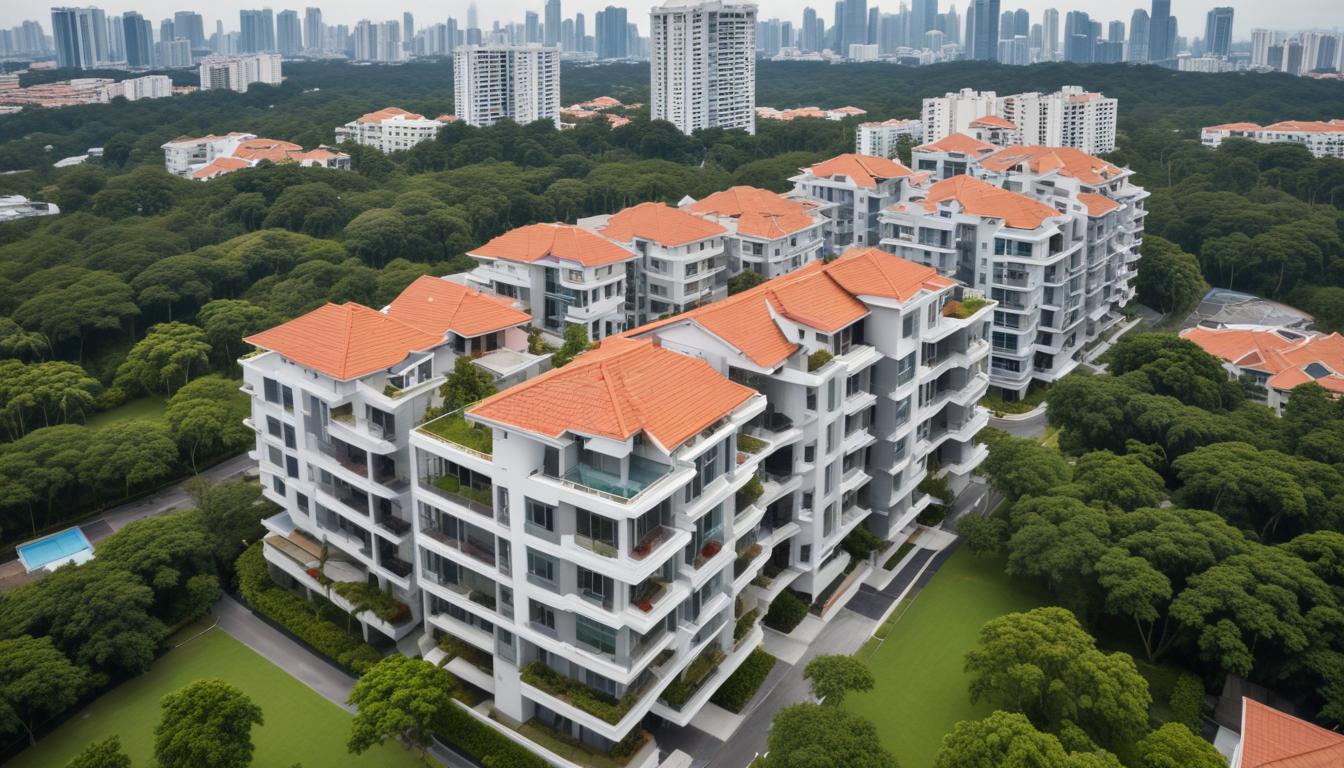
When the Housing and Development Board (HDB) launched Tengah as Singapore's first smart and sustainable new town in 2021, property watchers predicted a slow burn. Three years on, the narrative has shifted dramatically. Rental vacancy rates in the 700-hectare estate have dropped to just 3.2 per cent—among the lowest in Singapore—making it increasingly attractive to investors seeking exposure beyond the traditional central corridors of Districts 9, 10 and 11.
Tengah's appeal lies partly in affordability and accessibility. A two-room flat rents for approximately SGD 1,900–2,200 monthly, while three-room units command SGD 2,400–2,800. Compare this to comparable HDB stock in Toa Payoh or Bukit Merah, where rents have climbed to SGD 2,600 and SGD 3,000 respectively, and the value proposition becomes clear. For young professionals and migrant workers, Tengah offers modern amenities—including the completed Tengah Integrated Transport Hub linking MRT and bus services—at a fraction of fringe-district costs.
The town's master-planned infrastructure is also driving tenant acquisition. The Jurong Region Line, expected to connect Tengah directly to Jurong Innovation District, promises to reshape employment accessibility. Meanwhile, the estate's 21 Community Clubs, parks spanning 88 hectares, and the soon-to-open Tengah General Practitioner Clinic reduce reliance on external services. Schools including Tengah Primary and the upcoming secondary institutions are filling family-oriented demand.
Investment firms and individual landlords are taking notice. Data from HDB's resale portal shows transaction volumes in Tengah climbing 18 per cent year-on-year, with investors now representing roughly 35 per cent of purchase activity. The median resale price of SGD 520,000–580,000 for three-room units remains accessible for upgraders and first-time portfolio builders.
Yet prospective tenants should approach carefully. Tenant guides urge scrutiny of lease terms, especially regarding utilities and maintenance responsibilities, which can vary between flat owners. The Community Development Council (CDC) Jurong and HDB's Tengah branch offer orientation resources for renters unfamiliar with the estate's evolving infrastructure.
As central Singapore's rental squeeze intensifies and vacancy rates climb in older heartland towns, Tengah represents a rare convergence of supply, demand and infrastructure readiness. For investors, it signals a fundamental shift in where stable rental yields are being forged. For tenants, it offers modern, affordable living before the area fully matures—and prices inevitably follow.
This article was compiled by AI from the sources linked above and screened before publishing. See our editorial standards.
Covering property in Singapore. This article was generated by AI from the linked sources and was not reviewed by a human editor before publishing. See our editorial standards.