Property
Why Singapore's rental market is shifting: What tenants and landlords need to know right now
Supply pressures, demographic changes, and new developments are reshaping where renters are heading—and what they're paying.
3 min read
Property
Supply pressures, demographic changes, and new developments are reshaping where renters are heading—and what they're paying.
3 min read
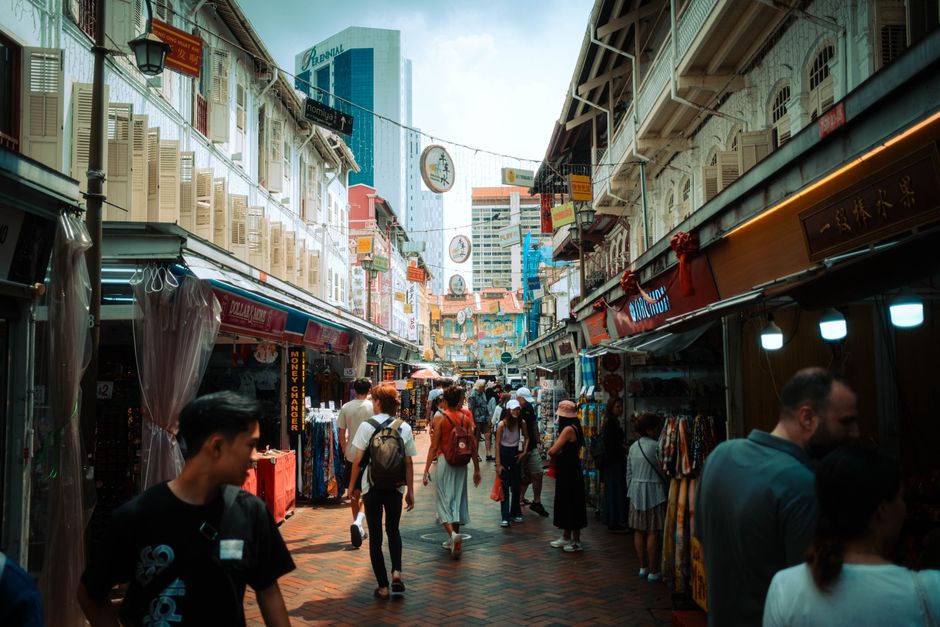
Singapore's rental market is in flux. While central districts like Orchard and Marina Bay command eye-watering premiums, a quiet reshuffling is underway in the suburbs—one that savvy tenants and investors alike are beginning to capitalise on.
The current landscape reflects two competing forces. On one hand, prime real estate in Districts 9, 10, and 11 remains scarce and expensive, keeping rents near the $6,000 to $9,000 monthly mark for a three-bedroom unit. On the other, the opening of new integrated towns like Tengah and the regeneration of older suburbs such as Jurong are pulling renters away from traditional hotspots, creating pockets of genuine value.
What's driving this shift? Supply, primarily. The completion of HDB towns and Build-to-Order projects in Tengah has attracted younger families and upgraders seeking space without the premium. Meanwhile, the maturation of the Jurong Lake District—anchored by retail, dining, and recreational facilities around Jurong Point and JCurve—has transformed what was once a purely industrial area into a liveable neighbourhood. Monthly rents for a two-bedroom resale flat in Jurong East now hover around $2,500 to $3,200, compared to $4,500 to $5,500 in Tiong Bahru or $5,000 to $6,500 in Bukit Timah.
The Eastern Corridor is also heating up. Pasir Ris and Tampines, long dismissed as dormitory suburbs, are attracting tenants priced out of the north-south corridor. New MRT connectivity, shopping hubs like Pasir Ris Park and Downtown East, and improving hawker scenes have made these areas genuinely competitive. Three-bedroom units rent for $2,800 to $3,600 monthly—roughly half what equivalent space costs in River Valley.
Regulatory shifts matter too. The Urban Redevelopment Authority's ongoing housing intensification plans and the government's emphasis on rejuvenating mature estates are beginning to show returns. Estates like Bedok and Serangoon, traditionally undervalued, are seeing modest but steady rental growth as infrastructure improves and demographics shift.
For prospective renters, the lesson is clear: location premium no longer means central location. Commute times matter less in a work-from-home era, and a ten-minute walk to a new MRT station or mall counts for more than proximity to Orchard Road. Landlords holding property in emerging areas are seeing stronger tenant retention and appreciation potential.
The golden window for finding value is narrowing. As awareness spreads and these neighbourhoods mature, rents will compress upward. Tenants and investors who move now stand to benefit—whether through lower costs today or stronger long-term returns tomorrow.
This article was compiled by AI from the sources linked above and screened before publishing. See our editorial standards.
About this article
Published by The Daily Singapore
Spread the word
Daily brief
Free, in your inbox before 7am. Weekdays.
The Daily Network — local news across Australia