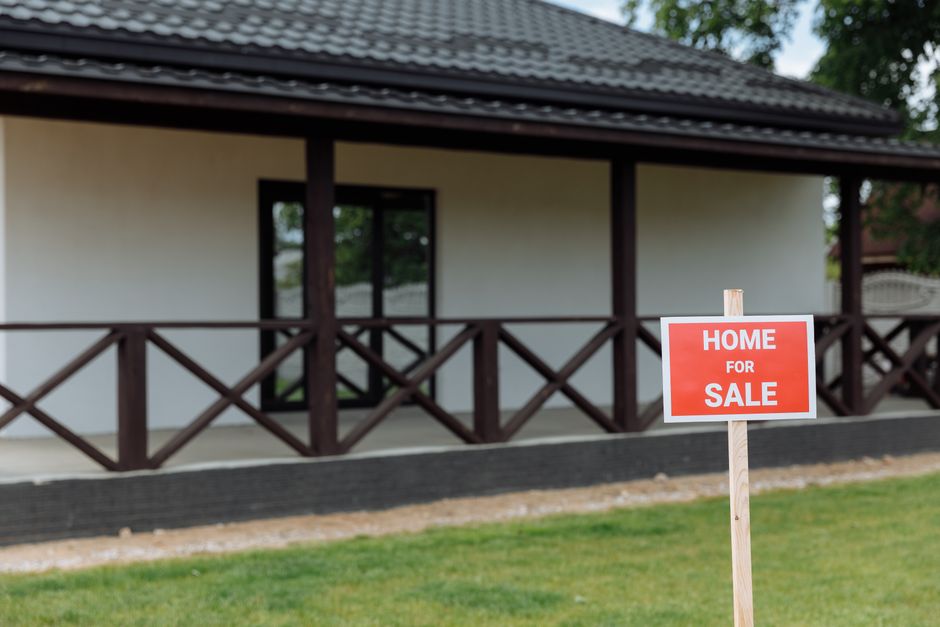
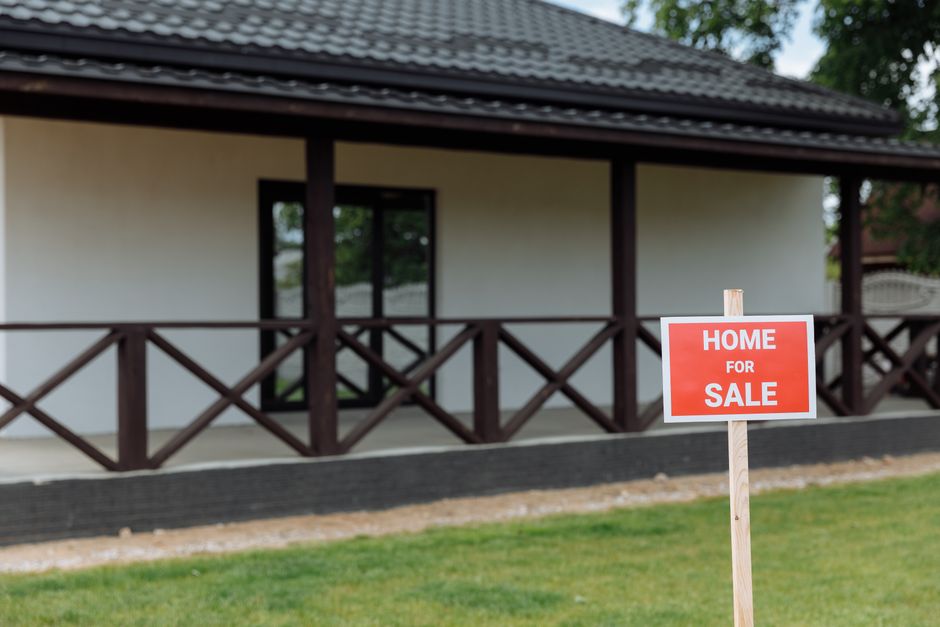
For the first time in years, some private apartment renters in Singapore are discovering that their monthly outlays are starting to look smaller than what new buyers face in mortgage instalments, especially in city-fringe districts like Tiong Bahru and Queenstown. A 950 sq ft two-bedroom unit along Kim Tian Road now commands a monthly rent of about $4,300, while a comparable unit in the same area with a purchase price around $1.7 million translates to mortgage payments pushing close to $5,800 a month—if the buyer stretches over a 25-year loan at 4% interest.
Crunch Time in a Pricey Market
This affordability squeeze comes as the Urban Redevelopment Authority (URA) flagged persistent price growth despite a slight pull-back in transaction volumes last quarter. Buyers are facing a double whammy: higher interest rates and a tight supply of prime units. Rents have eased only slightly from 2023 peaks, but bank lending rates have climbed steadily. With property agents warning that caution is back in vogue among upgraders and PR buyers, the calculus between renting and buying is under intense re-examination.
The impact hits home in popular residential hubs. In Queenstown, recent data from EdgeProp shows the median transacted price for a 3-bedroom unit at Stirling Residences crossing $2,300,000 in May 2026. The same unit currently rents for $5,200 a month. Over 10 years, an owner with a 75% mortgage at today’s 4% interest would pay almost $1.4 million in loan repayments alone—excluding maintenance fees and property taxes. Contrast that with $624,000 in gross rent paid by a tenant over the same period (not accounting for likely increases, or upfront cash commitments from buyers).
Inside the Numbers
According to the latest HDB resale figures, median prices in mature estates such as Bishan have hovered just under $860,000 for 5-room flats—a record high. But for many, the gap between HDB resale and private resale is vast. New Executive Condominiums (ECs) like North Gaia in Yishun report brisk interest from young families, with $1,200,000 being the typical starting price for 3-bedroom configurations. Renters in District 19 (Serangoon/Hougang) are still paying $3,800 to $4,500 a month for similar private units, but buying means steep cash outlays and higher loan rates compared to the HDB path.
Recent MAS statistics show an effective residential loan interest of 3.85%—the highest in over a decade. At these levels, mortgage repayments for a $2 million property purchased today can exceed $6,800 a month. For reference, URA’s Q2 2026 report puts average private apartment rents islandwide at $4,600, down about 8% year-on-year, but still historically elevated.
What does this mean for the median household? With the average Singaporean household earning about $10,100 a month (DOS, 2025), both rents and mortgage burdens are taking an ever-larger bite out of incomes. The calculation is shifting: the security of ownership still draws many buyers, but the premium above renting has rarely been steeper in the last five years.
Watching for the Next Move
Analysts at OrangeTee and Cushman & Wakefield expect rents to stay steady until at least early 2027, with landlords only yielding if new supply in Tengah and Jurong really makes a dent. For would-be buyers, the decision pivots on loan sizes and upfront commitments—especially with the Total Debt Servicing Ratio (TDSR) regime limiting how much of salary can go toward repayments. Those on the sidelines are advised to track upcoming sales launches (like the much-anticipated Bukit Timah Collection) and monitor mortgage packages for signs of relief. Meanwhile, renters are benefiting from greater bargaining power as more expat packages get trimmed and the rental pool grows. For those with flexibility, renting now could mean significant monthly savings over buying, at least until prices—or rates—shift meaningfully in the buyer’s favour again.