Property
How Much Rent Is Too Much? The 30% Rule in Practice for Singapore Renters
With median rents continuing to climb, more Singaporeans are testing the limits of the classic rent-to-income benchmark.
3 min read
Property
With median rents continuing to climb, more Singaporeans are testing the limits of the classic rent-to-income benchmark.
3 min read
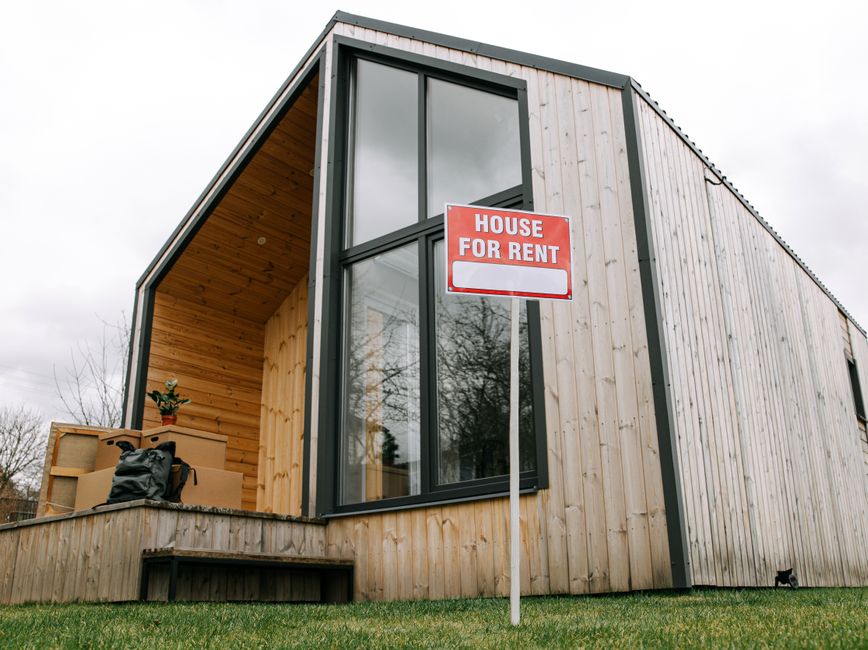
For the first time since 2012, median monthly rents for non-landed private properties in Singapore edged past $4,200 this quarter, a level that has thousands of tenants recalculating their budgets and wondering: just how much rent is too much?
This question is especially urgent now. The past two years saw sharp rent increases across the island, a trend that has squeezed aspiring homeowners and long-term renters alike. As more young professionals turn to the rental market—either priced out or holding off on purchases in hope of a cooler market—old affordability benchmarks like the “30% rule” are back in the spotlight.
The rule of thumb: your rent should not exceed 30% of your gross monthly income. This line, popularised by global personal finance coaches, has gained even more traction on local forums from Toa Payoh to Bukit Timah. But with a median rent of $4,200 a month for a two-bedroom unit in Novena, a single tenant would need to draw more than $14,000 monthly to keep housing costs under the 30% threshold—well over double Singapore’s median gross income of $5,600, based on the Ministry of Manpower’s latest data.
For most, the math only balances with room rentals or HDB options. Jalan Membina and Commonwealth Crescent, for example, still offer three-room flats below $3,000 monthly on PropertyGuru’s July listings. Even so, some long-term expats in River Valley and young Singaporean couples in Kallang are now paying 35% or more of their take-home salaries, agents from ERA and OrangeTee confirm. "Shared flats or co-living spaces like Lyf Funan and Cove have become fallback options," says one agent. Recent demand at these venues has pushed monthly rates up to $2,500 for a small en-suite.
The Urban Redevelopment Authority’s Q2 rental index hit its highest point in a decade, tracking double-digit percentage growth since 2022. For reference, the median household income (including employer CPF) sits at $10,869—meaning a two-income family can, on paper, rent in more locations than singles. Still, even dual-income tenants in Punggol or Queenstown face rents that bite a third or more from their pay, before utilities and conservancy bills.
Financial planners from NTUC Income and DBS have long flagged that pushing above the 30% threshold can spell trouble if incomes fall or emergency savings run low. The Monetary Authority of Singapore echoed these risks in May, calling for restraint as employment volatility increases amid global shocks. Landlords, meanwhile, are watching for signs of softening, but actual discounts remain rare. Recent launches in Tengah and Jurong promise relief, but most projects will not be ready before late 2027.
So what comes next? Agents expect rent increases in the core central region to moderate but not reverse. For anyone signing a new lease this year, the practical advice is stark: do your sums, factor in at least 6-8% for potential rent hikes, and keep an emergency buffer. If rent crosses that 30% threshold, planners recommend re-examining priorities—whether it’s sharing, downsizing, or deferring that prime address for a few years more.
About this article
Published by The Daily Singapore
Spread the word
Daily brief
Free, in your inbox before 7am. Weekdays.
Before you go
The day's Singapore news in a 2-minute read. Free, weekday mornings.