Property
Singapore Rents Surge: 3.5% Yields Hit 6-Year High
Landlords in prime districts pocket record returns while tenants face steep lease renewal hikes. Here's how renters can negotiate.
4 min read
Property
Landlords in prime districts pocket record returns while tenants face steep lease renewal hikes. Here's how renters can negotiate.
4 min read
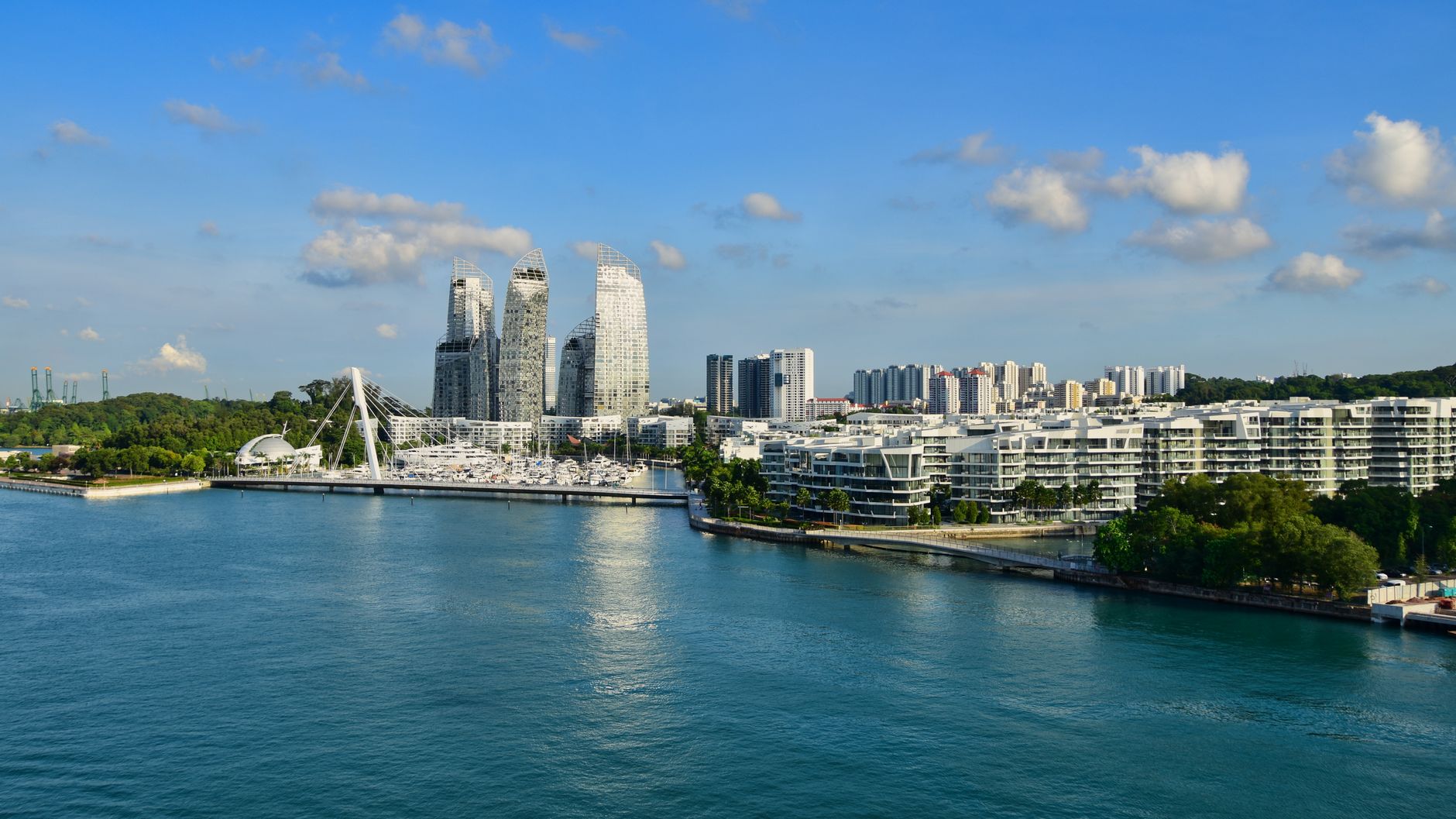
Singapore's private rental market handed landlords a quiet windfall in the first half of 2026. Gross yields on non-landed private residential units climbed to a median of 3.6% island-wide in Q1, according to data tracked by the Urban Redevelopment Authority, with tighter-supply pockets in Orchard Road and Holland Village pushing that figure above 4% for some two-bedroom units. Renters whose leases expire between now and December are walking into that wall of numbers with very little leverage.
The crunch is not accidental. A pipeline drought — fewer than 4,200 private units are scheduled for completion in the second half of 2026, down sharply from the 8,900 delivered in all of 2023 — means landlords can price aggressively and still fill vacancies quickly. Add a cohort of buyers priced out of the sales market, where condo medians sit around S$1.8 million, and you have a tenant pool that is both large and cash-strapped relative to what landlords are asking.
In Tanjong Pagar, a 700-square-foot one-bedder that let for S$3,200 a month in mid-2024 is now being marketed at S$3,700 to S$3,900 on renewal. That is a 15% to 22% jump over 24 months. Holland Road corridor two-bedders — the bread-and-butter product for dual-income expat couples — have crossed S$5,500 a month at several projects near Chip Bee Gardens, up from roughly S$4,800 eighteen months ago. At those rents, a landlord who bought a S$1.6 million unit and borrowed conservatively is clearing a net yield — after maintenance fees and property tax — of close to 3.2%, the best pencil-out since 2013.
Executive condominiums in Tengah and in the Jurong Lake District are a different story. Because EC units can only be rented out after the five-year minimum occupation period, supply there is still thin and rents have not corrected the way some analysts predicted when the Tengah townships first launched. A four-bedroom EC in Tengah averaging 1,350 square feet is fetching S$4,200 to S$4,500 a month — numbers that once seemed ambitious but now look almost reasonable against District 9 comps.
The Housing Development Board resale market is absorbing some of the overflow. Resale HDB flats in mature estates like Bishan, Toa Payoh and Queenstown are fully legal to rent out under HDB's subletting framework, and three-room units in those towns are being sublet at S$2,400 to S$2,800 — roughly 30% below comparable private stock. That gap has widened in 2026, making the HDB rental tier a genuine refuge for tenants priced out of the condo market.
Real estate agency PropNex and platform 99.co both track lease-expiry clusters by district, and the data suggests that tenants whose leases end in September to November face the tightest renewal windows, because that period coincides with peak corporate relocation season. Locking in a 24-month renewal now — even at a marginal premium over the current rate — hedges against a further S$200 to S$300 monthly increase in September.
Tenants willing to move can find arbitrage in the Novena and Balestier corridors, where older walk-up apartments along Toa Payoh Rise and Thomson Road are letting at a 10% to 15% discount to newer projects despite being 15 to 20 minutes from Raffles Place by MRT. Projects along the Thomson-East Coast Line, particularly those within five minutes of Caldecott and Springleaf stations, are still being underpriced relative to their connectivity.
One practical step: file a Rental Relief inquiry with the Community Disputes Resolution Tribunal only as a last resort — the process is slow and rarely ends tenancy disputes favourably before a lease expires. The more effective move is engaging a licensed salesperson early, at least ten weeks before lease expiry, and requesting a comparative market analysis from the Council for Estate Agencies' public register of recent transactions. That document gives tenants a factual basis to counter a landlord's asking price rather than simply absorbing it.
Landlords, for their part, have the numbers on their side right now. But vacancy periods cost money too — a unit sitting empty for six weeks at S$4,000 a month erases S$6,000 in annual yield. That calculus, more than anything, is the renter's most useful piece of leverage at the negotiating table.
Property

Property
Property
Property
About this article
Published by The Daily Singapore
Spread the word
Daily brief
Free, in your inbox before 7am. Weekdays.
Before you go
The day's Singapore news in a 2-minute read. Free, weekday mornings.