community
Singapore's Tropical Climate: Hot, Humid Year-Round
Located just 1° north of the equator, Singapore experiences consistent heat and rainfall throughout the year. Here's what to expect.
How we reported this
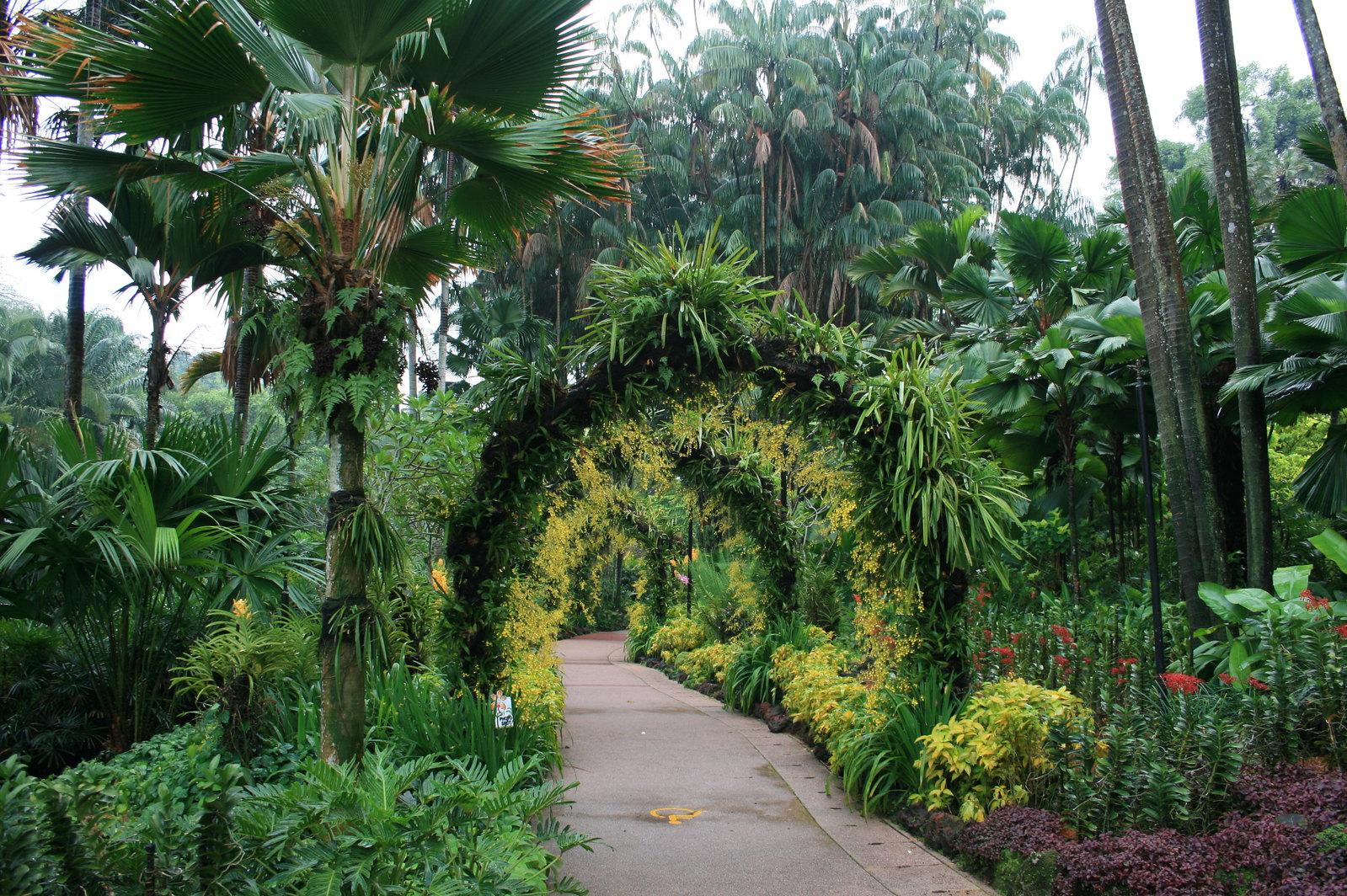
Singapore's position one degree north of the equator means the city-state experiences a tropical rainforest climate with no traditional seasons. Temperatures remain consistent throughout the year, ranging from around 25 to 32 degrees Celsius on most days, with humidity typically between 70 and 80 percent.
Rainfall
Singapore receives substantial rainfall year-round, averaging around 2,165 millimetres annually. Short, intense thunderstorms are common in the afternoon, particularly between November and January during the northeast monsoon period and again in April and May during inter-monsoon months. The Meteorological Service Singapore (MSS) issues advisories during heavy rain events, which can cause localised flooding in low-lying areas.
The Monsoon Seasons
Singapore experiences two monsoon seasons. The northeast monsoon (December to early March) brings wetter and slightly cooler conditions, with prevailing winds from the South China Sea. The southwest monsoon (June to September) is generally drier, though it also brings the haze season when forest fires in Sumatra push smoke across the Strait of Malacca into Singapore. The Pollutant Standards Index (PSI) is published daily by the National Environment Agency during haze periods.
What to Wear
Light, breathable clothing is practical year-round. An umbrella or compact rain jacket is advisable for afternoon outings. Air-conditioning is ubiquitous in shopping centres, offices and public transport, so a light layer is useful indoors.
Sources: Meteorological Service Singapore, NEA: Pollutant Standards Index.