community
Singapore's UNESCO Hawker Centres Feed Millions Daily
Hawker stalls serve affordable Chinese, Malay, Indian and Eurasian dishes, preserving Singapore's intangible cultural heritage since 2020 recognition.
How we reported this
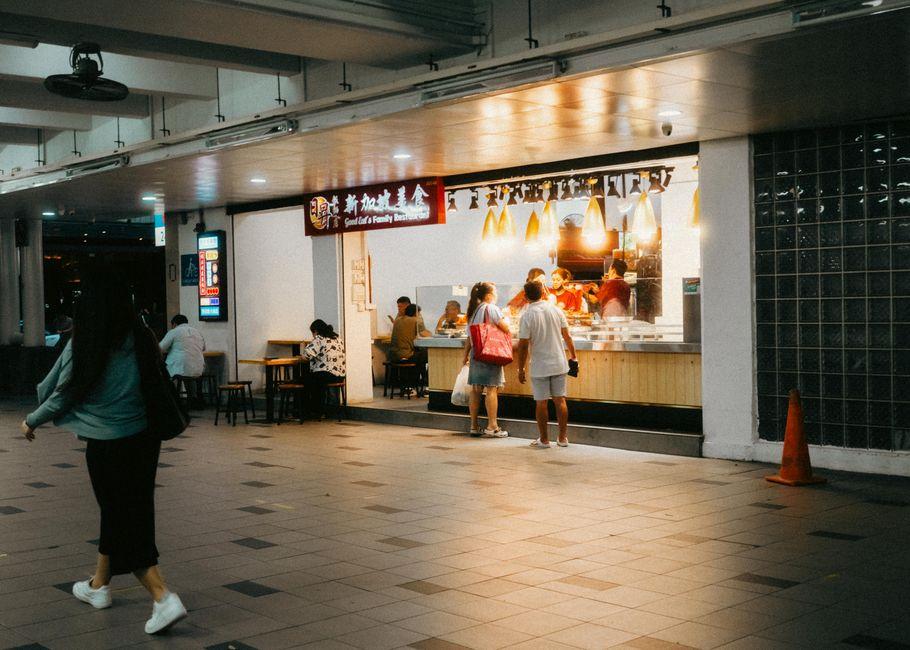
Singapore's hawker culture was inscribed on UNESCO's Representative List of the Intangible Cultural Heritage of Humanity in 2020, recognising the hawker centre as a defining feature of Singaporean identity and social life. The centres function as open-air food halls where stalls, often family-run across generations, serve dishes from the city-state's diverse ethnic communities side by side.
The Hawker Centre System
Hawker centres were established in the 1970s when the government resettled street food vendors into purpose-built, hygienic facilities. There are around 110 hawker centres across Singapore, managed by the National Environment Agency (NEA). Stalls are licensed and subject to regular hygiene inspections, with a grading system published publicly. Prices remain tightly controlled, making hawker centres among the most affordable dining options in any major global city.
Signature Dishes
Each ethnic tradition contributes iconic dishes. Hainanese chicken rice, char kway teow, laksa, roti prata, nasi lemak, bak chor mee and satay are among the dishes most closely associated with Singapore's culinary identity. The Michelin Guide has recognised several hawker stall operators, including the world's first Michelin-starred hawker stall, Hill Street Tai Hwa Pork Noodle.
Visiting
Maxwell Food Centre, Lau Pa Sat, Old Airport Road Food Centre and Tiong Bahru Market are among the most visited hawker centres. Most open by 8am and operate through to late evening. Payment is typically by cashless means, with many stalls accepting PayNow and major e-wallets.
Sources: National Environment Agency, UNESCO: Hawker Culture in Singapore.