Walk past any void deck in Geylang or Clementi on a Saturday morning, and you'll see what Singapore's sports revolution really looks like: teenagers shooting hoops on portable rims, uncles playing badminton under flickering LED strips, aunties jogging in formation through HDB estates. These aren't headline-grabbing moments, yet they're the foundation upon which the island's world-class sporting venues were built.
Singapore's recent investments in major stadiums—from the $226 million redevelopment of the National Stadium to the ambitious Sports Hub ecosystem in Marina South—didn't emerge from government blueprints alone. They emerged from years of grassroots demand, built by community organisations operating from modest spaces across the island's 23 constituencies.
The Singapore National Sport Clubs Association, established nearly three decades ago, coordinates over 500 grassroots sports groups across neighbourhoods like Bukit Merah, Bedok, and Ang Mo Kio. These aren't just recreational pastimes; they're pipelines. The island's table tennis dominance, for instance, traces directly to neighbourhood clubs in areas like Tiong Bahru and Woodlands that identified young talent through community tournaments before funnelling them into elite academies.
"Accessibility was the real game-changer," explains the infrastructure strategy behind expanding subsidised sports facilities across all 24 constituencies. Community centres in places like Yishun and Bukit Batok now offer tennis courts, swimming pools, and multipurpose halls at rates between $1.50 and $8 per hour—pricing that transformed sports from a middle-class pursuit into a genuine mass participation movement. By 2025, over 1.4 million Singaporeans held active membership in community sports clubs.
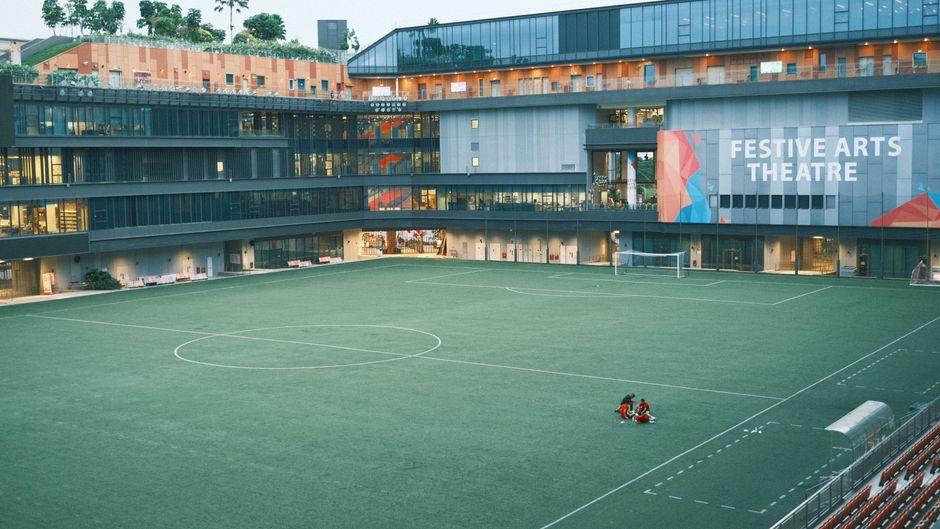
The National Stadium's evolution illustrates this perfectly. Before its $226 million transformation, it hosted modest community events alongside international fixtures. Today's design deliberately incorporates community spaces: the surrounding precinct includes 15 free public sports courts and running trails that serve residents daily, not merely during marquee events.
Notably, approximately 40 per cent of Singapore's Olympic medallists trace their initial development to community grassroots programmes rather than elite academies. This isn't coincidental—it reflects a deliberate ecosystem where neighbourhood badminton clubs, cycling groups in the East Coast, and dragon boat teams throughout Singapore's waterways serve as genuine talent identification pathways.
As the island continues investing in venues like the upcoming Kallang Sports Hub expansion, the lesson remains clear: championship venues don't create sporting nations alone. Singapore's stadiums became world-class because they're built atop foundations laid by thousands of community organisers working from void decks and neighbourhood centres, driven by a simple principle—sport belongs to everyone.
This article was compiled by AI from the sources linked above and screened before publishing. See our editorial standards.