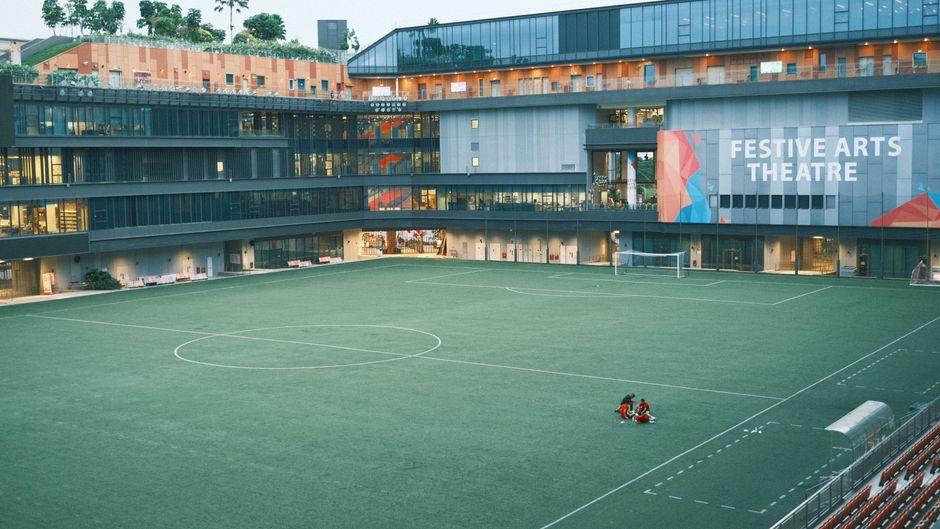
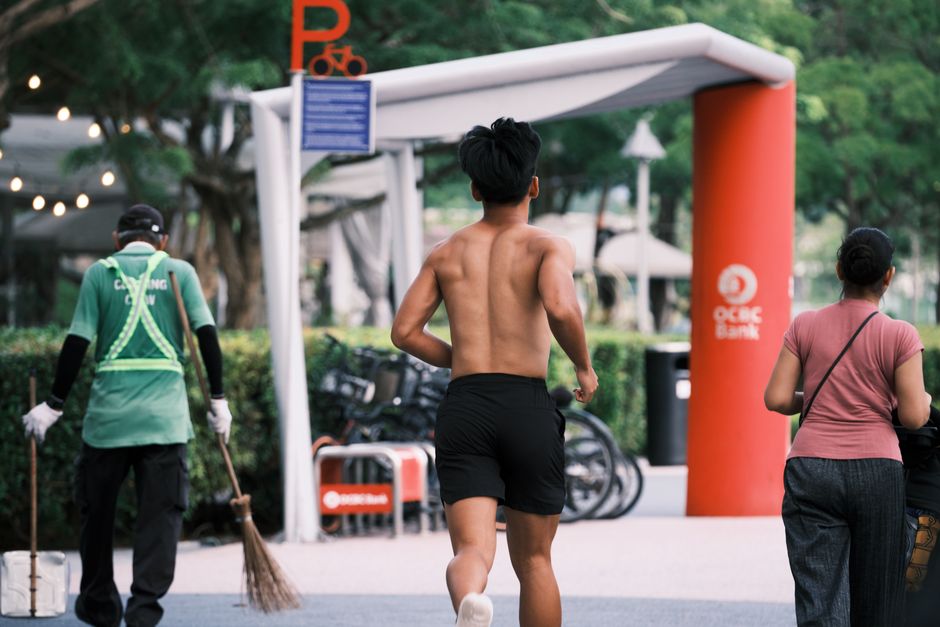
Walk along the Bedok Reservoir Park on a weekend morning, and you'll find something quietly remarkable: clusters of footballers of all ages, united not by professional ambition but by genuine community spirit. This scene, replicated across Singapore's neighbourhoods from Clementi to Tampines, tells the story of how local football clubs have evolved from mere training grounds into the social fabric of their precincts.
The shift reflects a broader transformation in Singapore's football landscape. While the Singapore Premier League commands headlines, it's the grassroots clubs operating in void decks, community centres, and neighbourhood parks that are capturing hearts and building lasting bonds. Organisations like the Geylang district football association have seen membership surge by nearly 40% over the past three years, driven largely by families seeking affordable weekend activities and meaningful social connections.
Take the success of clubs operating from Tampines Central and Hougang's neighbourhood facilities. These clubs charge membership fees between $30 and $80 monthly—modest sums that make football accessible to working families and students. More importantly, they've transformed their immediate surroundings into hubs where residents gather not just to play, but to belong. Weekly training sessions evolve into coffee sessions at nearby hawker centres. Tournament victories become collective celebrations for entire blocks.
The economic impact shouldn't be overlooked either. Local clubs generate steady traffic for neighbourhood businesses, from sports equipment shops near Orchard Road to food vendors stationed near training venues. Several clubs have partnered with grassroots sponsors—neighbourhood merchants who see value in supporting their community's sporting life, even if the financial returns are modest.
What sets these clubs apart is their deliberate focus on inclusion. Many run women's teams, youth academies, and disability-friendly sessions. The growth in female participation has been particularly striking, with girls' teams now representing nearly 30% of players in many neighbourhood clubs—a stark contrast to the male-dominated landscape of just a decade ago.
Coaches and volunteers remain the backbone of this ecosystem. Operating on nominal honorariums or purely voluntary basis, they invest countless hours nurturing both skills and character. Their work rarely attracts media attention, yet it forms the foundation upon which Singapore's football future rests.
As Singapore navigates rapid urbanisation and growing social atomisation, these football clubs offer something increasingly precious: genuine community. They remind us that sport's greatest victory isn't measured in trophies, but in the relationships forged and the sense of belonging they foster in the neighbourhoods they serve.
This article was compiled by AI from the sources linked above and screened before publishing. See our editorial standards.