Singapore's fitness landscape has undergone a dramatic transformation over the past three years, with dozens of new gyms and training facilities reshaping how locals approach health and exercise. The infrastructure boom reflects broader global trends while catering distinctly to Singapore's cosmopolitan, time-conscious demographic.
The epicentre of this expansion lies in the Central Business District and surrounding commercial hubs. Major chains have invested heavily in flagship locations—think sprawling complexes across Orchard Road and the Marina Bay precinct, where membership fees typically range from $150 to $300 monthly for premium tiers. These aren't your neighbourhood community centres anymore; they're high-tech ecosystems featuring performance labs, cryotherapy chambers, and AI-tracked workout systems that appeal to Singapore's tech-savvy fitness enthusiasts.
Beyond the big players, boutique studios have proliferated in unexpected pockets. Tiong Bahru's artsy neighbourhood now hosts specialized crossfit boxes and functional training studios, while Tanjong Pagar's warehouse conversions house trendy climbing gyms and movement studios. This decentralization means locals no longer need to travel far for quality training—a significant shift for a nation where commute times heavily influence lifestyle choices.
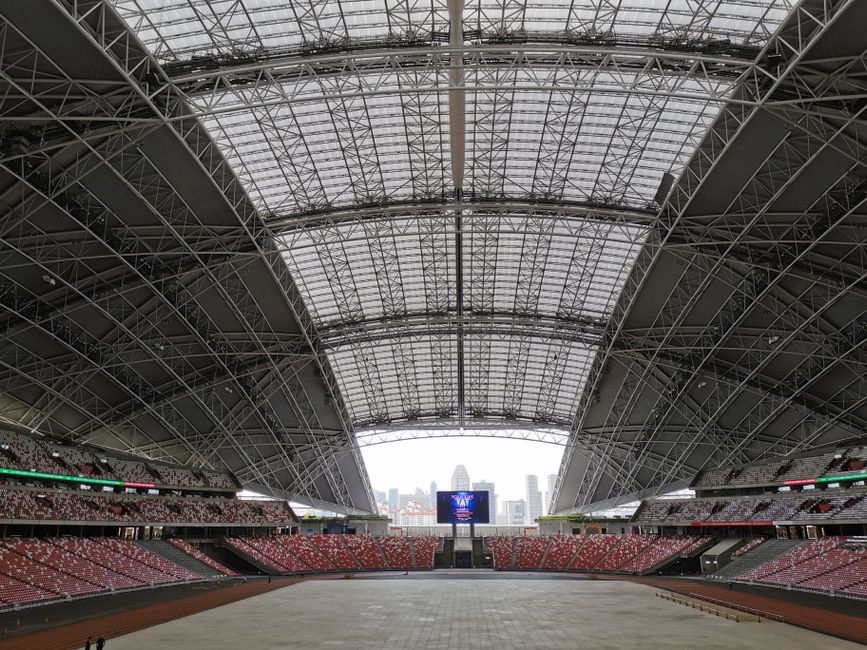
The Singapore Sports Hub at Marina Bay remains the flagship public facility, offering Olympic-standard infrastructure that legitimizes the city-state's commitment to sport. However, private operators have captured much of the growth. Industry estimates suggest the local fitness market now exceeds $200 million annually, with membership penetration among working professionals at roughly 35 percent—up from 22 percent in 2022.
Specialized training has become increasingly accessible. Boxing studios like those clustering around Boat Quay and Duxton Hill cater to professionals seeking high-intensity workouts during lunch breaks. Meanwhile, yoga and pilates studios—concentrated heavily in East Coast and suburban nodes—address wellness-focused demographics.
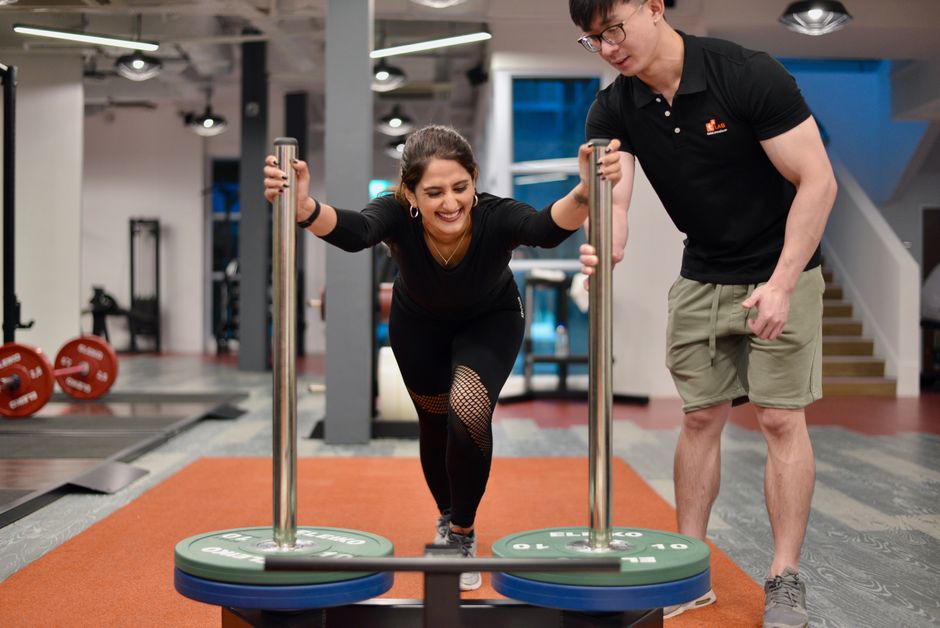
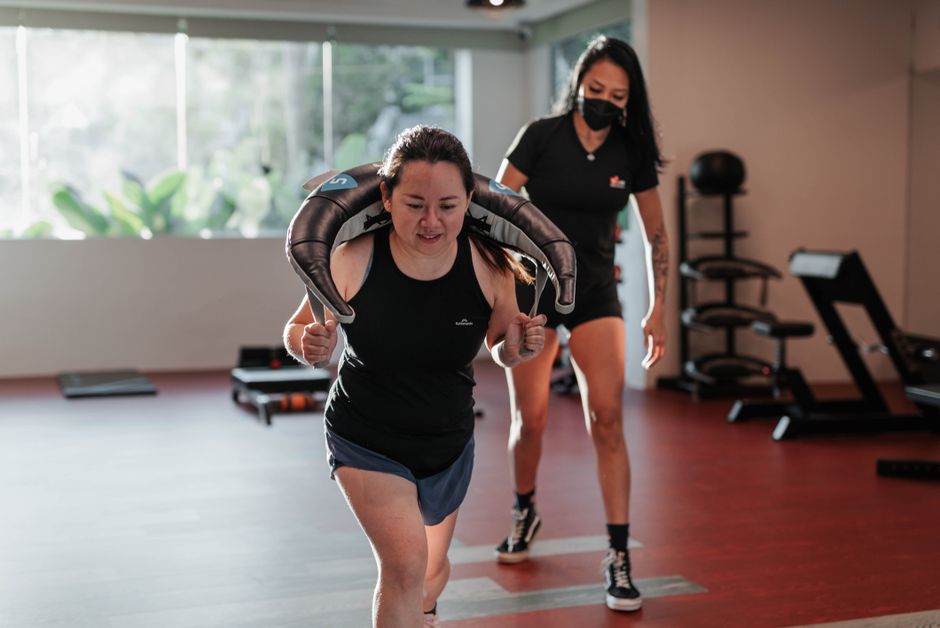
This infrastructure boom carries implications beyond mere convenience. Better-equipped facilities have enabled local athletes to train at higher intensities without overseas gym relocations. The availability of specialist trainers and equipment has also attracted regional fitness events to Singapore, positioning the city as a Southeast Asian hub for training camps and athletic development.
Yet challenges persist. Rental costs remain prohibitively high for smaller operators, and premium gym memberships still price out many working-class Singaporeans. Public facilities like void deck badminton courts and community swimming pools remain crucial, particularly for those unable to afford $3,000-plus annual memberships.
As Singapore's fitness infrastructure continues maturing, the real story isn't just about gleaming equipment and prime locations—it's about how accessible, world-class training facilities are fundamentally shifting what local athletes believe possible.
This article was compiled by AI from the sources linked above and screened before publishing. See our editorial standards.