The numbers tell a compelling story about modern Singapore. According to recent fitness industry surveys, gym membership participation has surged by 23 per cent over the past three years, with over 480,000 active gym-goers across the island—roughly one in seven residents. But it's not just about raw attendance figures. The data reveals something deeper about how Singaporeans, eternally pressed for time and space, are fundamentally rethinking their approach to fitness.
The shift is unmistakable: boutique fitness studios and group classes are now outpacing traditional gym memberships. CrossFit boxes in districts like Tanjong Pagar and Tiong Bahru report waiting lists for popular time slots, while yoga studios in Raffles Place and the CBD regularly hit capacity during lunchtime sessions. This migration from anonymous treadmills to communal, instructor-led workouts suggests that Singaporeans increasingly value accountability and social connection alongside physical gains.
Pricing data reinforces this trend. While basic gym memberships average $60-80 monthly, boutique classes—spinning, pilates, high-intensity interval training—command $25-35 per session, yet participation remains robust. Budget-conscious gym chains in HDB-adjacent areas like Clementi and Bedok still thrive, indicating that accessibility matters, but the premium pricing of group fitness doesn't deter participants seeking structure and community.
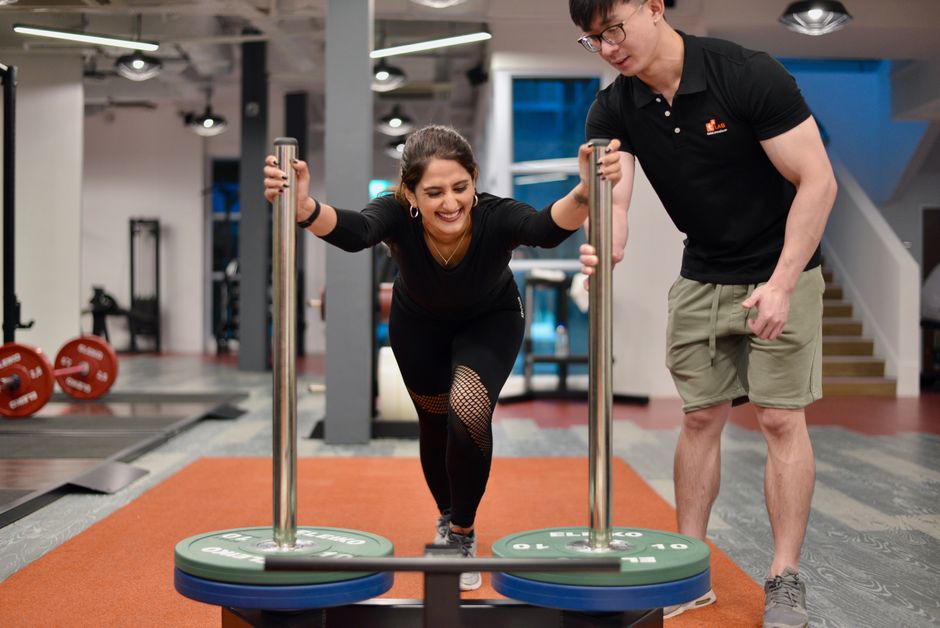
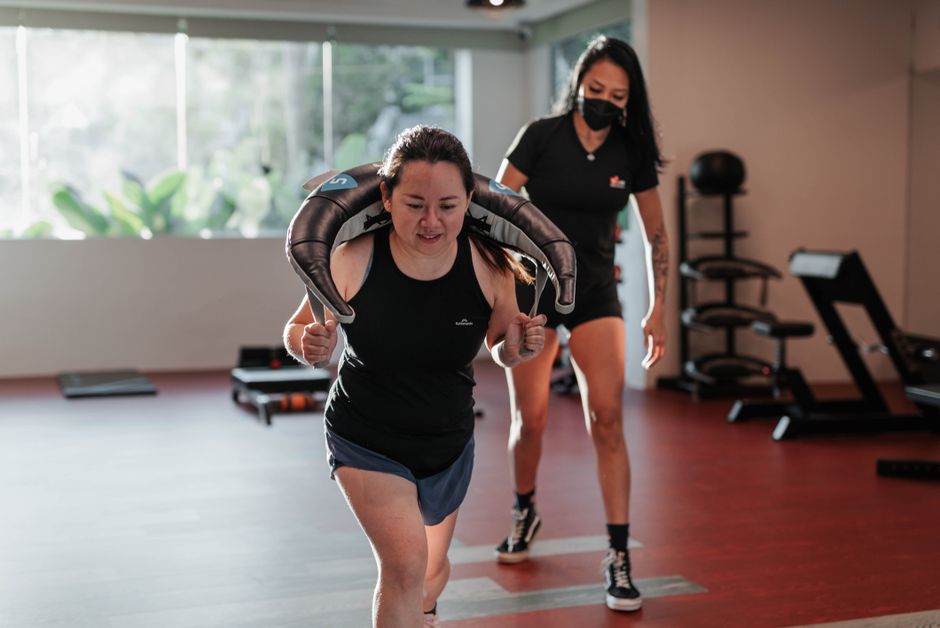
The age breakdown is equally revealing. Contrary to stereotypes of fitness culture skewing young, participation among over-40s has grown fastest, up 31 per cent since 2023. Women now represent 58 per cent of gym participants, a dramatic reversal from a decade ago when male dominance was pronounced. Personal training has become particularly popular among this demographic, with female trainers comprising 42 per cent of the coaching workforce—a significant representation in a traditionally male-dominated field.
Corporate wellness programmes have also shaped participation patterns. Over 60 per cent of large employers in Singapore now subsidise employee gym memberships or on-site fitness facilities, meaning fitness has shifted from personal luxury to workplace expectation. This corporate backing has democratised access, particularly in financial and tech hubs around Marina Bay and one-north.
Perhaps most telling is the rise of data-driven fitness. Wearable adoption among Singapore gym participants exceeds 70 per cent—residents obsessively track metrics, calories, and personal records. This aligns perfectly with Singapore's broader cultural emphasis on measurement, efficiency, and optimisation across every life domain.
The gym boom isn't merely about vanity or health consciousness. It reflects how Singaporeans are investing in community, structure, and measurable self-improvement in an increasingly atomised urban environment. The fitness studio has become a third space—neither home nor office—where people actually interact face-to-face in meaningful ways.
This article was compiled by AI from the sources linked above and screened before publishing. See our editorial standards.