The numbers tell a compelling story. Participation in organised sports across Singapore has climbed steadily over the past three years, with the Singapore Sports Council reporting a 23% increase in registered club members since 2023. But what's driving this shift? A closer look at participation data reveals not just fitness consciousness, but a deeper cultural change in how Singaporeans spend their leisure time and build community.
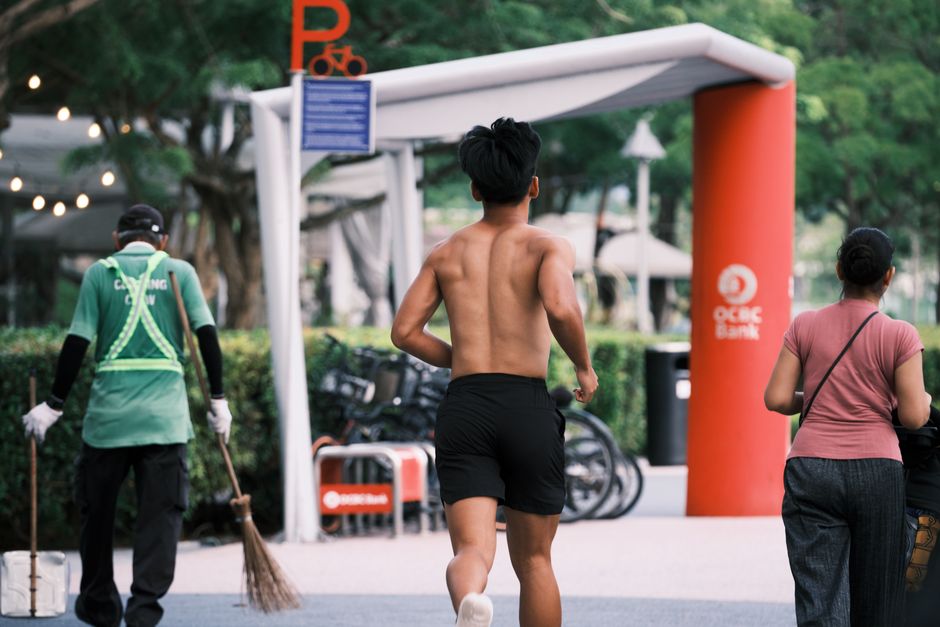
Swimming remains the island's most popular organised activity, with over 85,000 registered participants using facilities from Clementi to Bedok. Yet the real growth story lies elsewhere. Running clubs have exploded in membership, particularly in the East Coast and Punggol regions, where parkrun events now attract crowds of 400-plus every Saturday morning. The Marina Bay precinct has become a hub for this movement, with Barracks Road and the Bay Run circuit serving as unofficial headquarters for Singapore's increasingly visible running culture.
Cycling participation has similarly surged, jumping 31% since 2023. The opening of the Coast-to-Coast Trail and expanded cycling infrastructure along Tampines and Bedok has coincided with a boom in club memberships, particularly among young professionals aged 25-40. Entry fees for recreational cycling clubs now range from $30 to $80 monthly, reflecting growing demand for structured training and community.
Badminton and table tennis remain community stalwarts, with courts in Jurong East and Tampines consistently booked weeks in advance. Yet participation data suggests younger demographics are diversifying their interests—pickleball facilities have tripled in number since 2024, with demand outpacing supply at venues across Orchard and the Central Business District.
Perhaps most revealing is the gender breakdown. Female participation in team sports has grown 38% over the same period, with women's football leagues and basketball programmes now drawing crowds previously unimaginable. The Kallang area, long Singapore's sporting heartland, has become genuinely inclusive rather than male-dominated.
What does this tell us? Singaporeans are moving beyond solitary gym memberships. The data suggests a hunger for structured community, accountability, and belonging—something no fitness app can replicate. With costs ranging from $20-$100 monthly for club participation, recreational sport remains accessible across income levels.
The fitness culture emerging across our island isn't about Instagram aesthetics. It's about neighbours running together at dawn, weekend cyclists exploring new routes, and communities gathering on badminton courts. The participation numbers are simply quantifying what's become increasingly visible: sport, at the grassroots level, has become how Singaporeans now connect.
This article was compiled by AI from the sources linked above and screened before publishing. See our editorial standards.