Sport
Stadium Showdown: How Singapore's Venues Gear Up for a Finals-Heavy Second Half
From the National Stadium to Indoor Stadium, Lion City hosts back-to-back championship moments that will test infrastructure and ignite fan fever.
3 min read
Sport
From the National Stadium to Indoor Stadium, Lion City hosts back-to-back championship moments that will test infrastructure and ignite fan fever.
3 min read
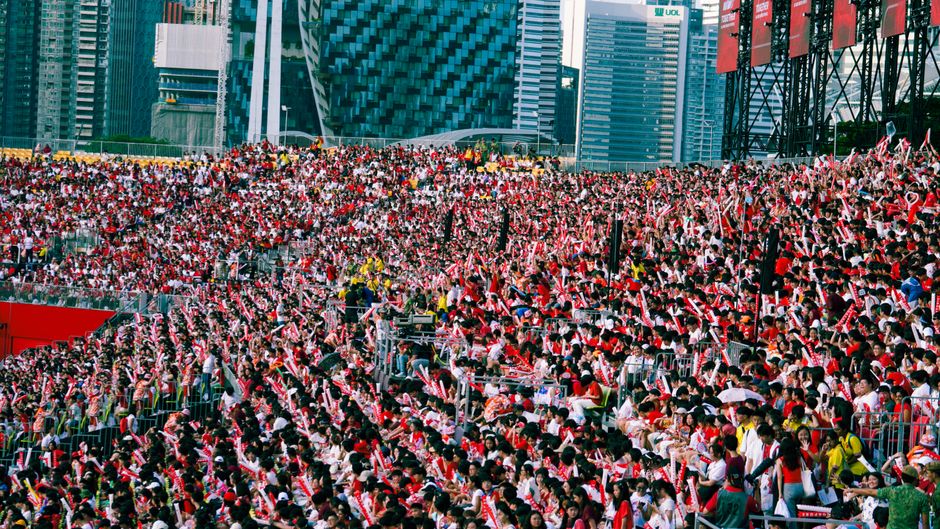
As the calendar flips into the second half of 2026, Singapore's sporting infrastructure is bracing for what promises to be a finals-intensive season. With multiple tournaments reaching crescendo across the island, venue managers and organisers are locked in meticulous planning to ensure the city-state's world-class stadiums deliver seamlessly when it matters most.
The National Stadium in Marina South remains the centrepiece of this ambitious schedule. Freshly upgraded following its 2023 renovation, the 55,000-capacity arena will host multiple championship deciders across football, athletics, and rugby sevens. Stadium authorities have confirmed enhanced crowd management systems and expanded food and beverage facilities to handle the anticipated surge in attendance during finals weeks. Ticket prices for key matches have been set between SGD 28 and SGD 188, reflecting tiered seating allocations across the venue's northern and southern stands.
Meanwhile, the Singapore Indoor Stadium on Kallang Avenue pivots toward badminton and volleyball supremacy. The venue's 3,000-seat configuration makes it ideal for intimate yet electric finals atmospheres. Tournament organisers report that preliminary rounds are filling to 70 per cent capacity, signalling strong fan engagement heading into knockout stages. Air-conditioning specifications have been stress-tested to manage the heat generated by both athletes and spectators during peak afternoon sessions.
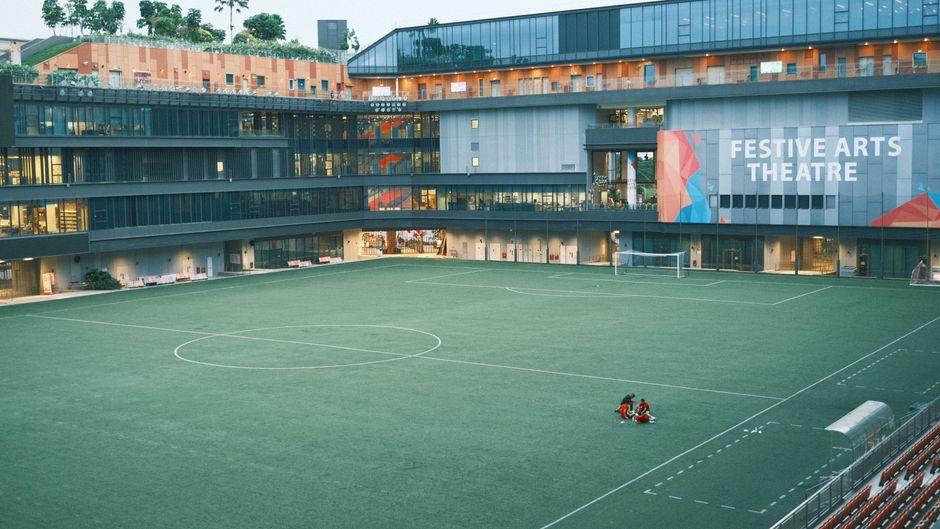
Smaller but equally critical venues are stepping into the spotlight. The Bishan Stadium, nestled in the heartland, will host football league finals, while Sentosa's Grandstand continues to attract motorsport and cycling championships. These distributed venues reduce congestion on the island's transport network and extend the sporting experience beyond the city centre.
Infrastructure resilience remains paramount. The Land Transport Authority has coordinated with stadiums to ensure MRT peak-hour capacity on the Circle, Downtown, and East-West Lines aligns with fixture schedules. Parking allocations at venues like the National Stadium have been expanded by 15 per cent through temporary arrangements with nearby commercial precincts in the Marina area.
Sport Singapore and the various national sporting associations have also ramped up volunteer recruitment, targeting 2,500 personnel across all venues for finals period. Training modules emphasise crowd safety protocols—a lesson learned from previous high-attendance events.
The convergence of finals schedules across July and August will test Singapore's reputation as a sporting metropolis. With television rights generating significant revenue and international broadcasters transmitting live feeds globally, the pressure on venue performance is more acute than ever. Stadium operators, however, appear confident. Their venues have hosted World Cups, Asian Games, and continental championships. A finals-heavy season is precisely what these facilities were designed to showcase.
This article was compiled by AI from the sources linked above and screened before publishing. See our editorial standards.
Sport
Sport
Sport
Sport
About this article
Published by The Daily Singapore
Spread the word
Daily brief
Free, in your inbox before 7am. Weekdays.
The Daily Network — local news across Australia