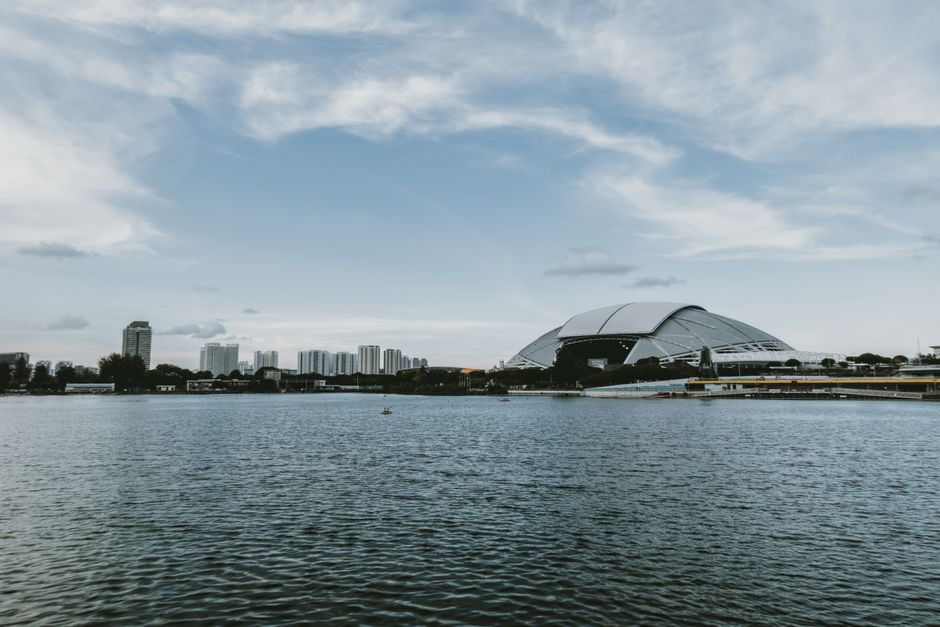
On a Saturday morning at the Kallang Basin, dozens of swimmers glide through the water in near-perfect synchronisation. What might look like a casual training session is, in fact, the lifeblood of Singapore's thriving water sports community—a network of clubs that have grown exponentially over the past three years, transforming recreational swimming from solitary lap sessions into a vibrant social fabric.
The Singapore Swimming Association reports that membership across affiliated clubs has surged by approximately 28 per cent since 2023, with particular growth among community-based organisations operating from neighbourhood facilities. East Coast Park Swimming Club, established in the 1970s but reinvigorated by younger committee members, now counts over 500 active members. Their Tuesday and Thursday evening sessions regularly attract families from Marine Parade, Bedok, and surrounding estates, turning what was once a niche pursuit into a multigenerational activity.
"What's changed is accessibility and community focus," says one long-time participant. Club membership fees typically range from $50 to $150 monthly, significantly lower than private coaching rates, while many clubs offer subsidised rates for students and seniors. The Bukit Merah Swimming Club, operating from facilities near Commonwealth Avenue, has introduced weekend family sessions that combine training with social activities—barbecues, skill clinics, and inter-club competitions.
Water polo and dragon boat racing clubs have similarly flourished. The Singapore Dragon Boat Association now coordinates 35 registered teams, up from 18 in 2020, with several based out of Sentosa and Marina Bay facilities. These clubs have become particularly adept at leveraging community centres and public spaces, transforming underutilised waterfront areas into hubs of activity.
The success reflects broader shifts in how Singaporeans engage with fitness and leisure. Post-pandemic, residents sought outdoor, group-based activities that felt safe and inclusive. Water sports clubs met that demand by operating beyond traditional competitive frameworks, offering casual swim mornings, triathlon training groups, and adaptive programmes for differently-abled athletes.
Event sponsorships and partnerships with municipal councils have also bolstered growth. The Ang Mo Kio Swimming Club's partnership with the constituency development fund has enabled facility upgrades and expanded coaching capacity, while the annual Inter-Club Relay Championship at Toa Payoh Swimming Complex now draws spectators and participants from across Singapore.
As these clubs continue expanding their reach into Woodlands, Jurong, and Punggol estates, they're proving that water sports thrive not through elite exclusivity, but through genuine community rootedness—one swimming lane at a time.
This article was compiled by AI from the sources linked above and screened before publishing. See our editorial standards.