Singapore's sporting ambitions rest on more than just athlete talent—they depend on infrastructure that rivals global standards. As the city-state continues to punch above its weight on the international stage, the facilities underpinning this success tell a compelling story of strategic investment and forward planning.
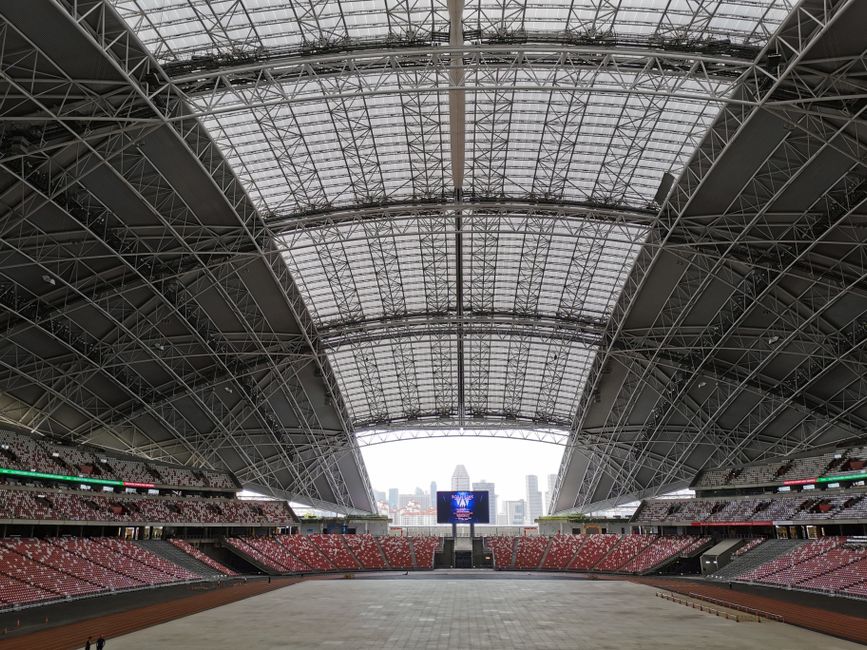
The National Stadium at the Marina Bay precinct remains the jewel in Singapore's sporting crown. With a capacity of 55,000 and hosting everything from athletics to rugby sevens, the venue has undergone significant upgrades in recent years to meet FIFA standards and attract marquee events. Its proximity to the city centre makes it accessible via MRT, drawing crowds that support local sporting culture. Nearby, the Singapore Sports Hub cluster—spanning 35 hectares across Marina Bay, Kallang, and Geylang—houses specialised facilities including the OCBC Aquatic Centre, which boasts Olympic-standard pools and has trained generations of swimmers.
Beyond these flagship venues, Singapore's distributed approach to sports infrastructure proves equally important. The ActiveSG network operates 28 community clubs across constituencies, providing affordable access to facilities from basketball courts in Clementi to swimming pools in Jurong. Monthly membership costs under $20, democratising access to quality training spaces. This grassroots focus complements elite facilities like the Changi Boxing Centre and various table tennis academies that develop talent systematically.
The Island-wide Active Mobility Master Plan has also transformed how Singaporeans train, with cycling paths now connecting Punggol to Pasir Ris, and the Park Connector Network expanding to 360 kilometres. These aren't merely recreational amenities—they're infrastructure that supports serious athletes while encouraging community participation.
Tennis facilities have expanded notably, with courts at venues like the Kallang Tennis Centre offering both recreational and competitive standards. Similarly, the Singapore Badminton Association's training centre in Bishan provides world-class coaching infrastructure that has supported players competing internationally.
However, challenges remain. Land constraints inherent to a city-state mean facilities must serve multiple purposes, sometimes limiting their specialisation. Yet this constraint has spurred innovation—multipurpose venues and shared training schedules maximise utility while maintaining competitive standards.
Government commitment through Sport Singapore's annual budget allocation demonstrates sustained intent. The 2026 outlook includes further enhancements to existing venues and expanded community spaces, acknowledging that championship-calibre athletes emerge from robust foundational infrastructure.
As regional and global competition intensifies, Singapore's continued investment in sporting venues and facilities represents recognition that elite performance emerges from excellent infrastructure. The question isn't whether these facilities exist—it's whether Singapore can continue expanding them to meet evolving demands in an increasingly crowded sporting landscape.
This article was compiled by AI from the sources linked above and screened before publishing. See our editorial standards.