On any weeknight, the badminton courts at Jurong East Community Club hum with activity. Players of all ages shuttle across the nets, their banter echoing through the hall. This is where Singapore's true sporting heartbeat lies—not in glittering stadiums, but in the unglamorous, essential work of grassroots clubs keeping communities connected through sport.
The amateur sport movement in Singapore has grown substantially over the past decade. The Sport Singapore registry now lists over 800 registered sports clubs, with participation in recreational leagues jumping from approximately 45,000 members in 2015 to nearly 180,000 today. Yet this explosive growth remains largely invisible to mainstream sports media, overshadowed by professional franchises and national team coverage.
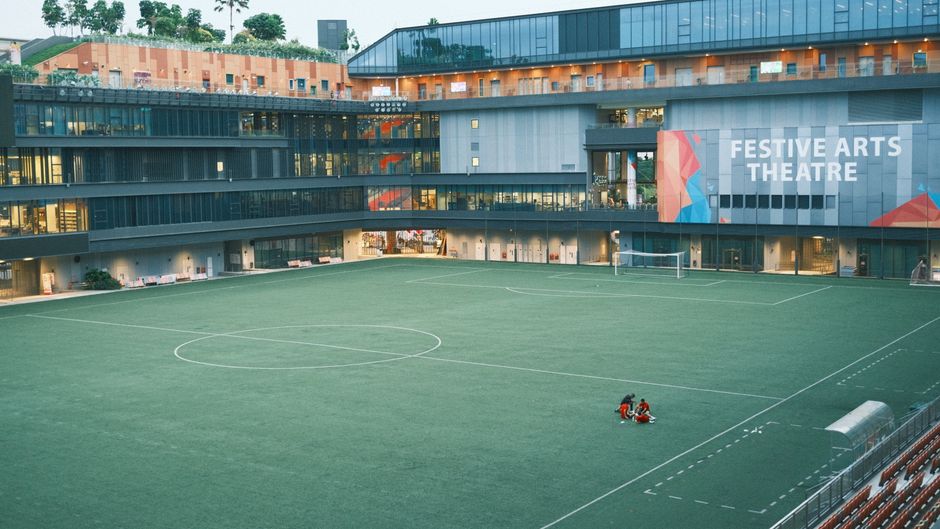
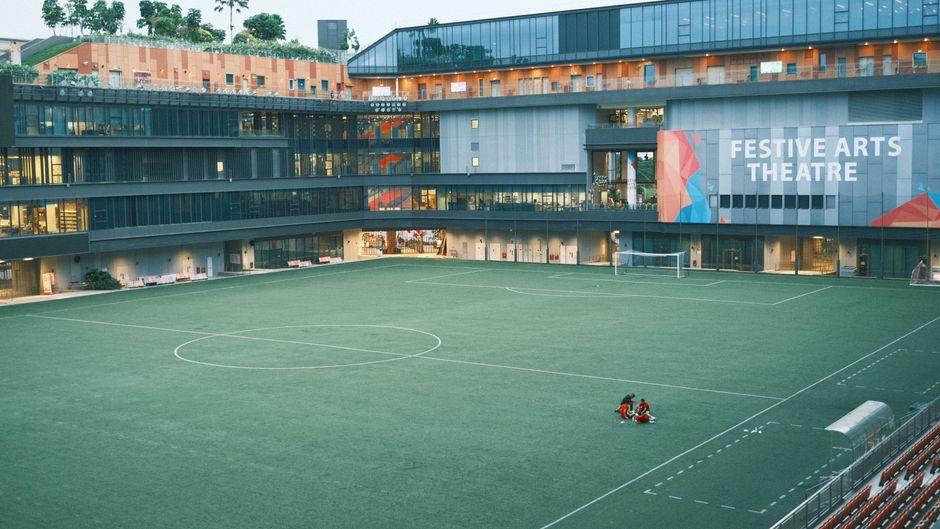
Walk through Tanjong Pagar or Clementi on a Saturday morning, and you'll find futsal courts packed with weekend warriors competing in neighbourhood football leagues. The East Coast Residents' Sports Club, formed in 2008, now coordinates matches for seven different sports, from volleyball to table tennis, drawing members from Katong to Bedok. Registration fees typically range from $30 to $80 annually—deliberately kept low to ensure accessibility.
What drives this movement? Partly, it's pragmatism. With HDB flats stacked densely across the island, community clubs offer structured spaces where neighbours become teammates. The Bukit Merah Sports Club's mixed basketball league, launched in 2019, now has 24 teams competing weekly. Many players cite the friendships formed as equally important as the fitness gains.
The infrastructure matters too. ActiveSG, the government's sports participation arm, operates 29 community centres across Singapore, providing affordable court access and equipment. A monthly membership costs just $13, democratising access that might otherwise be gatekept by expensive private facilities. This investment has cascading effects: junior programmes feed into adult leagues, which spawn tournament circuits and inter-district competitions.
But the real engine is voluntary. Countless unpaid coordinators manage schedules, organise tournaments, and manage WhatsApp groups that buzz with late-night strategy discussions. The Ang Mo Kio Table Tennis Club, entirely volunteer-run for 15 years, recently expanded to 340 members through sheer word-of-mouth.
As Singapore grapples with isolation and sedentary lifestyles, these grassroots movements offer something increasingly precious: genuine community. They prove that not every sporting story requires professional contracts or media spotlights. Sometimes, the most meaningful victories happen on a Wednesday evening at a neighbourhood court, where a regular player finally beats their rival of three years, and the entire league celebrates like they've won the World Cup.
This article was compiled by AI from the sources linked above and screened before publishing. See our editorial standards.