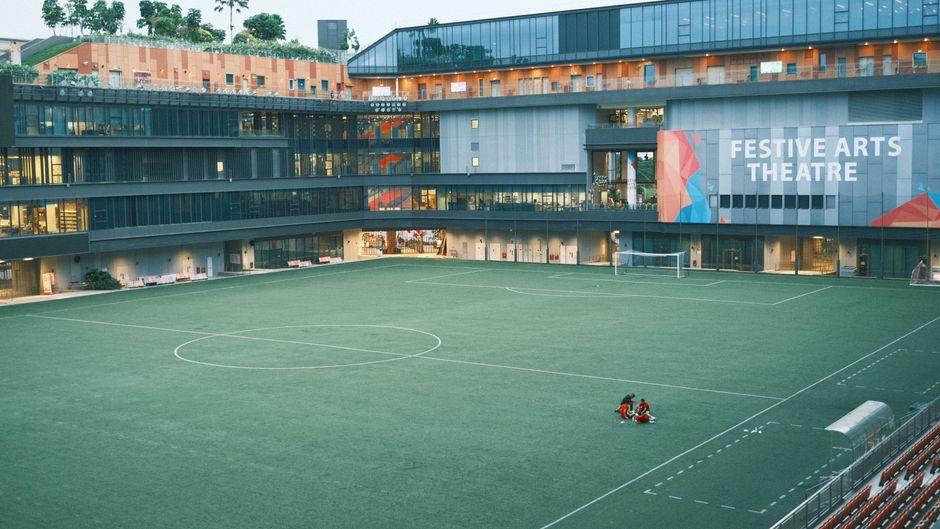
Walk past the Singapore National Stadium in Kallang on any weekday evening, and you'll spot something encouraging: clusters of football enthusiasts—not waiting for international matches, but gathering for community league training. This quiet revolution at Singapore's sporting heartland reflects a broader trend reshaping how our city's venues serve local clubs and neighbourhoods.
The National Stadium, alongside Clementi Sports Complex and Toa Payoh Sports Centre, has become crucial infrastructure for grassroots development. Club membership across these venues has surged by approximately 18% over the past two years, according to Sport Singapore's latest participation data. For clubs like Tampines Rovers' community arm, which operates training sessions at Clementi, the expanded access to quality pitches has transformed their outreach capabilities. Their grassroots programme now reaches over 2,000 young athletes across eastern Singapore.
What's driving this growth? Venue accessibility combined with strategic pricing. Many neighbourhood clubs now offer membership packages starting at $25 monthly—significantly lower than private alternatives—while securing regular slots at public facilities. Geylang United, operating primarily from Geylang East Sports Centre, has leveraged this model to build a base exceeding 1,500 active members, drawing heavily from the surrounding Geylang Bahru and Joo Chiat areas.
The community impact extends beyond the pitch. These clubs function as social anchors, particularly in older HDB neighbourhoods. Toa Payoh Sports Centre, situated in a densely populated residential zone, now hosts seven resident-run football clubs, three badminton associations, and two table tennis groups. The venue's renovation in 2023 included dedicated community spaces—exactly what local organisers requested.
"Venues like these aren't just infrastructure; they're gathering points," explains the management perspective at Sport Singapore facilities. The data supports this: clubs operating from these centres report stronger volunteer networks and higher event attendance than those without permanent bases. Resident participation in organised activities has increased district-wide.
However, challenges remain. Peak-hour court availability remains constrained, with demand still outpacing supply during 6pm-9pm slots. Some clubs report waiting lists extending months for preferred timings. Yet the trajectory is clear: Singapore's major sporting venues are transitioning from occasional-use match arenas into thriving community ecosystems.
As summer approaches, expect these venues to pulse even more vibrantly—proof that Singapore's sporting future isn't solely about hosting international events, but nurturing the grassroots communities that sustain our sports culture year-round.
This article was compiled by AI from the sources linked above and screened before publishing. See our editorial standards.