Singapore's fitness infrastructure has undergone a remarkable transformation over the past five years, with boutique gyms, flagship training centres, and modernised community facilities now anchoring a wellness revolution across the island. The shift reflects both rising health consciousness among locals and significant investment in sports amenities that rival global standards.
The centralised sports hubs remain dominant anchors. The ActiveSG network, operated by Sport Singapore, manages 29 community centres across neighbourhoods from Jurong East to Tampines, offering gym memberships from as low as S$60 monthly—a price point that has democratised fitness access. Meanwhile, premium operators have carved out territory in high-traffic zones. The Marina Bay area now hosts multiple high-end facilities catering to corporate clientele, with monthly memberships ranging from S$250 to S$400, featuring cutting-edge recovery technology and specialised training zones.
What distinguishes Singapore's current landscape is infrastructure diversity. The Tanjong Pagar neighbourhood has emerged as an unlikely fitness destination, with independent strength-training gyms clustered along Duxton Hill and nearby streets, attracting serious athletes and CrossFit enthusiasts. Simultaneously, traditional hawker-adjacent areas like Joo Chiat have welcomed wellness boutiques offering yoga, pilates, and functional training—bridging the gap between casual fitness and competitive training culture.
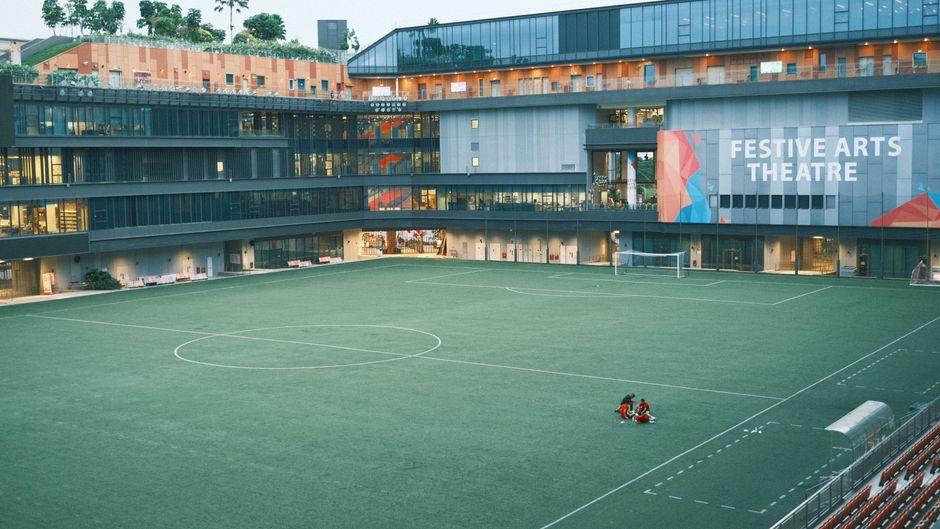
The Sports Hub in Kallang represents the gold standard for integrated infrastructure. Beyond football and aquatics, its gym facilities and sports science centre support elite athletes while remaining accessible to the general public. Nearby, the Geylang sporting complex has been progressively upgraded with enhanced cardio zones and expanded strength-training areas, reflecting consistent government investment in decentralised facilities.
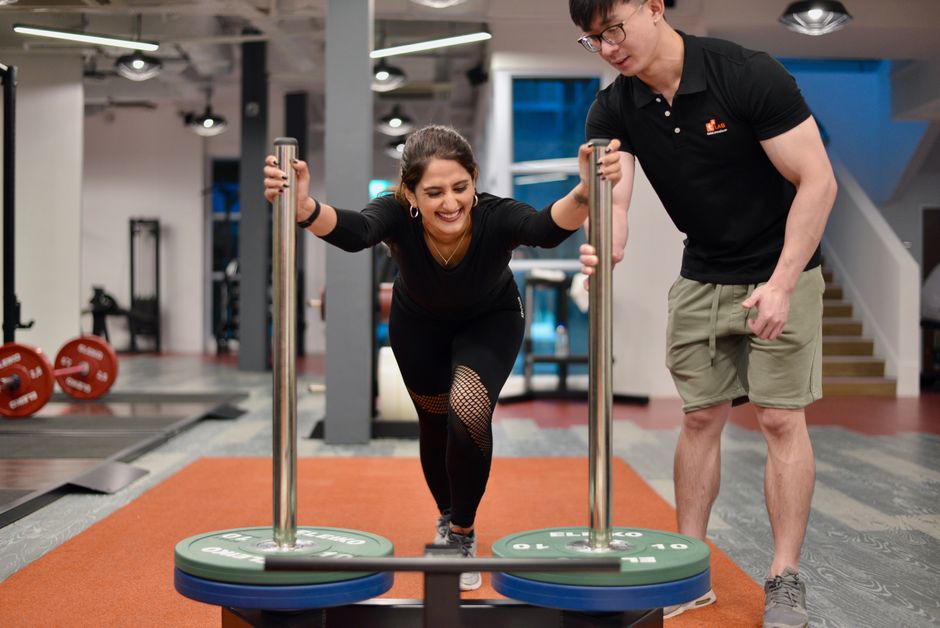
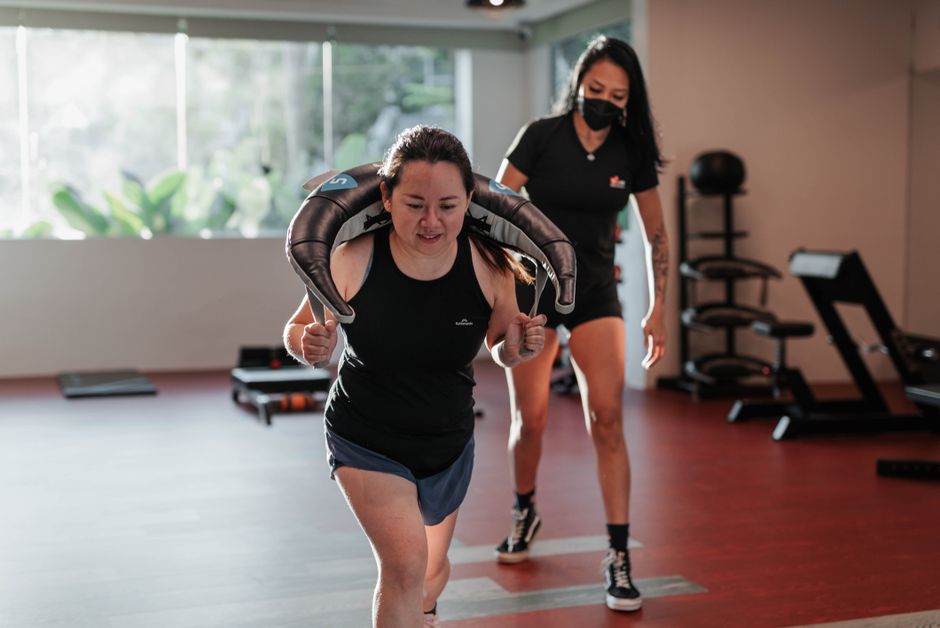
Corporate partnerships have accelerated development. Several multinational companies based in the CBD now offer employees subsidised gym memberships or on-site fitness facilities, reducing infrastructure strain on public venues during peak hours. This corporate engagement has indirectly spurred demand for boutique training concepts—personal training studios and specialised conditioning facilities have proliferated in districts like Bukit Merah and Novena.
Industry observers note that Singapore's tropical climate and dense urban planning have shaped facility design. Air-conditioned gyms with high-capacity ventilation systems are standard, not luxury. Recovery amenities—ice baths, saunas, massage chairs—increasingly feature in premium facilities, responding to growing athlete awareness of post-training protocols.
As participation rates climb and international sporting events draw closer, Singapore's commitment to upgrading fitness infrastructure continues. The result is a competitive ecosystem where neighbourhood convenience meets elite-level facilities, supporting everything from casual wellness to competitive sport preparation.
This article was compiled by AI from the sources linked above and screened before publishing. See our editorial standards.