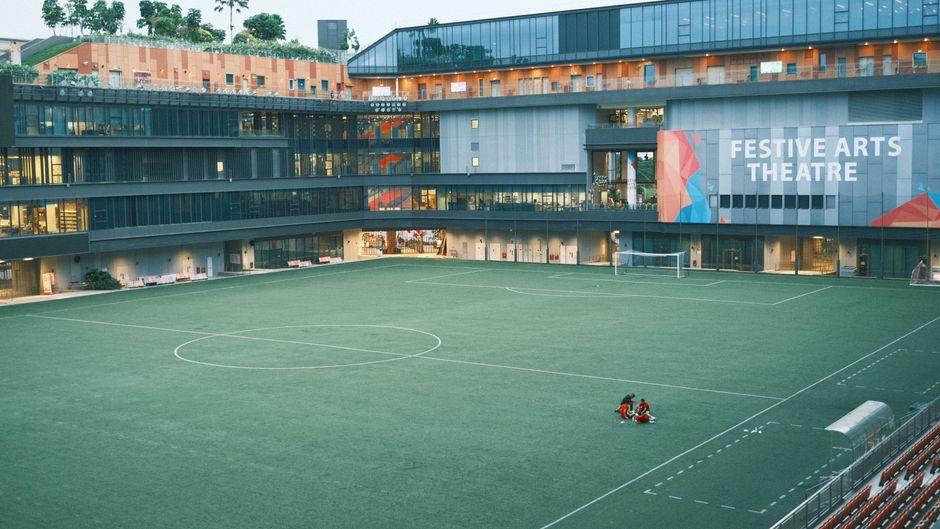
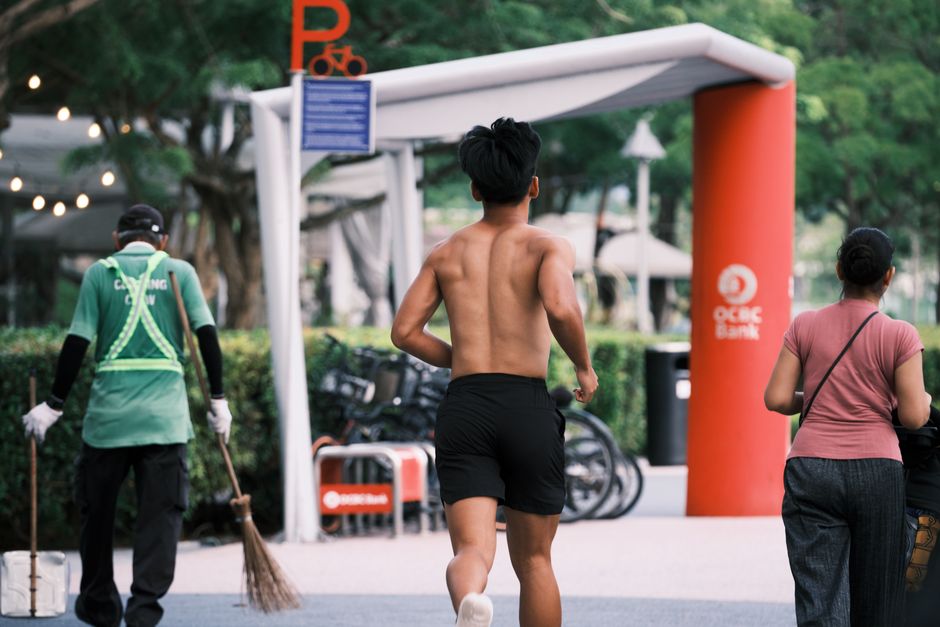
Walk past the football pitches in Bedok Stadium on a Saturday evening and you'll witness a quiet revolution taking place. Teams aren't just competing for three points—they're building something deeper, something that extends far beyond the white lines.
Singapore's local football clubs have emerged as unexpected champions of community cohesion at a time when urban life increasingly fragments neighbourhoods. From Geylang to Clementi, from Bukit Batok to Tampines, modest clubs are becoming the social fabric that binds residents together, particularly in HDB heartlands where many Singaporeans live.
The numbers tell a compelling story. The Singapore National Football League currently comprises 12 professional and semi-professional clubs, but beneath that pyramid lies a thriving network of over 200 registered grassroots and amateur clubs. Many operate with minimal corporate backing, sustained instead by passionate volunteers and tight-knit supporter bases who pay nominal membership fees—often under $50 annually—to participate.
"These clubs aren't built on glamour," explains the coordinator of a Clementi-based community team. "They're built on consistency, accessibility, and genuine care for the people in the neighbourhood." Such clubs now offer more than just matches. Training programmes for youth cost $10-20 per session, making professional coaching affordable for families in HDB estates. Weekend fixtures attract extended families, elderly residents, and young children, transforming venues like Kallang Park and Bukit Batok Town Park into genuine gathering spaces.
The impact extends to mental health and social integration. In an increasingly digital city, these clubs provide face-to-face connection across age groups and ethnic backgrounds. Several neighbourhood teams now run mentorship programmes, linking youth players with older community members, creating intergenerational bonds that city planners struggle to architect through policy.
Corporate Singapore has begun noticing this potential. More multinational companies based in Marina Bay and along Shenton Way are sponsoring local clubs, recognising the community goodwill and employee engagement such partnerships generate. Yet the most sustainable clubs remain those rooted in genuine neighbourhood passion rather than commercial interest.
As Singapore's football development increasingly focuses on elite pathways and professional aspirations, these grassroots clubs perform a different but equally vital function. They remind us that sport's greatest value sometimes lies not in trophies or televised glory, but in the simple act of bringing neighbours together on a Tuesday evening under the island's floodlights, united by a round ball and shared community purpose.
This article was compiled by AI from the sources linked above and screened before publishing. See our editorial standards.