When Bukit Merah Dragons claimed their second consecutive Singapore Ultimate Frisbee League championship last weekend at Kallang Field, it marked more than a trophy win—it signalled the arrival of a competitive force reshaping how amateur athletes approach team sport in the city-state's recreational ranks.
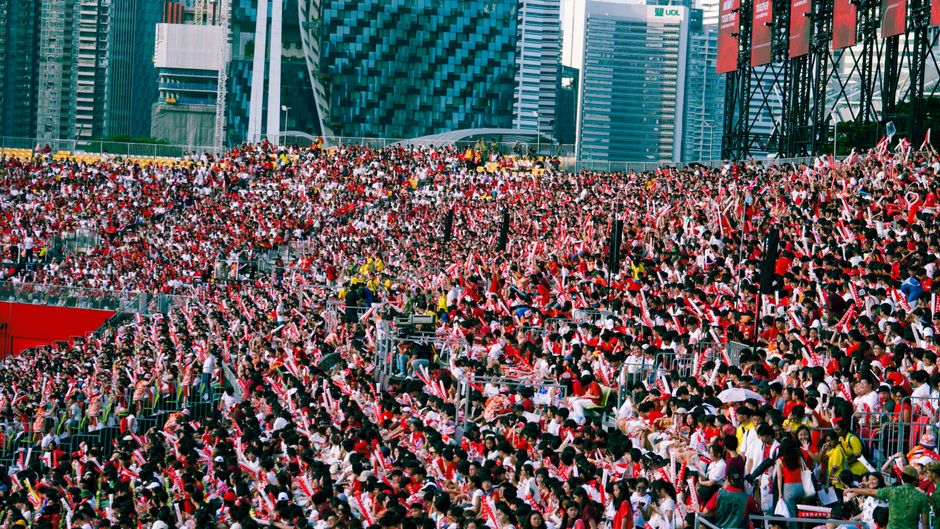
The Dragons' 15-13 victory over defending champions Marina Bay Mavericks in a thrilling final drew an estimated 300 spectators, nearly triple the attendance figures from five years ago. The result underscores growing momentum in Singapore's amateur ultimate frisbee circuit, where participation has swelled from 12 registered teams in 2022 to 28 clubs competing across three divisions this season.
Based primarily in the Bukit Merah constituency, the Dragons comprise 22 active players aged between 22 and 41, most juggling careers in finance, tech and education with their weekly training commitments at Bukit Merah Sports Centre. Club membership fees run at $180 annually per player, with additional levies for tournament entries and kit maintenance. Despite the costs, the squad has maintained a waiting list since March.
The club's rise reflects broader trends in Singapore's amateur sports landscape. The Singapore Sports Council reports that participation in non-traditional team sports—including ultimate frisbee, netball leagues, and touch rugby—has grown 34% over the past three years. Amateur league structures increasingly offer competitive pathways for older athletes and career-returners seeking structured competition outside elite professional circuits.
The Dragons' success stems partly from systematic development. The club operates a tiered coaching programme, with certified instructors leading twice-weekly sessions. Training sessions rotate between Bukit Merah Sports Centre and open spaces along the Kallang Basin, accommodating players' schedules across the island.
For recreational sports administrators, the Bukit Merah Dragons exemplify how grassroots clubs can build sustainable competitive cultures. Their model—combining competitive ambition with inclusive membership policies and transparent governance through elected leadership—now attracts interest from other emerging amateur leagues across badminton, basketball and volleyball circuits.
As the Dragons prepare for the regional Southeast Asian Ultimate Championships in Bangkok this October, their trajectory offers an instructive case study: that amateur sport in Singapore thrives not despite its constraints, but through communities building resilient structures around shared passion. For players like those representing Bukit Merah, Thursday evening training sessions represent far more than recreational distraction—they embody the organised competitive spirit increasingly defining Singapore's amateur sports ecosystem.
This article was compiled by AI from the sources linked above and screened before publishing. See our editorial standards.