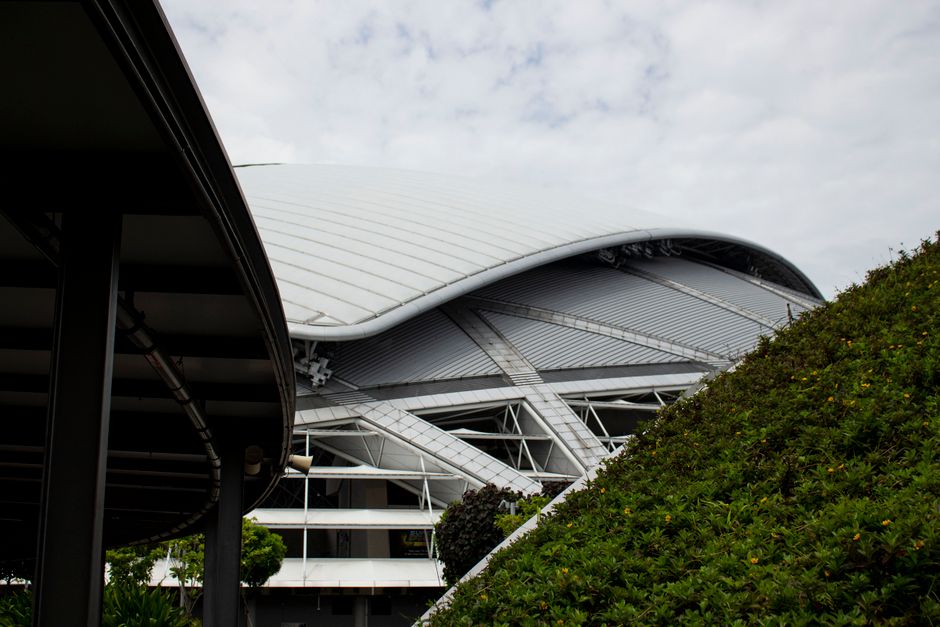
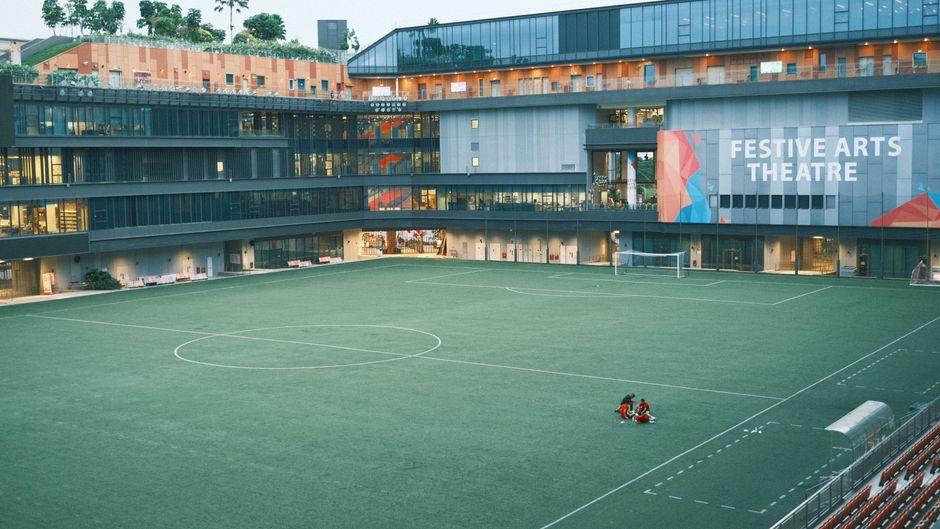
Walk past the National Stadium on Stadium Boulevard on any weeknight, and you'll spot far more than just football fans. Badminton players shuttle across courts in the auxiliary halls, swimmers lap in the adjoining aquatic centre, and young cyclists train on the velodrome track. This multipurpose approach to Singapore's flagship venue reflects a quiet revolution happening across the island's sporting landscape: local clubs and community organisations are leveraging major stadiums and neighbourhood facilities to create inclusive, thriving ecosystems that extend far beyond elite competition.
The transformation is particularly evident in the east. Geylang Serai Sports Complex, long a cornerstone of the Malay-Muslim community, now hosts nearly 40 registered sports clubs ranging from netball to takraw. Community leaders report membership has grown by 23 per cent over the past three years, with evening classes and weekend tournaments drawing families from Geylang, Kampong Glam, and beyond. "The venue isn't just a building—it's become a gathering place," says one local resident who shuttles her two children to weekly classes there.
Similar stories emerge from the western neighbourhoods. At Clementi Sports Complex near Commonwealth Avenue, a modest tennis club that began with eight members in 2019 now boasts over 120 active participants, many drawn from nearby housing estates. The facility's affordable court rental rates—around SGD 18 per hour during off-peak—have democratised access to a sport once perceived as exclusive. The club's junior programme has become a pathway for young talent, with several players now competing at national competitions.
These successes reflect deliberate policy shifts by Sport Singapore and the People's Association. By subsidising community club operations and offering flexible access to public venues, the model ensures that major sporting infrastructure serves dual purposes: hosting elite events while nurturing grassroots participation. Tanjong Rhu Sports Complex, Queenstown Stadium, and the Bishan-Ang Mo Kio Park facilities have all seen similar upticks in community bookings and programme variety.
The ripple effects extend beyond athletics. Local clubs increasingly organise neighbourhood carnivals, coaching clinics for underprivileged youth, and intergenerational tournaments that weave sport into the social fabric. These initiatives address a persistent challenge in dense urban Singapore: building authentic community connections in an era of privatisation and individualisation.
As the 2028 Olympics approach and Singapore continues positioning itself as a global sports hub, these neighbourhood-level successes offer a compelling counterpoint. The island's sporting future may well depend less on what happens on stadium stages, and more on what flourishes in the multipurpose halls, courts, and tracks where ordinary Singaporeans gather to play, train, and belong.
This article was compiled by AI from the sources linked above and screened before publishing. See our editorial standards.