Building Champions From The Ground Up: How Singapore's Sports Facilities Are Shaping The Next Generation
From state-of-the-art regional centres to neighbourhood courts, Singapore's investment in grassroots sports infrastructure is creating pathways for young athletes across the island.
This article was generated by AI from the linked public sources. The Daily Singapore is independently owned and covers Singapore news free from advertiser or sponsor influence. Read our editorial standards →
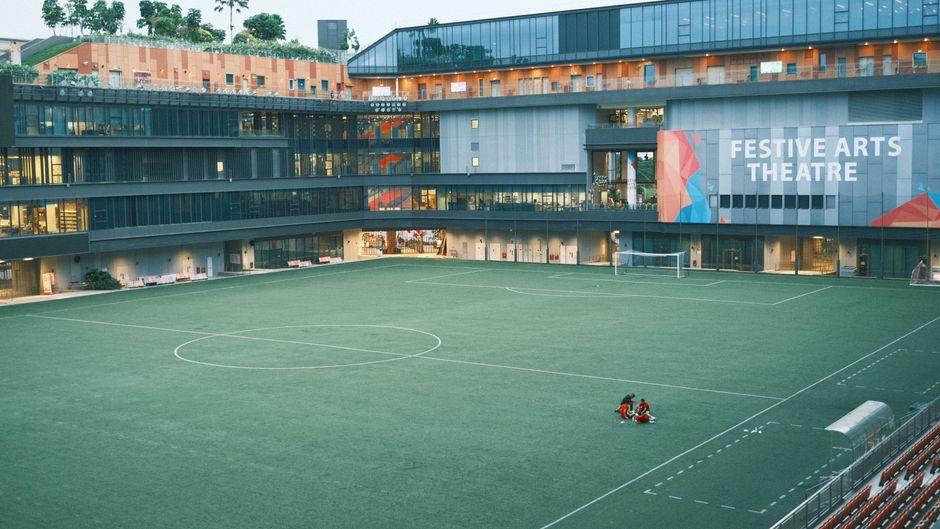
Walking past the gleaming Kallang Basin on a Saturday morning, you'll see courts and pitches alive with activity—young footballers, badminton players, and basketball enthusiasts honing their craft. This scene, repeated across Singapore's neighbourhoods, reflects a deliberate infrastructure strategy that has positioned the nation as a regional leader in youth sports development.
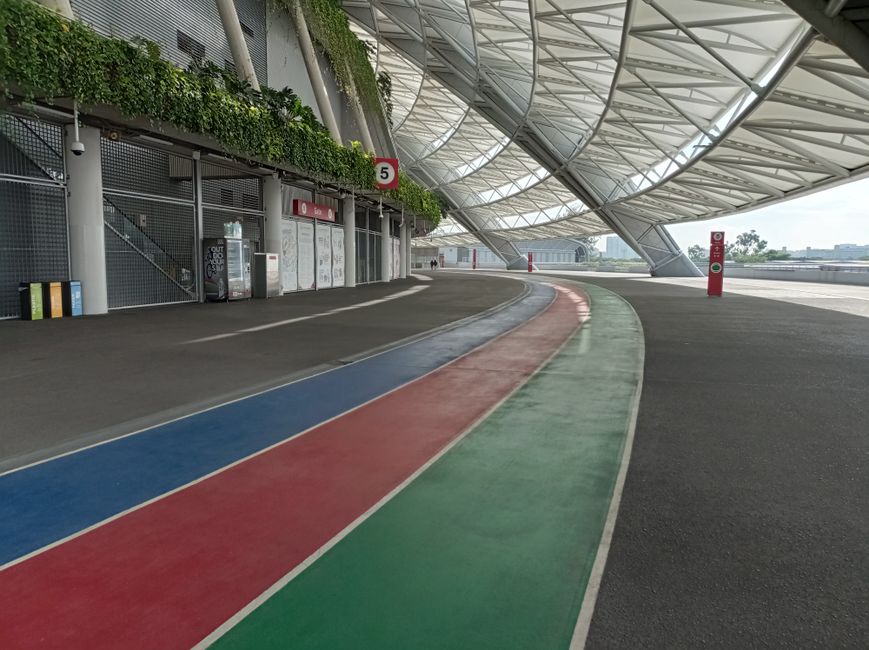
The Singapore Sports Hub in Kallang remains the flagship anchor, housing the 55,000-capacity National Stadium alongside world-class training facilities. But the real story of grassroots development lies in how access has been democratised across the island. Neighbourhoods from Clementi to Tampines now benefit from multi-purpose sports centres equipped with swimming pools, squash courts, and indoor halls—facilities managed by Sport Singapore and available at subsidised rates for junior programmes.
ActiveSG, the nation's community sports initiative, operates 28 centres island-wide, offering structured coaching for children from as young as five years old. Monthly membership fees start from SGD 10.80, making participation accessible across income levels. Facilities at East Coast Park, Bishan, and Bedok now feature dedicated youth zones with equipment scaled for younger athletes, addressing a critical gap identified in the 2023 Sport Singapore participation audit.
The economics are compelling. A typical neighbourhood sports centre in districts like Jurong West or Serangoon requires roughly SGD 15 million in development costs, yet serves 50,000-plus residents within walking distance. This model has proven far more effective than centralised venues alone. Youth enrolment in structured sports programmes increased 23 per cent between 2019 and 2025, according to Sport Singapore data.
Yet challenges persist. Peak-hour congestion at popular facilities like those in the Marina Bay area remains an issue, with some courts fully booked weeks in advance. Several grassroots clubs operating from converted warehouses in areas like Tuas and Jurong Island operate without formal grants, relying on parent contributions and sponsorships to maintain equipment.
Private clubs have also stepped in. Facilities at the Singapore Island Country Club and various neighbourhood badminton associations provide alternative pathways, though at premium rates. The emergence of boutique youth academies in areas like Bukit Timah has created a tiered ecosystem—affordable public options alongside specialised private coaching.
As Singapore positions itself for the 2028 Asian Youth Games, facility expansion continues. New synthetic pitches at Choa Chu Kang and dedicated netball courts at Raffles Institution underscore the commitment. The infrastructure question isn't whether Singapore has facilities—it's ensuring equitable access while maintaining quality standards across all neighbourhoods.
This article was compiled by AI from the sources linked above and screened before publishing. See our editorial standards.
Covering sport in Singapore. This article was generated by AI from the linked sources and was not reviewed by a human editor before publishing. See our editorial standards.