Walk past the converted shophouses along Jalan Besar or the gleaming fitness centres clustered around Raffles Place, and you'll notice something unmistakable: Singapore's gym culture is booming. But beyond the anecdotal evidence of crowded treadmills and packed yoga studios, the data tells a more nuanced story about how Singaporeans are approaching fitness in 2026.
Recent participation surveys suggest that approximately 34 per cent of Singapore's adult population now holds an active gym membership—a figure that has climbed steadily from around 26 per cent five years ago. More tellingly, the composition of that membership base has shifted dramatically. Women now account for 48 per cent of gym-goers, up from 38 per cent a decade ago, signalling a fundamental change in how fitness facilities are being perceived and utilised across gender lines.
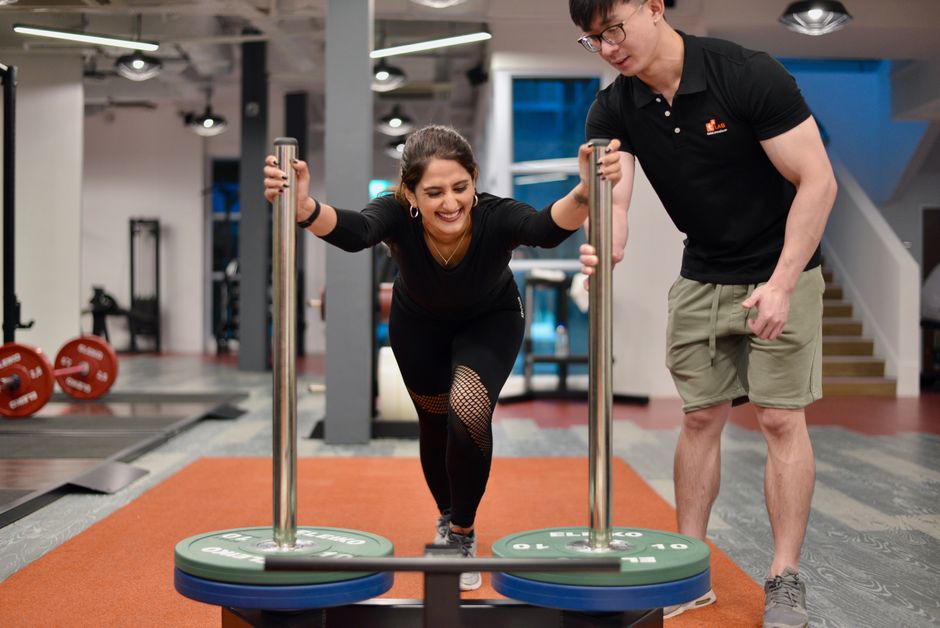
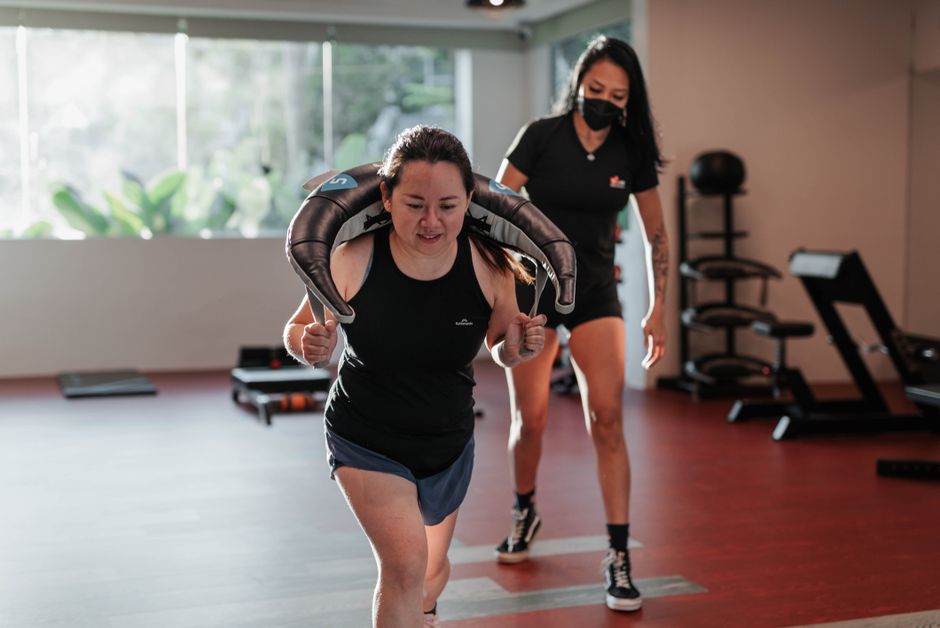
The rise of boutique fitness has been particularly striking. Specialised studios offering everything from high-intensity interval training to Pilates reformer classes have proliferated across East Coast, the CBD, and even emerging fitness hubs like Tiong Bahru. These premium offerings—typically ranging from $25 to $40 per class—suggest Singaporeans are moving beyond traditional cardio-and-weights models towards more targeted, coach-led experiences. The willingness to pay premium rates indicates that fitness has become less a utility and more a lifestyle investment.
Perhaps most revealing is the data around age demographics. Adults aged 25 to 40 represent the largest membership cohort, but the fastest-growing segment is those over 50, growing at nearly 12 per cent annually. This reflects broader health consciousness among older Singaporeans and the increasing variety of low-impact, accessible programmes being offered at established chains operating from Clementi to Bedok.
Corporate wellness programmes have also catalysed broader participation trends. Over 62 per cent of large multinational corporations now offer subsidised gym memberships as an employee benefit, with many providing on-site fitness facilities. This corporate investment has normalised gym attendance as part of work culture, particularly across the financial and tech sectors clustered around Shenton Way.
The data also reveals preferences around peak hours and class types. Evening classes (6 pm to 8 pm) see 40 per cent higher attendance than daytime slots, underscoring the reality of Singapore's demanding work schedules. Meanwhile, group fitness classes now account for 31 per cent of overall participation, significantly up from 18 per cent in 2020, suggesting Singaporeans increasingly value community and accountability in their fitness journeys.
These participation trends matter because they reflect deeper shifts in how Singapore approaches health. Rising gym membership isn't simply about vanity—it's evidence of a population navigating stress, longevity, and wellness with unprecedented intentionality.
This article was compiled by AI from the sources linked above and screened before publishing. See our editorial standards.