As Singapore's sporting calendar builds toward major Southeast Asian Games events later this year, the island's gym and fitness sector is experiencing a marked shift in training intensity and focus. From the sprawling fitness complexes in Marina South to boutique studios dotting the East Coast corridor, trainers and athletes are ramping up programmes specifically designed for finals-level performance.
The trend reflects broader participation patterns across Singapore's 350-plus registered fitness centres. According to industry data, membership sign-ups have increased by approximately 18 per cent since the start of the year, with a notable spike among 25-to-40-year-olds preparing for competitive events. Studios along Orchard Road and in the Tanjong Pagar district report waiting lists for strength-and-conditioning programmes that focus on sport-specific conditioning.
"We're seeing a completely different client profile than we did six months ago," said one East Coast fitness operator. The shift has prompted several established gyms to introduce phase-based training cycles aligned with competition calendars. Monthly membership packages, typically ranging from $80 to $150, now increasingly include periodised strength programmes and sports nutrition consultations.
The transformation is particularly evident in sports like weightlifting, track and field, and badminton, where Singapore fields strong regional competitors. Facilities near the National Stadium precinct in Kallang have expanded their Olympic lifting sections, while high-intensity interval training studios in Marine Parade have restructured class schedules to accommodate athlete cohorts training concurrently.
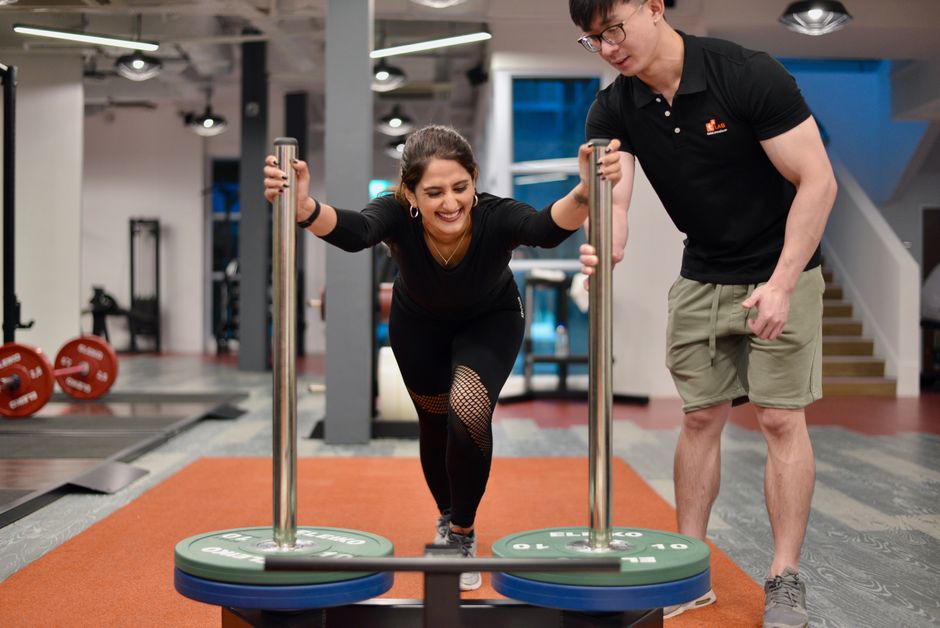
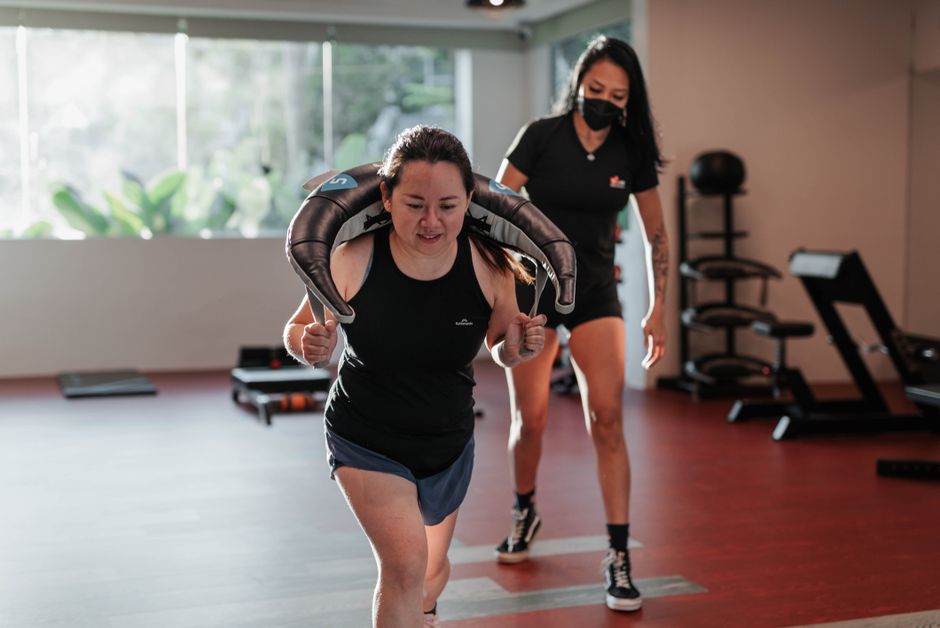
Beyond traditional gyms, boutique fitness has adapted as well. Functional fitness studios across the island—from Tiong Bahru's smaller independent operators to larger chains in Holland Village—have begun offering sport-specific conditioning classes. These typically cost between $25 and $40 per session and target mobility, power development, and injury prevention.
The finals focus has also driven investment in recovery infrastructure. Facilities offering cryotherapy, compression therapy, and sports massage have reported sustained demand, with athletes increasingly viewing recovery as integral to competition readiness. These services, while premium-priced, reflect how seriously the local fitness community is approaching the upcoming regional competitions.
Industry observers note this surge mirrors pre-Games patterns seen in previous years, but with notable intensity. As the SEA Games finals draw closer, expect this momentum to sustain through the remainder of 2026, reshaping how Singapore's fitness ecosystem allocates resources and programming priorities.
This article was compiled by AI from the sources linked above and screened before publishing. See our editorial standards.