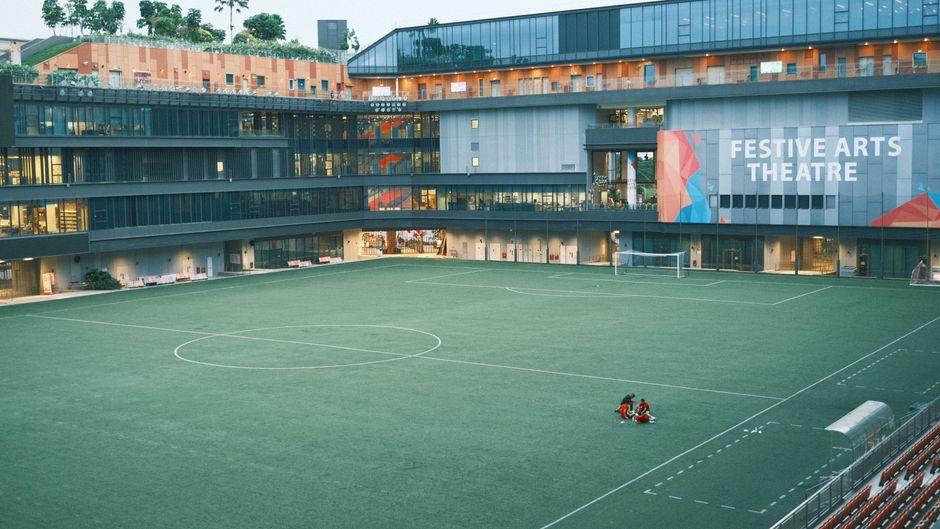
Walk through Bishan Park on a Saturday afternoon and you'll witness a transformation that extends far beyond the pitch. What was once a quiet corner of the sprawling green space has become a vibrant hub where residents of all ages gather not just to watch football, but to forge genuine community bonds.
This scene is playing out across Singapore's neighbourhoods, where local football clubs have evolved from simple recreational outlets into genuine community anchors. The shift reflects a broader renaissance in grassroots football, one that complements rather than competes with professional football in the Singapore Premier League.
Clubs operating from grounds in Clementi, Kallang, and Tampines report membership surges over the past two years. One Clementi-based club saw its participation numbers jump by 40 per cent since 2024, with over 320 registered members spanning junior teams, senior squads, and veterans' divisions. The growth has necessitated expanded training schedules and additional coaching staff—a welcome challenge.
"What's driving this isn't just the desire to play football," explains a spokesperson for the Football Association of Singapore's community engagement programme. "It's about belonging. These clubs have become spaces where working professionals decompress mid-week, where families spend weekends together, and where migrant workers find familiar community."
The economics matter too. Match day participation fees typically range from SGD $5 to $15, making the sport accessible across income levels. Membership packages for juniors cost between $120 to $300 annually—affordable enough to democratise the sport beyond elite academies concentrated in the central business district.
Community initiatives have amplified impact. Several clubs now host free coaching clinics in partnership with grassroots organisations, drawing children from public housing estates in Ang Mo Kio, Hougang, and Bedok. Weekend tournaments organised by neighbourhood clubs attract crowds of 200 to 500 spectators, turning local football into genuine social events rather than niche activities.
The infrastructure has been crucial. Enhanced floodlighting at several public pitches, upgraded facilities at community clubs in Geylang and Jurong, and improved accessibility have removed barriers that once limited participation. These investments signal that football at the neighbourhood level deserves the same attention as elite professional sport.
As Singapore continues its push to become a global sporting city, this grassroots momentum matters profoundly. Local clubs aren't just developing future talent for national teams—they're building the social fabric of their communities, one match at a time.
This article was compiled by AI from the sources linked above and screened before publishing. See our editorial standards.